REVIEW · ALICE SPRINGS
Historical Alice Tour
Book on GetYourGuide →Operated by Emu Run Experience · Bookable on GetYourGuide
Four hours, four outback stories. This tour links the Arrernte meaning of Mparntwe to how Alice Springs grew from a remote hub into today’s town. I especially love the way the visits each answer a different question, from education in the middle of nowhere to communication across the continent, and I also like the big payoff of the ANZAC Hill views at the end.
What you should consider: the tour description says afternoon tea is provided, but one recent booking note said there was no afternoon tea on the day. If that matters to you, I’d confirm before you go or plan for a small extra snack just in case.
This is also an easy-moving day in a comfortable vehicle. The tour is wheelchair accessible, and it welcomes kids aged 2–15 at a child rate, with activities described as safe for all age groups.
In This Review
- Key things to know before you go
- Why Mparntwe matters more than the postcard version of Alice Springs
- Getting from your hotel to the sites: fast, tidy, and well-timed
- School of the Air: learning when the nearest road is far away
- Telegraph Station: Stuart’s messages between Darwin and Adelaide
- Royal Flying Doctor Service: medical care without road access
- ANZAC Hill: the easiest win for first-timers
- Guide energy: the difference between a tour and a story
- Afternoon tea and the day’s pace: what to plan for
- Price and value: is $126 for 4 hours fair?
- Who should book this Historical Alice tour
- Should you book this tour?
- FAQ
- How long is the Historical Alice Tour?
- Where does the tour pick up and drop off?
- What stops are included during the tour?
- Is afternoon tea included?
- Are entry fees included in the price?
- Is the tour suitable for children?
- Is the tour wheelchair accessible?
- What cancellation flexibility do I get?
Key things to know before you go
- Mparntwe is the focus: you’ll learn how the Arrernte name connects to the town’s origins and growth
- School of the Air: education for primary students living on remote Northern Territory properties
- Telegraph Station walk: the first European settlement at Stuart, including the Darwin–Adelaide relay that ran for 150 years
- Royal Flying Doctor Service: how medical care and emergency retrieval work in remote Australia
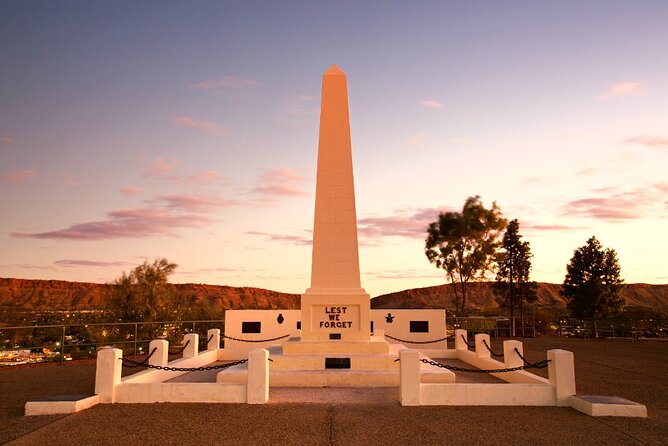
- ANZAC Hill photo stop: standout lookout with the MacDonnell Ranges as a backdrop
Why Mparntwe matters more than the postcard version of Alice Springs
I like when a tour gives you the correct starting point, and this one does. You’re guided through the story of Mparntwe (pronounced m’barn-twa), the Arrernte name for Alice Springs, and how the town later became known as a central hub for the outback.
The key value here is context. Instead of treating Alice Springs like a stopover, you start seeing it as a place that grew because of three practical needs: keeping kids learning far from roads, moving messages when distances were enormous, and getting medical help when emergencies couldn’t wait.
You’ll also hear how the town originally called Stuart evolved over time into what people recognize today. That framing makes every next stop click into place, even when the buildings look simple from the outside.
You can also read our reviews of more historical tours in Alice Springs
Getting from your hotel to the sites: fast, tidy, and well-timed
Logistically, this tour is built for “first-time in town” convenience. Pickup covers a long list of Alice Springs accommodation options, so you’re not hunting for a meeting point, and you’re in air-conditioned transport for the riding time.
Because the schedule is only 4 hours, it moves at a steady pace. That’s good if you want an overview without spending your whole day in transit, but you should know you won’t have hours to linger at each site. Think of it as a guided hit of the big stories, not a slow museum day.
The other small win is that entry fees are included, which removes one more item from your mental checklist. Add afternoon tea to the mix and you’ve got a tour that’s designed to feel complete rather than like you’re just dropped off at a cluster of attractions.
School of the Air: learning when the nearest road is far away
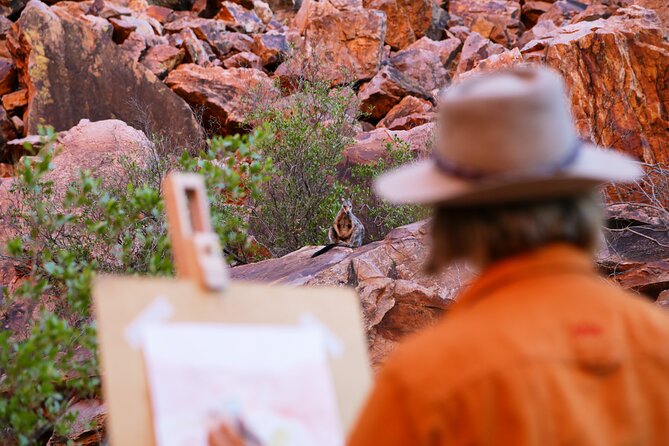
This is one of the stops where the tour earns its “Historical” label without getting dry. At the Alice Springs School of the Air, you’ll see how education supports primary students who live on remote Northern Territory properties.
Why this matters: it’s easy to assume remote areas are cut off in every way. This stop flips that idea. You get a concrete look at how schooling can keep going when families can’t attend a daily classroom the way most of us picture.
The visit also gives you a good sense of the outback scale you’re dealing with. When people talk about distance in central Australia, it can sound abstract. Seeing a program built for distance turns the distance into something real—and suddenly the rest of the tour’s stories (telegraph, emergency flights) make more sense.
One practical consideration: because this is a guided stop within a short day, you may not be able to take your time like you would in a self-guided museum. If you’re the type who reads every sign twice, go in with curiosity first and speed second.
Telegraph Station: Stuart’s messages between Darwin and Adelaide
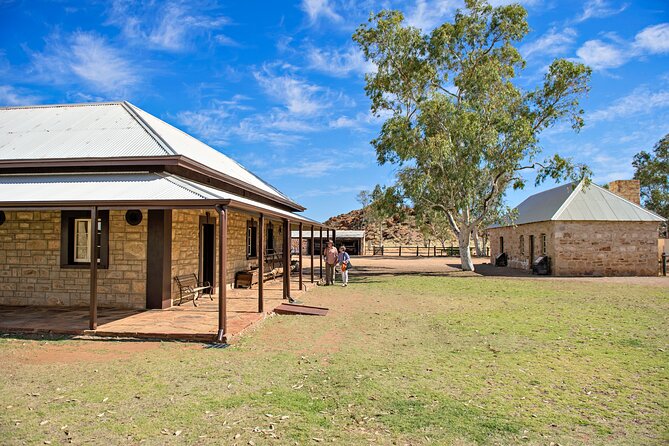
Next up is the Alice Springs Telegraph Station, described as the first European settlement in Alice Springs, originally called Stuart. You’ll also do a walk during the visit, which helps you connect the area to what it was built to do.
The star detail here is the message relay. You’ll learn how the telegraph system relayed messages between Darwin and Adelaide for 150 years. That’s a long run for any technology—and it tells you a lot about what the outback demanded from communication networks.
This stop is valuable because it explains the “why” behind the town’s growth. A central hub didn’t happen by accident. When communication is the lifeline for government, business, and daily survival, the places that support it become important fast.
What to watch for: the station’s story will feel most powerful if you keep thinking in time periods—what it meant before faster communications, and why a remote community would invest in a system like this. Even if you’ve read about telegraphs before, the guided framing helps it land.
Royal Flying Doctor Service: medical care without road access
The Royal Flying Doctor Service stop is where the tour becomes less about history and more about how people live today in remote areas. You’ll visit the RFDS Alice Springs Tourist Facility and learn about how the service delivers medical support and emergency evacuation flights.
For many people, this is the moment the tour shifts from “cool places” to “real-world consequences.” In central Australia, emergencies aren’t solved by a quick drive to a hospital. You’re learning how medical care is coordinated over distance and delivered when time matters.
I also like how the stop ties into the tour’s earlier theme of connectivity. If education and telegraphy are about reaching people, the RFDS shows what happens when you need help immediately and roads aren’t an option.
As for pacing, you’ll be given time to look and ask questions, but again, the tour is only 4 hours total. If you’re especially interested in how emergency services operate, treat this visit as your overview stop and plan extra time on another day if you want to go deeper.


ANZAC Hill: the easiest win for first-timers
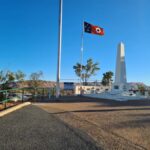
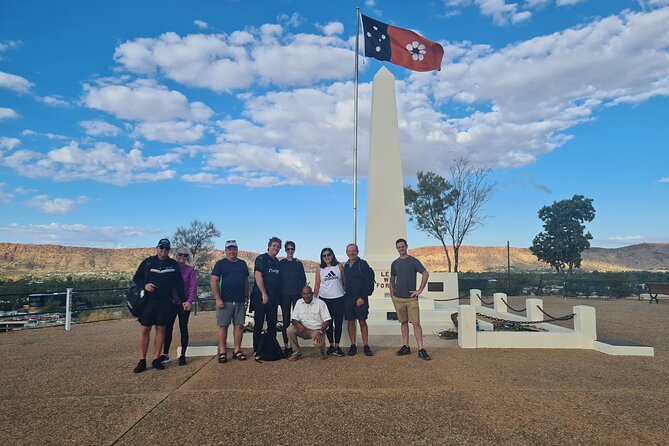
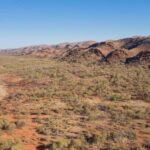
ANZAC Hill is where the tour cashes in the view payoff. You’ll stop here for photos and do a short walk with sightseeing time, with the MacDonnell Ranges as the big backdrop.
I like lookout stops on short tours because they help you get your bearings. Once you’ve seen the town’s setting in relation to the ranges, it’s easier to understand why people built and moved the way they did. You’re not just collecting facts—you’re mapping the stories onto the geography.
This part also tends to be practical for families. The walking is described as safe for all age groups, and you don’t need a high level of fitness or agility to enjoy it.
If you’re going with kids, this is also likely the moment they’ll remember most: quick effort, big results.
Guide energy: the difference between a tour and a story
A tour lives or dies by the guide, and this one often gets praised for exactly that. Names like Johannes and Dave come up in guide feedback, with comments about friendly, welcoming, and story-driven explanations.
Even if you’re not a person who usually thinks tours are worth it, a strong guide makes the stops feel connected rather than separate. They help you see why the School of the Air, the telegraph station, and the RFDS all belong in the same tour arc.
Tip: if you’re the kind of visitor who likes questions, this is a good day to use them. The stops are tied to real systems—education, communications, emergency response—so your questions won’t feel off-topic.
Afternoon tea and the day’s pace: what to plan for
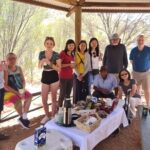
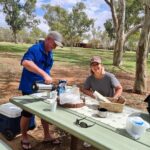
Afternoon tea is listed as included, and that’s a smart move for a 4-hour outing. It makes the day feel like a complete experience rather than a “see and go” arrangement.
That said, one booking note indicated afternoon tea wasn’t provided on the day described. I can’t change what happened for that specific booking, but I can help you protect your expectations: if afternoon tea is a key part of why you booked, I’d confirm what’s happening on your departure time. And if you’re traveling with picky kids or have dietary needs, it’s wise to bring a small backup snack.
In general, a short tour like this means you should expect a firm rhythm: pickup, three major sites, then the lookout. That’s great for efficiency, but it also means bathroom breaks and stretching are easier if you plan them when you’re already at a stop.
Price and value: is $126 for 4 hours fair?

At $126 per person for 4 hours, the value is mostly about what’s included. You’re getting guided access to multiple major institutions, entry fees are included, and you have air-conditioned transport with pickup and drop-off.
This is the kind of pricing that works best if you want an organized overview. If you were to visit the sites on your own, you’d still pay entry fees and then deal with the logistics of getting between them in a short time window.
For me, the question isn’t whether it’s cheap. The question is whether you’ll use what’s included. If you’re a first-timer in Alice Springs, traveling with kids, or you want a clear orientation to the town’s key services, this price makes sense because you’re buying time and interpretation, not just tickets.
If, however, you’re the type who prefers slow solo exploring and reading at length, you might feel the 4-hour structure is a bit too tight. In that case, the value depends on whether you enjoy guided storytelling.
Who should book this Historical Alice tour
I think this tour fits best if you want a compact, practical overview of Alice Springs beyond the basics.
It’s a strong choice for:
- Families: kids aged 2–15 are welcome, and the activities are described as safe for all age groups
- First-time visitors: you get Mparntwe context plus a simple geographic anchor at ANZAC Hill
- People who like how systems work: education (School of the Air), communications (Telegraph Station), medical response (RFDS)
It’s less ideal if you want long time at one location, because the day is built to cover several sites rather than linger. Also, if afternoon tea is a must-have for your plans, do a quick confirmation before you commit.
Should you book this tour?
Yes, I’d book it if you want an organized way to understand why Alice Springs matters in the outback. The mix of School of the Air, Telegraph Station, and RFDS gives you a clear picture of how people kept functioning across distance, and the ANZAC Hill stop helps you connect the stories to the view.
My main caution is the afternoon tea mismatch that’s been reported for at least one day. If tea is important to you, confirm your specific departure details or plan a small backup.
If you’re flexible and you like guided context, this is a smart way to spend a half day and come away with a stronger sense of place.
FAQ
How long is the Historical Alice Tour?
The tour lasts 4 hours.
Where does the tour pick up and drop off?
Pickup and drop-off are provided from selected locations in Alice Springs, with many accommodation options listed for pickup and drop-off.
What stops are included during the tour?
You’ll visit the Alice Springs School of the Air, the Alice Springs Telegraph Station, the Royal Flying Doctor Service Alice Springs Tourist Facility, and you’ll make a stop at ANZAC Hill.
Is afternoon tea included?
Yes, afternoon tea is provided as part of the tour.
Are entry fees included in the price?
Yes, entry fees are included.
Is the tour suitable for children?
Yes. Children aged 2–15 years are welcome and they pay a child rate.
Is the tour wheelchair accessible?
The tour is listed as wheelchair accessible.
What cancellation flexibility do I get?
The tour includes free cancellation up to 24 hours in advance for a full refund.