REVIEW · ULURU
4 Day Uluru Kata Tjuta Kings Canyon West MacDonnell ex.Ayers Rock
Book on Viator →Operated by Autopia Tours · Bookable on Viator
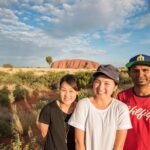
Four days in the Red Centre, up close. This small-group adventure strings together the big-name sights—Uluru and Kata Tjuta—plus Kings Canyon and the West MacDonnell Ranges, with expert commentary as you camp under outback skies.
Two things I really like about this trip are the early sunrise focus and the chance to swap sit-and-stare sightseeing for guided walking. You’ll also learn through stops like the Uluru-Kata Tjuta Cultural Centre and Mutitjulu Waterhole, where the stories connect geology, ecology, and culture in a practical way.
One consideration: this is not a laid-back cruise. You need a moderate to advanced fitness level for bush walks, and the camping style (safari tent or swag) means you’re living more like a camper than a hotel guest.
In This Review
- Key highlights to know before you go
- Uluru and the Red Centre, in a tight 4-day circuit
- Camping nights: safari tents or a swag
- Day 1: Ayers Rock arrival, cultural centre, Mutitjulu Waterhole, Kantju Gorge
- Day 2: Uluru sunrise, Kata Tjuta silhouette, Valley of the Winds hike
- Day 3: Kings Canyon morning, Mereenie Loop drive, West MacDonnell stargazing
- Day 4: Ormiston Gorge, Ellery Creek Big Hole, Standley Chasm, Simpsons Gap
- Food, timing, and why group setup is part of the deal
- Price and value: what $791.84 really covers
- Who this tour suits best (and who should rethink it)
- Should you book this 4-day Red Centre camping tour?
- FAQ
- How long is the tour?
- Where does the tour start and where does it end?
- Can I choose to start from Alice Springs or Yulara/Ayers Rock?
- What accommodation is included?
- Is a sleeping bag included?
- What meals are included?
- Are park passes included?
- What walking and fitness level are required?
- How large is the group?
- Can I get a full refund if I cancel?
Key highlights to know before you go
- Max 21 people keeps it personal and makes the day feel less crowded.
- Uluru sunrise + Kata Tjuta walking means you’re out early for the best light and the best views.
- Safari tents or single swags give you real choice, not just one bedding setup.
- A/C 4×4 off-road transport helps when roads get rough and days run long.
- Cultural and ecological learning stops at the centre and waterhole add context beyond photos.
- Stargazing at a bush camp gives you a classic outback night without adding extra driving time.
Uluru and the Red Centre, in a tight 4-day circuit
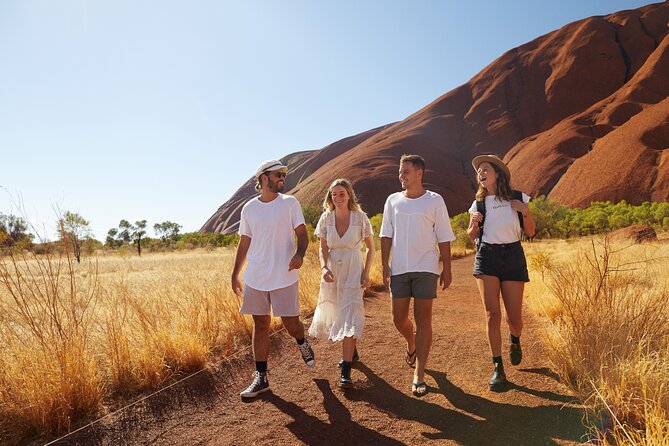
This is a smart “greatest hits” route that still feels grounded. In four days you’ll cover three major areas of Australia’s Red Centre: Uluru-Kata Tjuta National Park, Kings Canyon, and the West MacDonnell Ranges. The timing matters too. You start early for key viewpoints, and you get hiking time instead of only quick pull-offs.
There’s also real value in the way the tour frames the place. Uluru-Kata Tjuta became a UNESCO World Heritage site in 1987 for geological formations, rare plants and animals, and outstanding natural beauty. Your guide’s job is to tie those themes together as you move through the park, not just point at rocks.
You can also read our reviews of more tours and experiences in Uluru.


Camping nights: safari tents or a swag
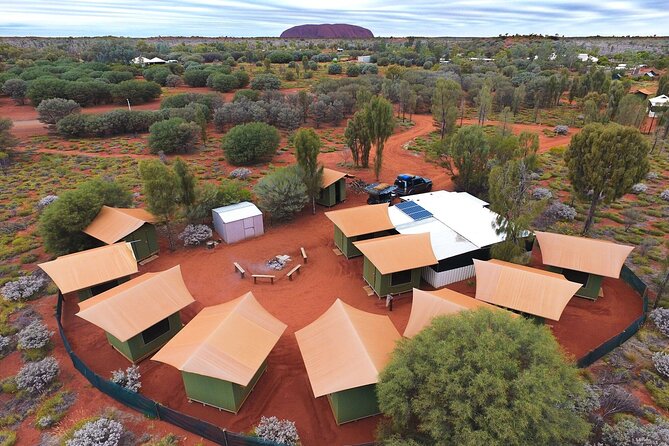
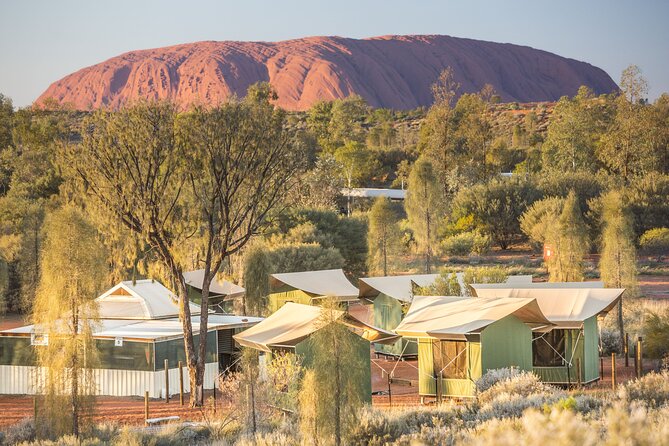
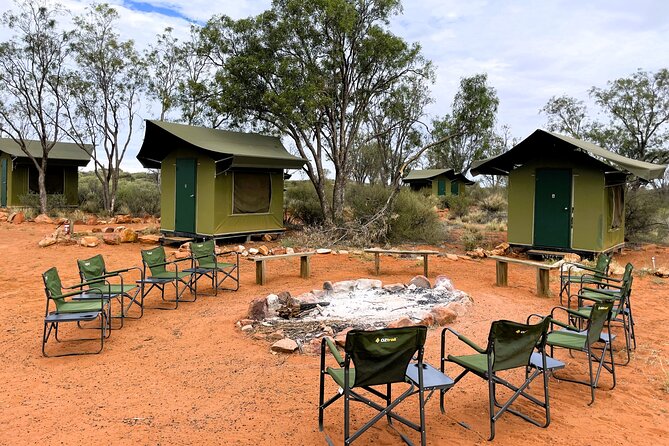
You stay at three permanent outback campsites: Uluru, Kings Canyon, and West MacDonnell. These aren’t remote wilderness “survive or suffer” camps. The tour provides bedding where you choose it, and meals are planned. Still, you are sleeping in a camping setting, so treat it as that.
Two lodging options are offered:
- Twin safari tents: bed linen, mattress, and pillow are provided.
- Traditional swag option: a canvas-covered bedroll setup. If you want a sleeping bag, you can hire one on board for $40 AUD, and that price includes cleaning costs.
If you’re picky about comfort, the safari tent option is the safer bet. If you want the full outback feel and are comfortable sleeping in a swag setup, you’ll probably love it.
Day 1: Ayers Rock arrival, cultural centre, Mutitjulu Waterhole, Kantju Gorge
Your day starts after you arrive at Ayers Rock Airport (or you join the group if you’ve flown down from Alice Springs). If you’re starting from Ayers Rock, you’ll head toward Yulara first to meet everyone, then move on to the campsite.
From there, the first real learning stop is the Uluru-Kata Tjuta Cultural Centre. Plan on spending around two hours here. It’s the kind of stop that can turn the whole trip from scenery into meaning. You’ll get background on the park’s cultural, ecological, historical, and geological significance—stuff you’ll feel later when you’re standing at the base of Uluru.
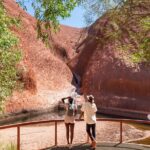
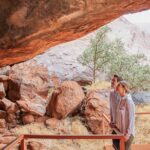
Next you go to Mutitjulu Waterhole, another couple of hours near the rock. This is one of those places where water (even limited water) changes everything in an arid environment. It’s also a strong spot for understanding why the area matters to Traditional Owners and local ecosystems.
Finally, you move into the national park to tour sacred sites, with a drive toward Kantju Gorge. The highlight here is the talk around the gorge’s waterfall potential—your guide notes it can be a major spectacle when it’s actually raining. One travel detail I appreciated from the guide style shared by previous guests: Damian is the type who keeps the group moving with practical care, like making sure you have coffee when possible and planning toilet breaks. That kind of attention makes the difference on a long first day.
Day 2: Uluru sunrise, Kata Tjuta silhouette, Valley of the Winds hike
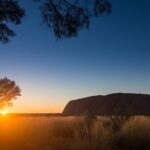
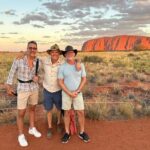
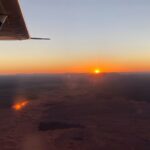
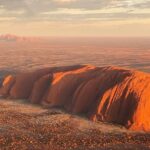
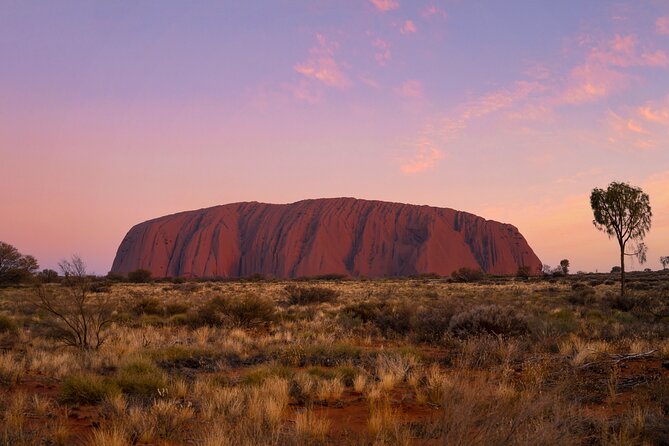
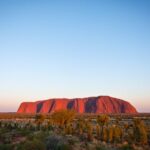
Day 2 begins early. You wake for a light breakfast, then head out for a sunrise in Uluru-Kata Tjuta National Park. Early light is one of those “you either get it or you miss it” moments. Sunrise also makes the giant rock feel less like an attraction and more like a living presence.
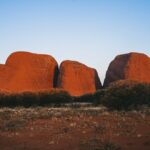
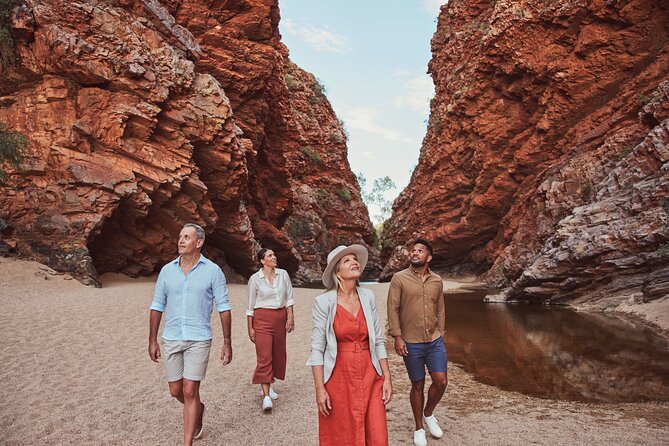
After Uluru, you shift to Kata Tjuta (The Olgas), where you’ll see the famous silhouette approach. It’s not just pretty. Those rock formations are part of the same UNESCO story—geology you can actually stand inside, not read about.
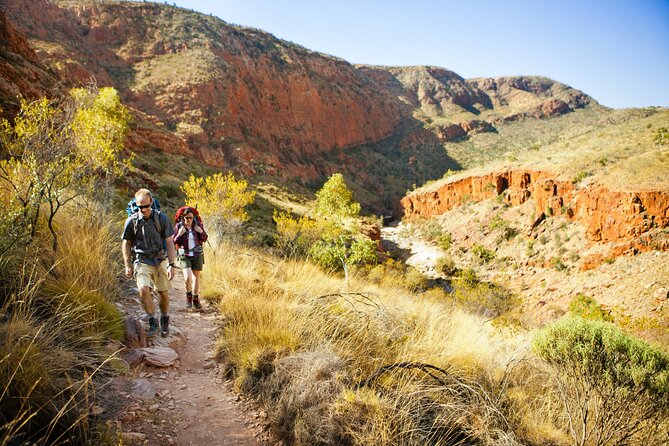
Then comes the walking: Valley of the Winds (Walpa Gorge). You’ll hike through conglomerate rock formations with a guide. The tour doesn’t sell this as a casual stroll. The included bush walks can add up to up to 6–8 km, based on fitness level. If you’re even slightly unsure, be upfront with your guide early. The best groups are the ones that communicate pace, not the ones that quietly suffer.
Later in the day, you head toward Kings Creek Station and get a glorious outback sunset. Dinner happens around the campfire, which is the kind of simple setup that turns day’s end into a shared moment.
Day 3: Kings Canyon morning, Mereenie Loop drive, West MacDonnell stargazing
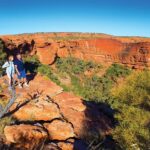
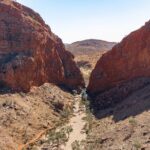
You start Day 3 early for Kings Canyon (Watarrka). This part of the trip is about more than views. The canyon is described as sacred country for the Ulpanyali and Lilla people, and the walk is designed to respect that meaning. Expect a deep morning of exploring ancient terrain and then reaching the canyon’s central highlight.
Then you switch gears from canyon walls to outback roads. You rest on the bus as you travel back north via the Mereenie Loop Tourist Drive, heading toward the West MacDonnell Ranges. This “drive day” is still part of the experience because the off-the-beaten-track route keeps you moving through the outback rather than only along major corridors.
Your night ends with stargazing at the bush camp. This is where the camp setting matters. You’re not just transported somewhere and dropped. You’re staying in the region long enough to appreciate the night sky.


Day 4: Ormiston Gorge, Ellery Creek Big Hole, Standley Chasm, Simpsons Gap
Your final day is a “do the gorges in order” finish, with breakfast included before the first walk stop.
At Ormiston Gorge, you’ll spend around two hours in the towering red canyon walls area. It’s one of those spots where the scale surprises you—especially if you’ve been thinking of the Red Centre as flat desert. Here, the walls do the talking.
Next is Ellery Creek Big Hole (Udepata in Arrernte). You’ll get a few hours here, including time to cool off. The bighole is a permanent waterhole, and that matters in the outback because water drives both wildlife and human life.
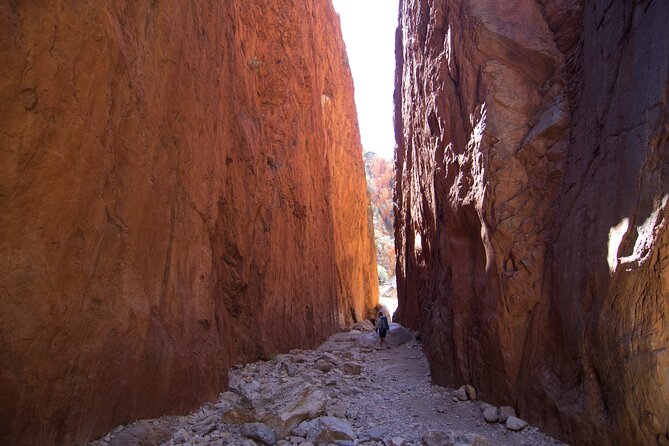
Then you visit Standley Chasm (Angkerle Atwatye). The size is very specific: a gorge about 3 meters wide and 80 meters high. That kind of detail tells you why it’s worth time. It’s not just a stop; it’s a vertical world.
Your last stop is Simpsons Gap, another permanent waterhole with wildlife activity and cultural significance. The tour framing here emphasizes its importance to local people as well as its role as a gathering place around water.
The day ends with the return to Alice Springs around 18:00–18:30. If you’re booking flights for the same day, I’d strongly avoid it. Even a small delay can be costly when you’re traveling from a remote region.
Food, timing, and why group setup is part of the deal
Meals are planned and included for breakfast (3), lunch (3), and dinner (3). Breakfast is also specifically mentioned on the final morning. Expect hearty outback meals, plus downtime built around camp life.
One thing that helps this tour work smoothly is that you’re asked to help with small tasks: meal preparation, clean up, and vehicle unpacking/loading. You’ll still get time to relax after the day. But you’re also part of the group rhythm. If you like meeting people while doing something simple—like chopping, serving, or cleaning—it can feel surprisingly good.
Price and value: what $791.84 really covers
At $791.84 per person, this isn’t a budget-only trip. But when you look at what’s included, it starts to feel like a bundled deal rather than a collection of separate day tours.
Included items that matter:
- 3 nights at outback campsites
- Guided bush walks (up to 6–8 km depending on fitness level)
- Uluru-Kata Tjuta National Parks pass
- Accredited outback driver guide with extensive commentary
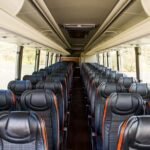
- Air-conditioned 4×4 off-road bus for rougher routes
- Park stops + timing that reduce the guesswork (especially sunrise-focused days)
- On-board drinking water, with the note that you should bring your own bottle
- Linen, mattress, and pillow if you choose the safari tent option
- Meals as listed above
What’s not included is also clear: any meals not listed, personal expenses, and travel insurance (recommended). If you’re thinking of this as a way to combine logistics, guiding, and park access into one price, the value holds up.
The extra costs to watch are the ones you control: sleeping bag hire if you choose the swag option and don’t bring your own.
Who this tour suits best (and who should rethink it)
This is a great fit if you want an active Red Centre trip with guided context. The day structure works best for people who:
- Like morning starts and don’t mind a full day outdoors
- Enjoy walking in desert terrain at a guided pace
- Are comfortable sleeping in a camping setting
- Prefer a small group (max 21) so you can ask questions and stay connected with your guide
It’s less ideal if you want minimal walking. The tour calls for moderate physical fitness, with a medium/high fitness level needed to complete the walks. If you’re older, the tour requires a doctor’s certificate for people over 75, submitted 30 days prior.
Should you book this 4-day Red Centre camping tour?
I’d book it if you want real time in the parks, not just quick photo stops, and you like the idea of sleeping in safari tents or a swag setup. The mix of Uluru sunrise, Kata Tjuta hiking, and Kings Canyon plus the West MacDonnell gorges gives you a full snapshot without feeling rushed in the usual drive-by way.
I’d pause before booking if you know you’ll struggle with the walking requirements or you’re looking for a low-activity, hotel-style vacation. This tour is built around motion, outdoors time, and group camp life.
FAQ
How long is the tour?
It’s a 4-day tour, approximately.
Where does the tour start and where does it end?
It starts at Ayers Rock Airport (Yulara/Ayers Rock area) and ends in Alice Springs. The return is around 18:00–18:30 on the final day.
Can I choose to start from Alice Springs or Yulara/Ayers Rock?
Yes. You can choose to start in Alice Springs or Yulara/Ayers Rock. You need to advise flight details at booking.
What accommodation is included?
The tour includes 3 nights at permanent outback campsites. You can choose twin safari tents or a traditional single swag (canvas-covered bedroll).
Is a sleeping bag included?
For the swag option, sleeping bags can be hired onboard for $40 AUD (cleaning included). The safari tent option includes bed linen, a mattress, and a pillow.
What meals are included?
Meals included are breakfast (3), lunch (3), and dinner (3), based on the tour’s included meal list. Breakfast is also indicated on the final morning.
Are park passes included?
Yes. The Uluru-Kata Tjuta National Parks pass is included.
What walking and fitness level are required?
You’ll do guided bush walks up to 6–8 km, depending on your fitness level. The tour requires at least moderate physical fitness, and a medium/high fitness level is needed to complete the walks.
How large is the group?
The maximum group size is 21 travelers.
Can I get a full refund if I cancel?
You can cancel up to 6 days in advance of the experience for a full refund. For a full refund, you must cancel at least 6 full days before the start time.