REVIEW · ULURU
Uluru Kata Tjuta 1 Day 1 Night Outback Experience from Ayers Rock
Book on Viator →Operated by Autopia Tours · Bookable on Viator
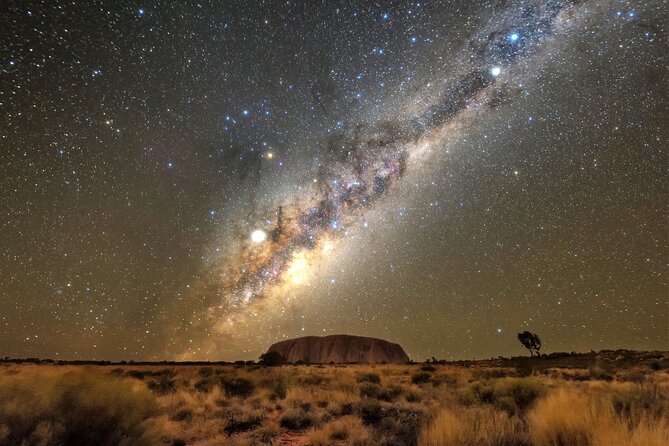
Uluru at night changes your sense of scale. This small-group Uluru and Kata Tjuta 1 night outback experience mixes Aboriginal culture, serious Red Centre views, and time in the park after the day crowds.
I especially like two things: the guide-led cultural storytelling (I’ve heard guides such as Sid, Dion, and Ben make it click) and the fact you get both Uluru and Kata Tjuta with park access included.
One thing to consider first: this is a physical tour. You’ll be doing bush walks in hot conditions, with parts rated grade 4, so pack smart and bring a good fitness base.
In This Review
- Key highlights to know before you go
- Two days that actually fit Uluru and Kata Tjuta
- Ayers Rock pickup, group size, and the mobile ticket reality
- Day 1: Uluru-Kata Tjuta Cultural Centre to Mutitjulu Waterhole
- Stop at the Uluru-Kata Tjuta Cultural Centre
- Mutitjulu Waterhole base walk
- Kantju Gorge, highest waterfall country, and Uluru sunset dinner
- Kantju Gorge viewpoint and walk
- Uluru lookout at sunset + hearty dinner
- Your overnight setup: safari tent comfort or swag style
- What “shared camp” really means
- Day 2: Uluru sunrise light and the Valley of the Winds hike
- Valley of the Winds (grade 4 parts) or Walpa Gorge
- Finish and return
- Walking effort: how hard is it, really?
- Food, comfort, and what’s included (and what isn’t)
- Price and value: what you’re paying for at $502.07
- Guide quality is the difference between seeing and understanding
- Who this tour fits best
- Should you book this Uluru Kata Tjuta 1 Day 1 Night Outback Experience?
- FAQ
- What time does the tour start and where does it finish?
- Is pickup included from Ayers Rock Airport or Yulara?
- What meals are included?
- How much walking will I do?
- Can I sleep in a tent or a swag?
- Do you cater to special dietary requirements?
- What if I need to cancel?
Key highlights to know before you go
- Cultural centre + Mutitjulu Waterhole: you get rock art and creation stories, not just photos.
- Kantju Gorge with a real destination payoff: Central Australia’s highest waterfall area, plus elders’ cave.
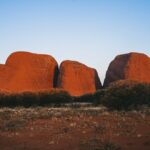
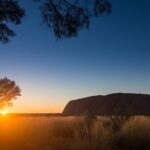
- Uluru sunset and next-morning sunrise timing: you see the rock change color twice.
- Valley of the Winds (grade 4 parts) or Walpa Gorge: you can match the hike to your comfort level.
- Overnight camp options: twin safari tents for privacy/security, or a traditional swag bedroll.
- Max 23 people: big enough for variety, small enough to feel guided.
Two days that actually fit Uluru and Kata Tjuta
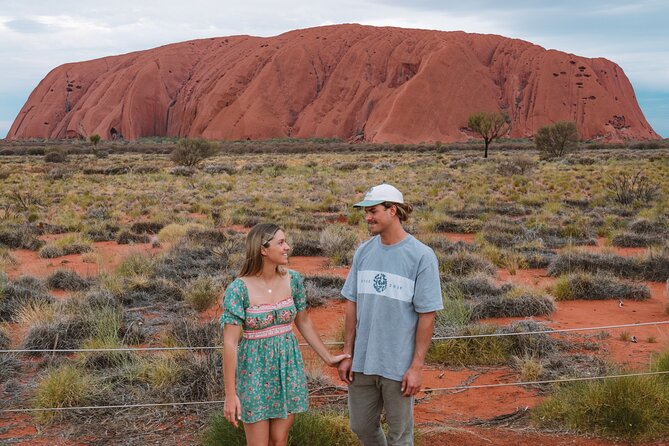
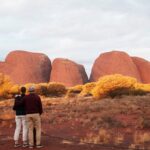
If you only have a short window, this is one of the smarter ways to do the Red Centre. Uluru and Kata Tjuta are both iconic, but they also feel different at different times of day. This trip gives you afternoon light (Uluru sunset), then early morning light (Kata Tjuta silhouette and sunrise viewing), with walks in between.
The other win is structure. You’re not just driving in and out. The day is split into a cultural start, a guided Uluru walk, a park afternoon with sunset, then an early start the next day. That rhythm helps you process what you’re seeing, especially when your guide points out rock art sites and explains the stories tied to specific places.
You can also read our reviews of more evening experiences in Uluru


Ayers Rock pickup, group size, and the mobile ticket reality
This runs out of the Ayers Rock area with a start time of 1:30 pm, and it ends back at the same meeting point area (Ayers Rock / Yulara). You can get a complimentary pick-up from Ayers Rock Airport, Yulara Resort, or Ayers Rock Campground (selected pick-up details are provided by the operator).
Two practical notes that matter:
- Your tour is mobile ticket based, so have it ready on your phone.
- It’s capped at a maximum of 23 travelers, which usually means more guide attention on the walks and fewer people to manage at viewpoints.
If you’re coming from outside Yulara/Ayers Rock, plan your timing so you’re at the pickup point with time to spare. The area is remote, and the schedule is built around sunrise and sunset.
Day 1: Uluru-Kata Tjuta Cultural Centre to Mutitjulu Waterhole
The first part of day 1 sets the tone. You don’t start with the “big rock shot.” You start with meaning.
Stop at the Uluru-Kata Tjuta Cultural Centre
You’ll spend about 2 hours here learning about the region’s heritage and Aboriginal significance. This isn’t just museum-style viewing. Expect an interpretive experience that helps you understand why certain places matter, and why the park is more than scenery.
Why I like starting here: it turns your later walks into something you can follow. Instead of standing at the base of Uluru wondering what you’re looking at, you’re already primed for the stories your guide shares next.
Mutitjulu Waterhole base walk
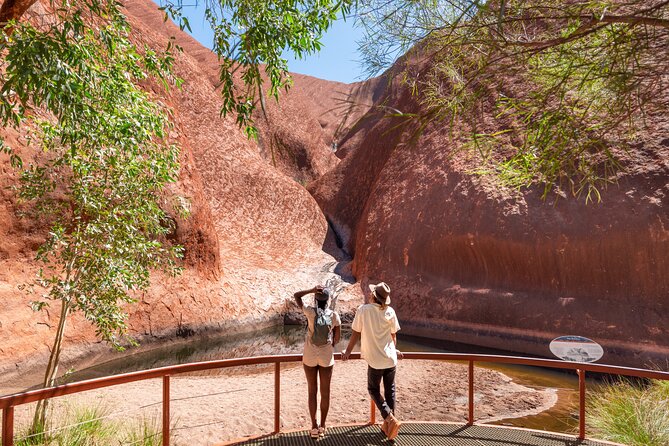
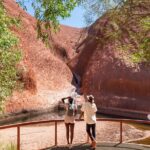
Then comes a base walk to Mutitjulu Waterhole. It’s about 2 hours, and your guide connects what you see with sacred rock art sites and ancient creation stories.
Mutitjulu is the kind of location where being there in person feels more intense than photos. The rock art sites and the story context can add an emotional weight you won’t get from just looking for angles.
Tip: bring sun protection and water. Even short walks feel longer in Central Australia heat, especially if you’re stopping frequently for explanations.
A few more Uluru tours and experiences worth a look
Kantju Gorge, highest waterfall country, and Uluru sunset dinner
After Mutitjulu, you move deeper into the park experience. This is where the trip earns its overnight value.
Kantju Gorge viewpoint and walk
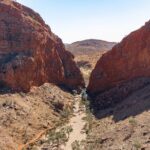
Day 1 includes time in Uluru-Kata Tjuta National Park, with stops such as Kantju Gorge, noted for Central Australia’s highest waterfall, and also an elders’ cave area. You’ll hear guided commentary as you explore.
Even if you’re not there for waterfalls in peak season, Kantju Gorge is still worth it. The rock formations and the way the place is described make you feel how the land is shaped by time, not just weather.
Uluru lookout at sunset + hearty dinner
You’ll end day 1 with a sunset at an Uluru lookout, followed by dinner. The dinner part may sound minor, but it matters because sunset viewing is when people run low on patience and energy. Getting a proper meal afterward keeps the evening feeling like part of the plan, not an awkward scramble.
One caution: sunset time makes the whole day feel urgent. If you get frustrated by tight timing, you might wish you had more hours on Uluru itself. One feedback point I’ve heard is that some people want to linger longer at sunrise later on day 2; think of that as a hint for how to set expectations.
Your overnight setup: safari tent comfort or swag style
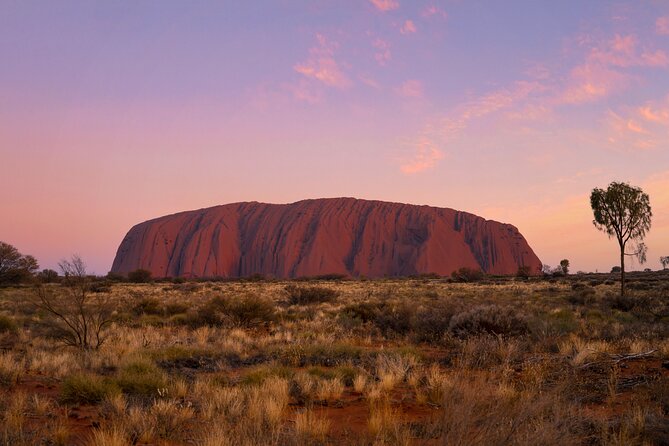
You’ll stay at 1 Nights Permanent Outback Bush Campsite (Uluru). This is one of the biggest “you should care” parts of choosing the tour, because it affects your sleep and your morning start.
You typically have two options:
- Comfortable twin safari tents: more privacy and security.
- Traditional swag experience: canvas-covered bedroll style.
If you don’t bring gear, sleeping bags can be hired onboard for $40 AUD. The hire includes cleaning costs. That’s a small but helpful detail if you’re traveling light.
What “shared camp” really means
Guests are asked to help with meal preparation, clean up, and vehicle unpacking/loading. That’s not always everyone’s favorite thing, but it does change the vibe. You’ll usually end up chatting with your group more than you would at a hotel.
If you’re the type who wants total quiet and zero participation, a camp-style setup can feel like more involvement than you planned. Still, many people find it’s exactly what makes an overnight memorable.
Day 2: Uluru sunrise light and the Valley of the Winds hike
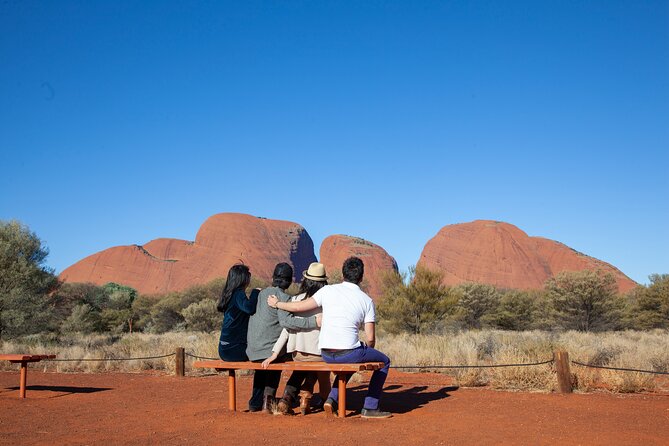
Day 2 starts early. You’ll have light breakfast and go out to catch sunrise in the national park. The itinerary includes a viewpoint where you can see the silhouette of Kata Tjuta as the light changes.
This early-morning timing is why an overnight tour beats a day trip. Late-day views are great, but the morning brings a different mood: quieter trails, cooler air, and that moment where the rock looks almost sculpted.
Valley of the Winds (grade 4 parts) or Walpa Gorge
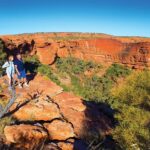
Next is a 2-hour hike through the Valley of the Winds. It’s listed as grade 4 in parts, with the option of Walpa Gorge as an easier walk.
This matters for your planning:
- If you’re comfortable with steep, uneven footpaths, Valley of the Winds is the one many people remember.
- If you want less strain, Walpa Gorge gives you a similar “Kata Tjuta rock formation” experience without pushing as hard.
Finish and return
You’ll conclude Kata Tjuta and return to Yulara Resort or Ayers Rock Airport. The estimated drop-off is shortly after midday.
Walking effort: how hard is it, really?
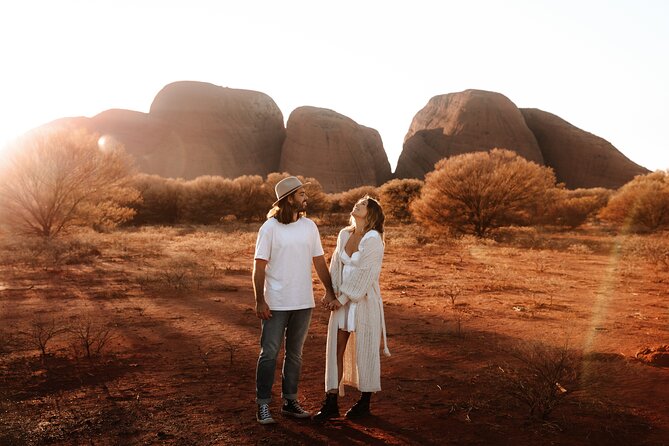
The tour includes guided bush walks (~5 km, subject to fitness level). The grade ratings (including grade 4 sections on day 2) are the key signal: this is not just a stroll.
What makes it harder than it looks on paper?
- Heat can slow you down fast.
- You’ll be walking with stops for stories and viewpoints.
- Rock surfaces and uneven ground add fatigue.
One practical hint from feedback: bring a fly swatter. It’s an oddly specific thing, but it’s exactly the kind of outback comfort item that can save your mood on a hike.
Also remember the safety/medical notes: the tour expects moderate to advanced fitness, and a doctor’s certificate is required for people over 75 years (30 days prior to travel). If you have medical conditions, notify the operator during booking.
Food, comfort, and what’s included (and what isn’t)
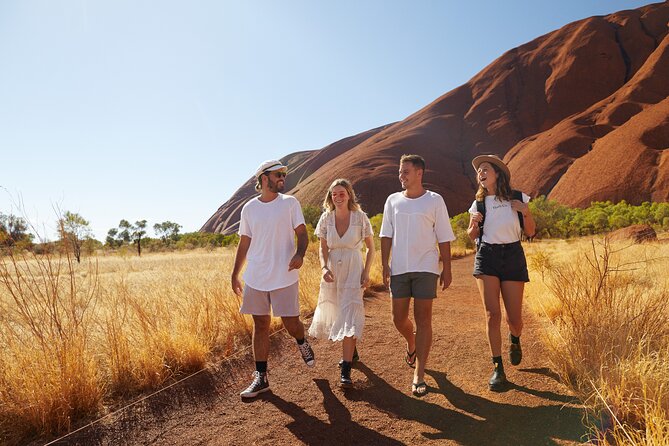
This experience includes:
- Lunch
- Dinner
- Breakfast
- Park access/pass for Uluru-Kata Tjuta National Park
- The overnight camp stay
- Guided bush walks
- Aboriginal culture and rock art viewing
Not included:
- Extra meals not listed in the itinerary
- Sleeping bag hire (unless you choose it onboard)
- Spending money and personal items
- Travel insurance (highly recommended)
Dietary needs: you can’t assume everything will be available on a remote schedule. The tour says options are limited in remote areas, so you need to advise dietary requirements at booking.
My practical advice: if you have strict dietary needs, treat this as “confirm before you go.” Don’t wait until you arrive.
Price and value: what you’re paying for at $502.07
At $502.07 per person, this is not a budget activity. The value comes from the mix of costs that are usually separate when you DIY it:
- Accommodation for one night at the campsite
- Meals (lunch, dinner, breakfast)
- National park access/pass
- An accredited outback driver guide with local commentary
- Guided walking time (including rock art viewing and cultural centre time)
Also, your time gets protected. Uluru sunrise/sunset viewing isn’t something you want to plan in a day with traffic and timing stress. For many people, paying for the schedule is what makes the trip feel smooth.
Is it worth it? If you want both parks, plus at least one guided walk with strong cultural context, plus an overnight rather than a rushed day tour, the price starts to make sense.
If you only want photos and you’d rather move at your own pace, you might feel the cost is too high. But for most visitors with limited time, this arrangement is hard to beat.
Guide quality is the difference between seeing and understanding
The guide is a major part of why this trip gets strong praise. I’ve seen named feedback for Sid, Dion, and Ben, and the consistent thread is their understanding of the area and Aboriginal culture, explained in a way that lands.
That kind of guiding matters most during the cultural centre stop and the Mutitjulu Waterhole walk. When someone can connect the story to what you’re looking at right now, it changes your attention. Instead of scanning for shapes, you start reading the land.
Who this tour fits best
This is a great match if you:
- Want Uluru and Kata Tjuta together in a short time
- Like guided interpretation (culture + geology)
- Are comfortable walking for hours with breaks
- Prefer a small group (max 23)
It’s not the best fit if you:
- Struggle with uneven ground or steep grades
- Need a totally relaxed, no-walking schedule
- Expect endless dietary flexibility at a remote camp
Should you book this Uluru Kata Tjuta 1 Day 1 Night Outback Experience?
I’d book it if you want a real Red Centre rhythm: culture first, guided walks that explain what you’re seeing, then sunrise/sunset views that only happen when you stay overnight.
I wouldn’t book it if your “must-do” is strictly a quick drive-by of the big sites, or if you’re worried about grade 4 hiking parts on day 2. This tour is built for people who can handle the heat and the walking.
If you do book, come prepared: good footwear, sun protection, hydration, and yes, consider a fly swatter. Do that, and you’ll get far more than a checklist of viewpoints.
FAQ
What time does the tour start and where does it finish?
The tour starts at 1:30 pm at the Ayers Rock Airport / Yulara area meeting point and finishes back at the meeting point area (Ayers Rock / Yulara).
Is pickup included from Ayers Rock Airport or Yulara?
You can opt for a complimentary pick-up from Ayers Rock Airport, Yulara Resort, or Ayers Rock Campground. Pick-up is described as selected.
What meals are included?
This experience includes lunch, dinner, and breakfast.
How much walking will I do?
You’ll do guided bush walks totaling around 5 km (subject to fitness level), plus additional walking time during specific stops. The Valley of the Winds includes grade 4 in parts, while Walpa Gorge is easier.
Can I sleep in a tent or a swag?
Yes. You can choose comfortable twin safari tents (more privacy and security) or a traditional swag experience (canvas-covered bedroll). Sleeping bags can also be hired onboard for $40 AUD.
Do you cater to special dietary requirements?
You can request dietary needs, but options are limited in remote areas. You should advise dietary requirements at booking so the operator can prepare as much as possible.
What if I need to cancel?
You can cancel up to 6 days in advance for a full refund. Cancellation closer to the start date reduces the refund amount based on how many days remain.