REVIEW · ULURU
Ayers Rock and Kata Tjuta 1-Hour Scenic Flight: Lizard Safari
Book on Viator →Operated by Ayers Rock Scenic Plane Flights · Bookable on Viator
Flying over Uluru beats the usual bus tour. This 1-hour scenic Lizard Safari flight in Australia’s Red Center gives you clean aerial views of Uluru (Ayers Rock), Kata Tjuta (the Olgas), and Lake Amadeus—plus live commentary from the cockpit. The route also covers areas you cannot see from the ground, including a rare look at an eastern face of Kata Tjuta, and you’ll get a guaranteed window seat for the best sightlines.
I really like how the pilot’s in-flight narration turns a simple sightseeing loop into a better understanding of what you’re seeing—salt lake patterns, sacred rock formations, and even why the colors look different from above. The only drawback to plan around is that the experience depends on good weather, and at this price, you’ll want to be sure you’re comfortable spending on an aerial view versus more time on the ground.
In This Review
- Key Highlights You’ll Feel Right Away
- The Big Idea: Why a Scenic Flight Makes Sense Here
- Pickup, Timing, and What 2 Hours Means in Your Day
- The Plane Experience: Headsets, Live Commentary, and Small-Group Comfort
- Uluru From Above: Northern and Western Faces in One Flight
- Kata Tjuta Domes: How the Aerial Angle Changes Everything
- Lake Amadeus and the Ancient Coral Reef Remnants
- Wild Camels and Desert Plains: What You Should Actually Look For
- Safety and Pilot Professionalism: Why It Matters Here
- Price and Value: What You’re Paying For (and Why It Can Be Worth It)
- Best Time to Fly: Morning vs Afternoon
- Who Should Book This Flight—and Who Might Skip It
- Should You Book Ayers Rock Scenic Plane Flights?
- FAQ
- How long is the Ayers Rock and Kata Tjuta scenic flight?
- Do I get hotel pickup and drop-off?
- Is a window seat guaranteed?
- Are headsets provided for the pilot commentary?
- Can I choose morning or afternoon?
- Is food or drinks included?
- What route will the flight cover?
- Is the tour dependent on weather?
- How many people are in a group?
- Can children and service animals participate?
Key Highlights You’ll Feel Right Away
- Guaranteed window seat makes it easy to focus on photos and details from takeoff to landing
- Morning or afternoon departure lets you match the timing to your day in the Red Center
- Sacred-area views from the air includes a rare look at an eastern face of Kata Tjuta that’s not accessible on foot
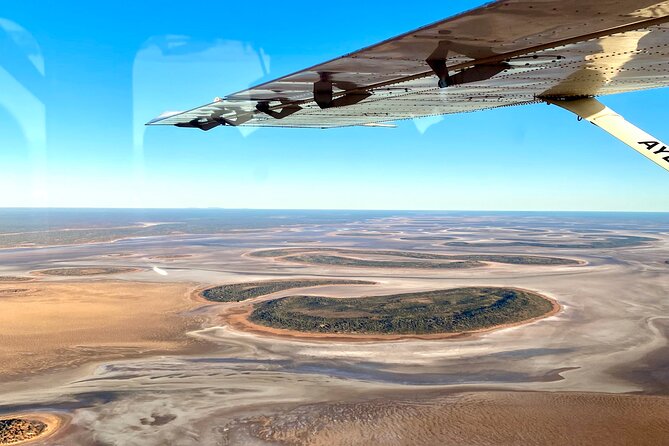
- Low passes over Lake Amadeus help you spot surface patterns and color changes rather than just flying over it
- Uluru and Kata Tjuta from multiple angles with flights along northern and western faces
- Small group size (maximum 7 travelers) with headsets and live pilot commentary included
The Big Idea: Why a Scenic Flight Makes Sense Here
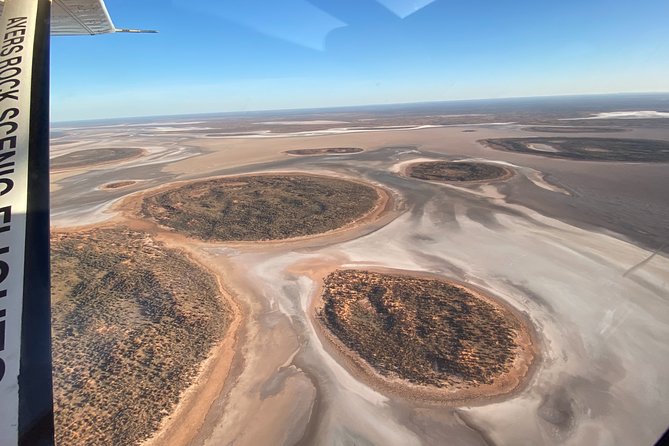
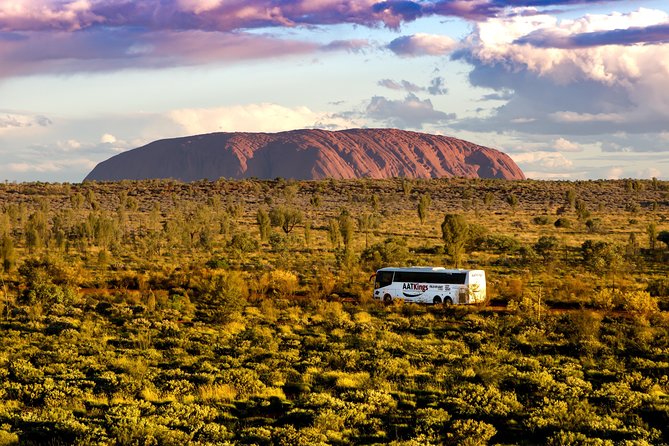
When you’re visiting Uluru and Kata Tjuta, ground tours are great—but they can also feel like you’re always looking at the same few angles. From the air, the shapes do something different. You see how Uluru sits in its plain, how the Kata Tjuta domes cluster, and how the salt lake stretches out like a giant mirror in the distance.
This tour is built around that advantage. You fly for 60 minutes in a fixed-wing aircraft, with the pilot providing live commentary the whole time, so you’re not just watching from a window—you’re learning what you’re seeing as the scenery rolls by.
A few more Uluru tours and experiences worth a look

Pickup, Timing, and What 2 Hours Means in Your Day
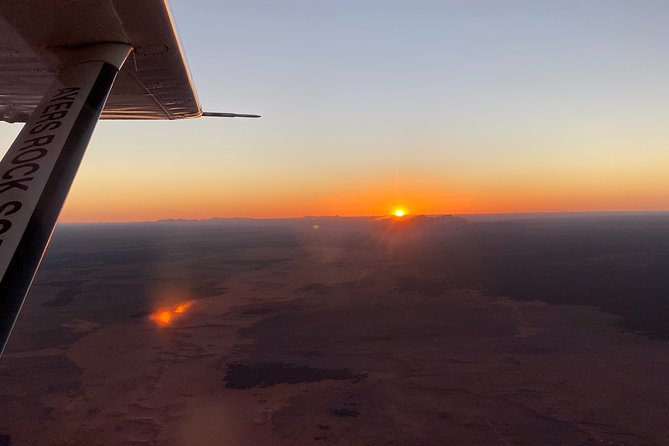
The total tour time is about 2 hours, which includes transfer time to Ayers Rock airport, flight time, and the return drive back to your hotel. You’re offered a choice of morning or afternoon departure, so you can pick the time that best fits your plans.
In practical terms, that tight time window is a win. You get a lot of variety—Uluru, Kata Tjuta, and Lake Amadeus—without eating up most of your day. It’s also why this works well if you’ve got limited time in the region or you’re traveling with someone who may not want a long walking-heavy day.
The Plane Experience: Headsets, Live Commentary, and Small-Group Comfort
You’ll board a fixed-wing aircraft after hotel pickup and airport check-in, then meet your pilot for the flight briefing experience. Once you’re in your seat, you’ll have headsets so you can hear the live narration clearly, even with the engine noise.
What stands out is the human side of it. One review specifically praised pilot Liam for being well informed and sharing local knowledge, and another emphasized feeling safe and relaxed the whole time. That combination matters because a flight like this is all about confidence—when you feel comfortable in the cockpit process, you’re more likely to sit back and enjoy the views instead of constantly second-guessing what’s happening.
Uluru From Above: Northern and Western Faces in One Flight
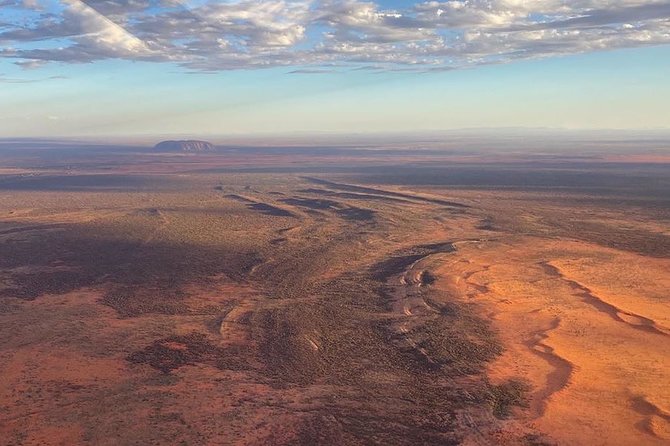
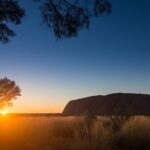
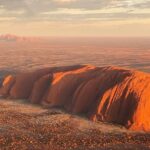
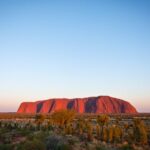
Uluru is famous for a reason, but from the air it turns from a single icon into a form with texture and geometry. Early in the flight, you’ll travel along the northern and western faces of Uluru. That matters because rock faces look different from different angles, especially as the light shifts.
You also get the benefit of time efficiency. Instead of spending hours trying to line up viewpoints from ground locations, you get the rock’s outline and surface character as you pass by. If you’re the type who loves details, the changing perspective is the payoff.
Kata Tjuta Domes: How the Aerial Angle Changes Everything
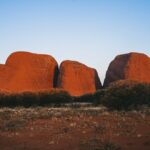
Next comes Kata Tjuta, known for its domes and dramatic weathered rock. The flight follows the northern and western faces of Kata Tjuta, and this is where the experience starts feeling special in a very literal way.
The big detail: you’ll also get a rare view of an eastern face of Kata Tjuta that isn’t accessible to the public from the ground. That’s not a small upgrade. It’s the difference between seeing the formation and seeing a part of it that most visitors will never view directly.
If you’ve ever looked at Kata Tjuta photos and wondered what the other side looks like, this is the reason people pay for air time here. From above, the domes stack and overlap in a way that’s hard to appreciate from one trail loop or a single viewpoint.



Lake Amadeus and the Ancient Coral Reef Remnants
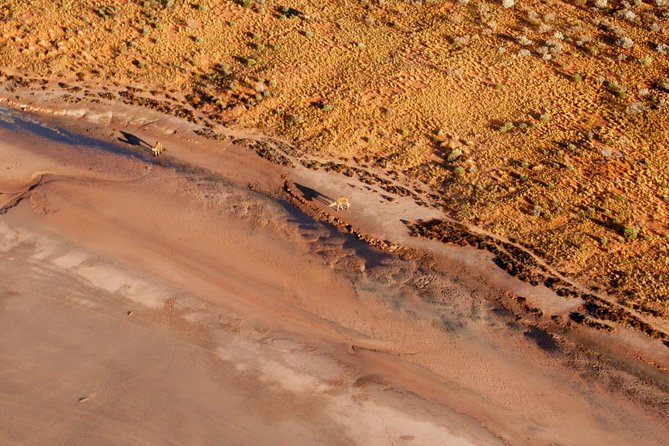
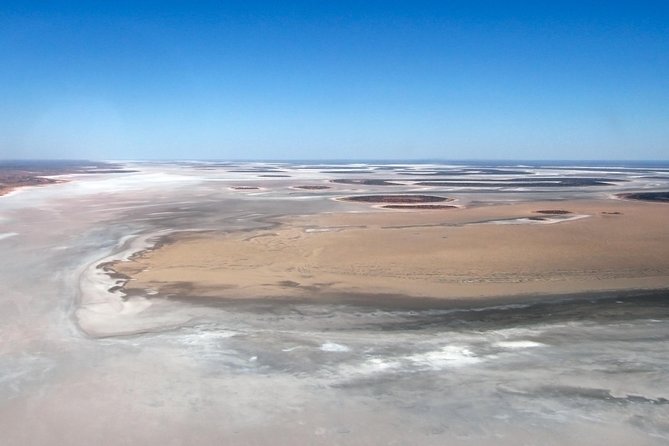
After you’ve admired Uluru and Kata Tjuta, the tour shifts to Lake Amadeus. This is the Northern Territory’s largest salt lake, and you’ll pass over it on the way in. The contrast is immediate: you go from big monolith rock views to a wide salt-flat scene where the surface can look like patterns rather than just water.
There’s also a scientific detail that makes the flight more interesting than a simple sightseeing loop. You’ll fly over the remains of an ancient coral reef on the way to the lake. That adds context to why this region’s geology looks the way it does, even from the air.
At the lake itself, the pilot makes low passes over the water to show intricate patterns and color on the surface. Then you soar higher to take in the bigger picture of the lake’s 112 miles (180 kilometers) of water. That combination—low-and-close followed by wider perspective—helps you see both the detail and the scale.
Wild Camels and Desert Plains: What You Should Actually Look For
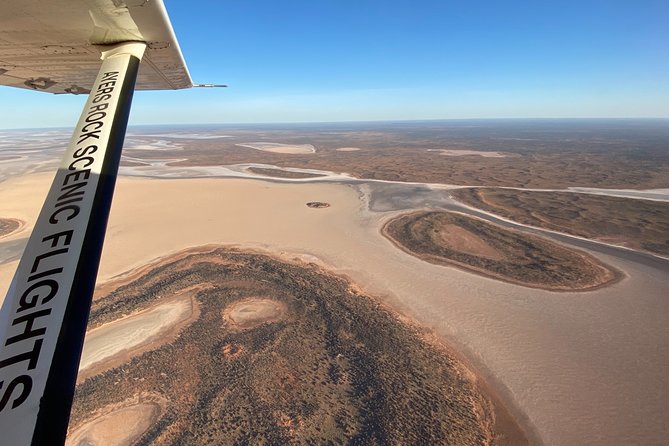
The tour includes time where you’re flying over desert plains and the pilot helps you look for wild camels. From a small aircraft window, that’s more about spotting movement and shapes than expecting easy, close-up views.
So set your expectations in a smart way. If you see camels, it’s a great bonus, but the main value is the route itself—Uluru, Kata Tjuta, and Lake Amadeus—plus the angles you can’t easily get from ground viewing.
In a place where distances are huge, aerial searching feels different from walking a trail. If you like the challenge of spotting animals from above, this format fits.
Safety and Pilot Professionalism: Why It Matters Here
Because this is a flight over remote terrain, safety isn’t just a checkbox. Reviews highlight that people felt safe throughout, and that the pilot and support crew were professional and friendly. When you get that calm, you’re free to enjoy what you paid for.
The live commentary also adds a safety layer in a subtle way. You’re not just in silence while flying; you’re guided through what’s happening, which can make the whole process feel more organized. One review praised fast responsiveness to inquiries, which suggests the company treats communication seriously even before you ever reach the aircraft.
Price and Value: What You’re Paying For (and Why It Can Be Worth It)
At $338.08 per person, this isn’t a budget add-on. One review directly called it pricey and suggested it might feel more worth it off peak, especially because the flight cost is what changes most when demand shifts.
So is it worth it? For me, the value depends on what you’re optimizing:
- If you want maximum iconic views in a short time, air time can be a smart trade.
- If you’re hoping to recreate a full-day hiking experience, a flight will feel expensive because it’s short by design.
- If you want the rare eastern-face view of Kata Tjuta plus low passes over Lake Amadeus, that’s hard to replace with a ground-only plan.
Also remember what’s included: hotel pickup and drop-off, headsets, live commentary, and the flight itself. That lowers the hidden costs that people often forget with tours that require separate transport. No food or drinks are included, so you’ll want to plan meals around your departure time.
Best Time to Fly: Morning vs Afternoon
You can choose either a morning or afternoon departure. I like this flexibility because it gives you control over lighting and how your energy matches the day. Morning can be a good match if you prefer starting early, while afternoon can work if your schedule is built around a later day.
What to watch for is the weather requirement. Since the flight depends on good weather, the best time is the one that gives you the cleanest forecast for your chosen day. If your plans are flexible, you’re in a better position to pick the timing that runs.
Who Should Book This Flight—and Who Might Skip It
This is a strong fit if you:
- want aerial views of Uluru, Kata Tjuta, and Lake Amadeus in a single hit
- value live pilot commentary and clear audio through provided headsets
- want a guaranteed window seat without gambling on where you’ll sit
- like the idea of seeing parts of Kata Tjuta that aren’t reachable from ground access
You might consider a different approach if you:
- feel strongly that this is a lot of money for a short flight
- prefer long walking time and on-foot viewpoints over aerial angles
- don’t want to risk weather-related changes, since the experience requires good conditions
Should You Book Ayers Rock Scenic Plane Flights?
If you’re spending time in the Red Center and you want a view plan that’s efficient, dramatic, and different from the standard photo stops, I’d say book it. The combination of Uluru and Kata Tjuta angles plus the Lake Amadeus pattern show is the kind of contrast that’s hard to replicate any other way.
The best argument in its favor is also the simplest: the view access. You’re not just flying over famous places; you’re getting a rare look at an eastern face of Kata Tjuta and a closer look at Lake Amadeus patterns with low passes. If that’s the kind of difference you care about, this flight earns its cost.
FAQ
How long is the Ayers Rock and Kata Tjuta scenic flight?
The flight part is 60 minutes, and the full tour is about 2 hours including hotel transfer time.
Do I get hotel pickup and drop-off?
Yes. Hotel pickup and drop-off are included.
Is a window seat guaranteed?
Yes. A guaranteed window seat is included.
Are headsets provided for the pilot commentary?
Yes. Headsets are included so you can hear the guide clearly.
Can I choose morning or afternoon?
Yes. You can choose a morning or afternoon departure.
Is food or drinks included?
No. Food and drinks are not included.
What route will the flight cover?
You’ll pass Uluru (Ayers Rock) and Kata Tjuta (the Olgas), and fly over Lake Amadeus. The flight also includes a rare view of an eastern face of Kata Tjuta that isn’t accessible from the ground.
Is the tour dependent on weather?
Yes. The experience requires good weather, and if it’s canceled due to poor weather, you’ll be offered a different date or a full refund.
How many people are in a group?
The maximum group size is 7 travelers, and the aircraft requires a minimum of 2 people to operate.
Can children and service animals participate?
Children must be accompanied by an adult, and service animals are allowed.