REVIEW · ULURU
Best of Alice Springs Full Day Tour
Book on Viator →Operated by AAT Kings · Bookable on Viator
Alice Springs can feel bigger than its size, fast. I like how this day packs short guided walks and standout outback stops into one smooth route, with a friendly driver-guide and an air-conditioned coach.
The two things I really love are the included entry tickets (so you don’t lose time in lines) and the way the day moves from dramatic gorges to the human stories of communication and medicine.
I also appreciate the mix of learning and fun: you’ll see how the Overland Telegraph helped shape the town, then switch gears to the Royal Flying Doctor Service and the Alice Springs Reptile Centre.
The only real catch I’d flag is extra planning: you need an NT Parks Pass for West MacDonnell National Park, and School of the Air entry is included only Mon–Fri.
In This Review
- Key Things to Know Before You Go
- A One-Day Route That Explains the Red Centre
- The 7:30am Start and How the Day Flows
- John Flynn’s Memorial Historical Reserve: The Flying Doctor Story’s Start
- Simpsons Gap Walk: Gorges, a Waterhole, and Guided Timing
- Standley Chasm (Angkerle): A Stony Watercourse Walk
- School of the Air: How Radio Reached Kids Far from Town
- Telegraph Station Historical Reserve: Messages Between Darwin and Adelaide
- Royal Flying Doctor Service Museum: Medical Care Out Where Roads End
- Alice Springs Reptile Centre: Thorny Devils and the Art of Staying Curious
- Anzac Hill Viewpoint: The Day’s Final Big Perspective
- Value Check: Is $190.07 a Good Deal?
- Who This Tour Suits Best (and Who Might Prefer Something Else)
- Tips to Make It Smoother
- Should You Book This Full Day Tour?
- FAQ
- How long is the Best of Alice Springs Full Day Tour?
- What time does the tour start?
- Is hotel pickup and drop-off included?
- What’s included in the ticket price?
- Do I need a pass for West MacDonnell National Park?
- How big is the group?
Key Things to Know Before You Go
- Hotel pickup and drop-off keeps the day easy, with a 7:30am start time
- Guided walks at Simpsons Gap and Standley Chasm give you viewpoints without wandering blind
- Admission tickets included for major stops, so you spend less time waiting
- A full outback mix: radio, telegraphy, flying doctors, and reptiles in one day
- Max 50 travelers on the coach, so it still feels manageable
A One-Day Route That Explains the Red Centre
This is one of those Alice Springs tours that makes sense immediately. The town is the hub, but the real story is out beyond it—through the West MacDonnell Ranges and into the institutions that kept remote communities connected.
What I like most is the balance. You get nature that feels instantly Central Australian—gorges, dry country, and wide-open views—then you shift to practical history about communication and healthcare. It’s not just sightseeing. It’s the logic of how people lived out here.
And because the day is guided from start to finish (with comprehensive commentary), you’re not left piecing together what you’re seeing.
You can also read our reviews of more tours and experiences in Uluru.


The 7:30am Start and How the Day Flows
The tour begins at 7:30am, and it runs about 10 hours 30 minutes. That early start matters in Central Australia. You’ll get daylight for the walks and better light for the view stops, before the heat and glare take over.
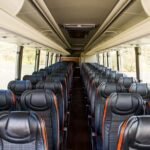
You’ll ride in an air-conditioned coach, with pickup and drop-off at your Alice Springs hotel. There’s also morning tea, which is a small thing that helps a lot. One less scramble for food before you’re out walking.
The group is capped at 50 travelers, and with a full day itinerary, that cap helps keep the schedule from turning into chaos. The pace is still active—think “see a lot” rather than “slow wander”—but the sequence is well ordered.
John Flynn’s Memorial Historical Reserve: The Flying Doctor Story’s Start
Your morning begins near Alice Springs at the John Flynn’s Grave Historical Reserve. This stop is short—about 10 minutes—but it sets the tone.
You’ll visit the resting place for the ashes of Reverend John Flynn, the founder associated with the Royal Flying Doctor Service. Even if you only know the Flying Doctors from documentaries, the context here is a quick and respectful anchor for the rest of the day.
If you like your tours to explain why later stops matter, this is a smart opener. It gives you a thread to follow: remote communities, medical need, and a system built to reach where roads don’t.
Simpsons Gap Walk: Gorges, a Waterhole, and Guided Timing
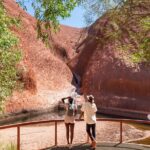
Next up is Simpsons Gap in the West MacDonnell Ranges. The walk portion runs about 45 minutes and includes a guided route through towering cliffs to the waterhole.
This is where the tour earns its “Best of” name. You’re not just pulling up at a viewpoint and calling it done. A guide helps you know where to look and what you might spot, and you get a clear plan for the walk duration.
Practical tip: wear shoes you trust on uneven ground. The tour isn’t described as a long hike, but outback paths can be rocky and unforgiving. Also, consider a hat and sunscreen—morning shade can disappear fast once you’re moving between rock faces.
Standley Chasm (Angkerle): A Stony Watercourse Walk
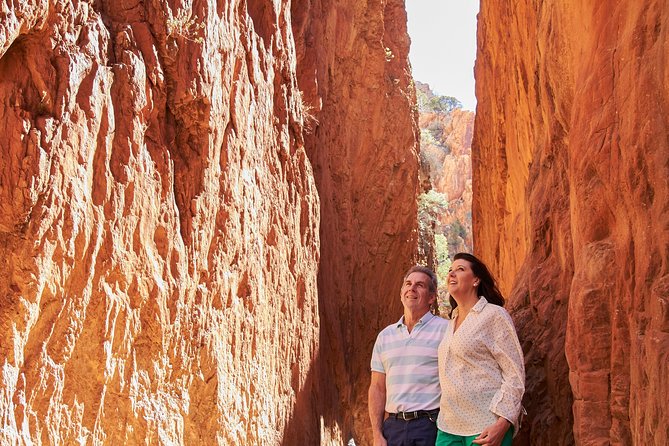
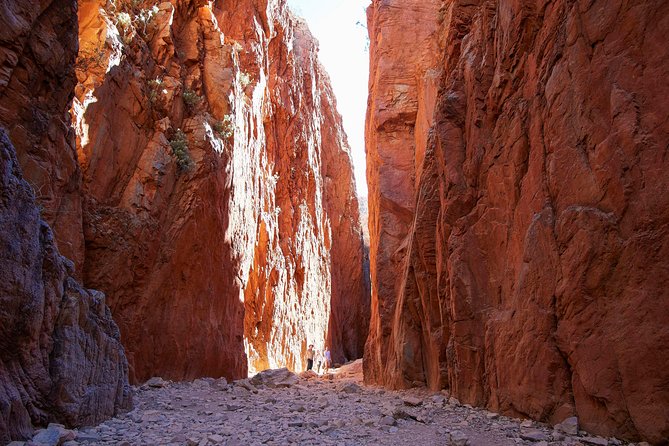
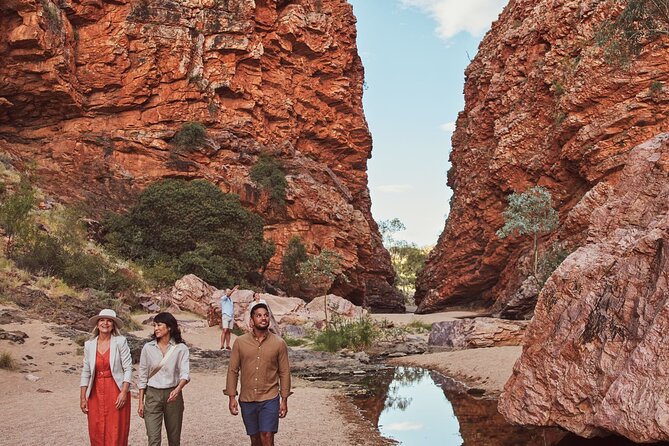
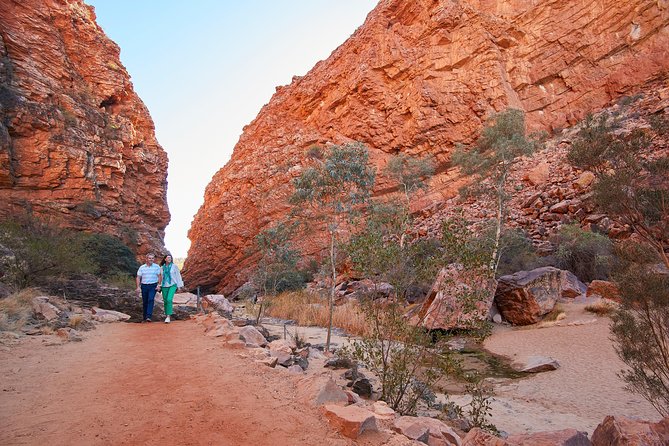
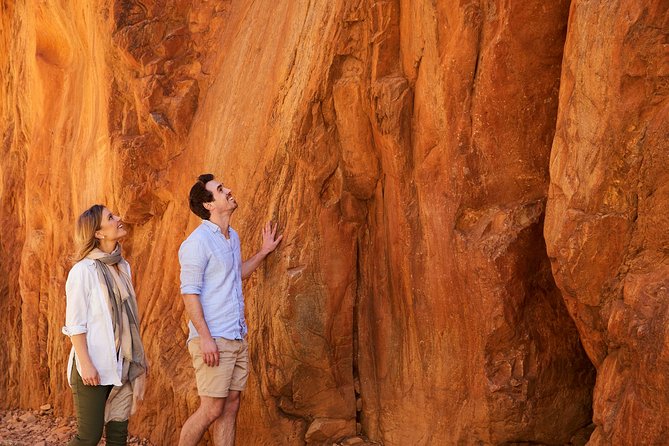
After Simpsons Gap, you head to Standley Chasm, also known as Angkerle. Plan for about 1 hour here, and the focus is a walk along its stony watercourse.
The chasm is a big visual payoff for the time you put in. The guided nature helps you slow down and actually notice details instead of rushing to take photos. You may also see bird and wildlife in the area, depending on the day.
If you’re the kind of person who enjoys learning “what you’re looking at,” this stop is built for you. A chasm isn’t just a photo background—it’s a habitat, a weathered corridor, and a place with its own rhythm.

School of the Air: How Radio Reached Kids Far from Town
Then it’s back to people and systems. You’ll visit the Alice Springs School of the Air Visitor Centre, about 55 minutes.
This stop is a story about the way Alice Springs started as a radio repeater station along the Overland Telegraph Line. From there, you’ll learn how remote primary school kids received education. You’ll also be able to call into the School of the Air during your visit.
One key note: entry is included only Monday to Friday. If your travel dates land on the weekend, the tour still runs, but you’ll want to confirm how the School of the Air component is handled for your day.
Why this matters: it turns the idea of distance into something real. You stop thinking of the Outback as empty space and start seeing it as a place with families, routines, and solutions.
Telegraph Station Historical Reserve: Messages Between Darwin and Adelaide
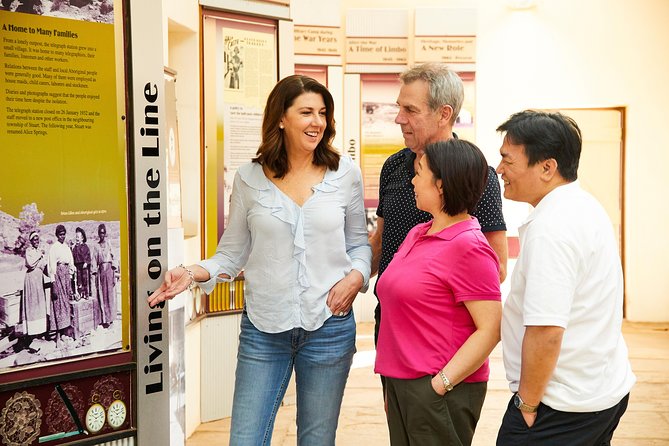
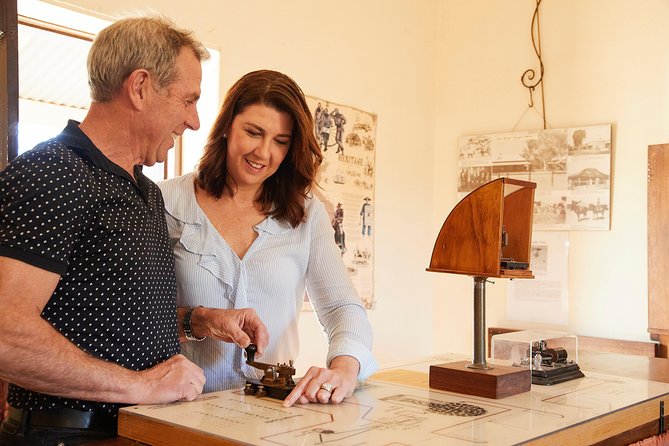
From radio education, you move to telegraph communication at the Alice Springs Telegraph Station Historical Reserve. Expect about 1 hour here, and admission is included.
This stop focuses on the first European settlement in Alice Springs and the telegraph station’s role relaying messages between Darwin and Adelaide for 60 years. That’s a long stretch for a technology that now feels ancient—but the station helps you understand how critical it was.
I like the way this stop makes Central Australia feel connected. It’s not only about remoteness; it’s about bridges—thin lines of cable and radio signals that mattered to real lives.
If you enjoy small museums and interpretive displays, you’ll probably spend the hour absorbing details. And if you’re more of a “quick look then move” person, you’ll still come away with a clear sense of what the station was doing.
Royal Flying Doctor Service Museum: Medical Care Out Where Roads End
Next comes the Royal Flying Doctor Service Museum, about 55 minutes, with admission included.
This is the headquarters area for a service that delivers medical care to people who live and work remotely across rural Australia. You’ll get a sense of what that means logistically, and why the Flying Doctors became such a key part of outback life.
This is also one of those stops where a good driver-guide adds value. Even without getting too technical, the commentary helps tie the morning’s John Flynn connection to what you’re seeing here. It’s the same story, told with different pieces.
If you’re visiting with kids or someone who likes practical facts, this stop usually lands well. It’s not just history behind glass; it’s a real-world service with ongoing relevance.
Alice Springs Reptile Centre: Thorny Devils and the Art of Staying Curious
Now for the stop many people remember: the Alice Springs Reptile Centre. You’ll have about 1 hour, and admission is included.
The best part is the close-up factor. You can see reptiles of Central Australia like the Perentie Lizard and the Thorny Devil. You may even be able to touch some lizards and snakes, depending on what’s available during your visit.
This is one of the rare tour moments where the “show” can feel like a hands-on experience rather than passive viewing. If you think reptiles are only for cold-blooded horror movie scenes, this is the place where your opinion can change fast—without any theatrics.
Practical advice: wear sleeves or long pants if you’re planning to handle or get close. Even if touching is offered, you’ll likely want to feel prepared.
And for photo lovers: bring your camera settings ready. Reptile centre lighting can be tricky, and the opportunity to photograph can be quick.
Anzac Hill Viewpoint: The Day’s Final Big Perspective
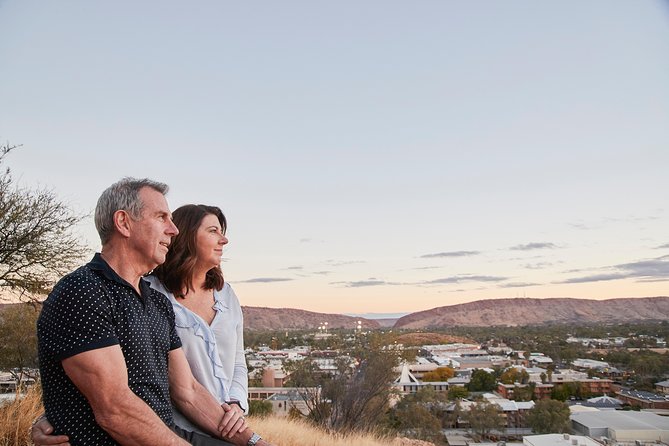
After all the indoor-style history stops, you end with fresh air at Anzac Hill. It’s a short stop—about 10 minutes—but it helps the whole day click into place.
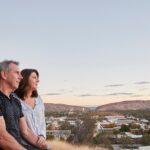
From the hilltop you get a panoramic view over Alice and the surrounding West MacDonnell Ranges. It’s a simple “look around” moment that works because you’ve already learned what those ranges and the outback systems mean.
If you’re sensitive to heat or glare, this is the place to take your time. Even a quick viewpoint is more enjoyable when you’re not rushing.
Value Check: Is $190.07 a Good Deal?
At $190.07 per person for roughly 10.5 hours, the value comes down to what’s included versus what you’d otherwise pay and organize yourself.
Here’s what you’re getting as part of the price:
- Hotel pickup and drop-off
- Air-conditioned coach
- Morning tea
- A driver-guide with commentary
- Admission included for key attractions:
- School of the Air (Mon–Fri only)
- Telegraph Station
- Royal Flying Doctor Service Museum
- Alice Springs Reptile Centre
Plus, several stops are free (John Flynn’s Grave Historical Reserve, Simpsons Gap, Standley Chasm, and Anzac Hill). That mix of paid and free entries helps keep the day feeling fair.
If you were trying to DIY this, you’d still need transport, timing, and multiple separate tickets. This tour bundles it into one day, which saves energy—especially if your time in Alice Springs is limited.
My rule of thumb: if you want the practical “best of” overview without juggling cars, this price looks reasonable. If you’re the type who prefers slow, flexible wandering and you already have your own vehicle, you might weigh the included admissions against your self-guided plan.
Who This Tour Suits Best (and Who Might Prefer Something Else)
This tour fits you well if:
- You like structured days with clear stops
- You want a strong overview of Alice Springs beyond the downtown strip
- You enjoy guided walking, even if it’s short
- You’re curious about outback systems like radio, telegraphy, and the Flying Doctors
You might choose a different option if:
- You’re traveling on a Sunday or weekend and really want the School of the Air visit as part of your plan
- You dislike early starts or prefer a slower pace
- You want to spend more time in just one place rather than seeing multiple highlights
Also, because the itinerary includes walks at Simpsons Gap and Standley Chasm, you’ll want basic mobility and comfortable footwear.
Tips to Make It Smoother
A few practical things will help your day feel easier:
- Bring sunscreen and a hat. You’ll be outside for walking and viewpoints.
- Wear supportive shoes for uneven ground in the gorges.
- Plan for weather shifts. Central Australia can change fast even in daytime.
- If you’re visiting West MacDonnell National Park, budget for the NT Parks Pass since it’s not included.
- Confirm your travel day for School of the Air (Mon–Fri included) so there are no surprises.
Should You Book This Full Day Tour?
I’d book it if you want the classic Alice Springs story told in the places that matter: gorges plus outback institutions. The guided walks at Simpsons Gap and Standley Chasm are a real highlight, and the mix of School of the Air, the Telegraph Station, the Flying Doctors, and the Reptile Centre makes the day feel varied rather than repetitive.
If you’re short on time and want to maximize value without managing logistics, this is a strong pick. The main thing to double-check is the NT Parks Pass and whether your day includes School of the Air.
FAQ
How long is the Best of Alice Springs Full Day Tour?
It runs for approximately 10 hours 30 minutes.
What time does the tour start?
The start time is 7:30am.
Is hotel pickup and drop-off included?
Yes. Pickup and drop-off are offered at your Alice Springs hotel.
What’s included in the ticket price?
The price includes hotel pickup and drop-off, an experienced driver-guide, travel in an air-conditioned coach, morning tea, comprehensive commentary, and entry to the Royal Flying Doctor Service, the School of the Air (Mon–Fri only), the Telegraph Station, and the Alice Springs Reptile Centre.
Do I need a pass for West MacDonnell National Park?
Yes. Entry to West MacDonnell National Park requires an NT Parks Pass, and it is not included.
How big is the group?
The tour has a maximum of 50 travelers.