REVIEW · ULURU
Aboriginal Homelands Experience
Book on Viator →Operated by SEIT Tours · Bookable on Viator
Uluru feels different after the off-road detour. This Aboriginal homelands experience takes you beyond the usual viewpoints into Patji, private Indigenous-owned land, where an Aboriginal guide shares daily survival knowledge tied to the land itself. I love that you’re not just watching Uluru from a distance; you’re learning how people read the desert like a living map.
My second favorite part is the way the day slows down at campfire tea and then shifts again for sunset. You’ll hear real stories about Anangu life and land rights around Uluru, and the small-group setup keeps questions easy and conversations human.
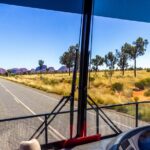
One thing to plan for: expect bumpy unsealed roads on the drive out to Patji. It’s still comfortable with air-conditioning, but the terrain is part of the experience, so it helps to have a moderate level of physical comfort with rough rides.
In This Review
- Key highlights
- Patji homelands: the off-road reason Uluru hits harder
- Small-group 4WD comfort: pickup, air-conditioning, and the rough-road reality
- Meet your Aboriginal host and start at the Cultural Centre
- Rock waterholes, old park gates, and the terrain-as-story stops
- Campfire afternoon tea: the story gets warmer than the weather
- Plants, animals, and bush food: learning that changes how you look at the desert
- Sunset on a private sand dune: unobstructed Uluru and Kata Tjuta views
- Price and value: what $279.01 buys for 7 hours in Patji
- Who should book this Aboriginal homelands tour (and who should think twice)
- Should you book it? My straight call
- FAQ
- How long is the Aboriginal Homelands Experience?
- Where do I get picked up?
- How many people are on the tour?
- What kind of vehicle do you use?
- What’s included for food and drinks?
- Is admission included?
- What should I bring or wear?
- What happens if the weather is poor?
Key highlights
- Patji homelands access by 4WD with an Aboriginal guide and traditional owner perspectives
- Campfire afternoon tea plus land-rights context around Uluru
- Rock waterholes and old park-gate site stops that connect the terrain to time
- Plants and animals for survival with chances to hear about bush food like witchetty grubs
- Private sunset sand dune with unobstructed views of Uluru and Kata Tjuta
- Max 9 people for a calmer, more personal tour pace
Patji homelands: the off-road reason Uluru hits harder
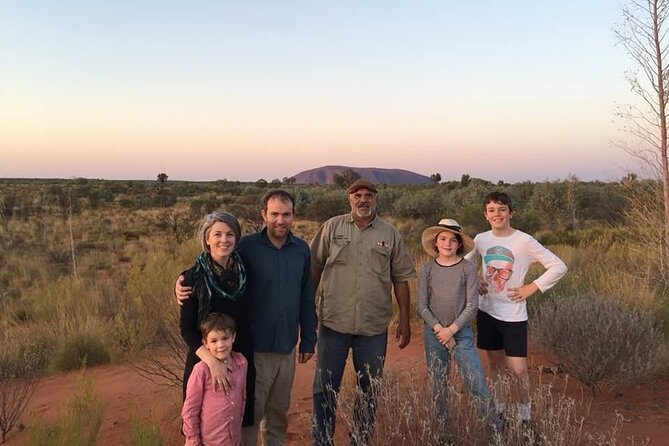
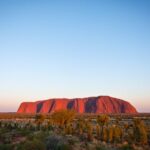
Uluru is famous for its size and color, but Patji homelands are where the meaning gets practical. This tour is built around getting you to land that’s privately Indigenous-owned and visited with permission and guidance, not just through a ticketed national-park route. That matters because it changes the “what am I seeing” question into a “how does this place work for people” question.
You’ll travel away from the main resort areas and into remote country on rugged 4WD tracks. The guide talks about how Anangu people survived in this desert environment before Europeans arrived, and how that story continues today. You’re also led through historical sites along the way, including places connected to the original Uluru-Kata Tjuta National Park gates. It’s a quiet but powerful way to understand that access, boundaries, and ownership are part of the Uluru story, not separate from it.
This is also where the oldest-living-culture angle becomes more than a slogan. You’re not just hearing terms and dates. You’re learning how plants and animals fed people, how people interpret waterholes, and how the desert supports life if you know what to look for.
You can also read our reviews of more tours and experiences in Uluru.


Small-group 4WD comfort: pickup, air-conditioning, and the rough-road reality
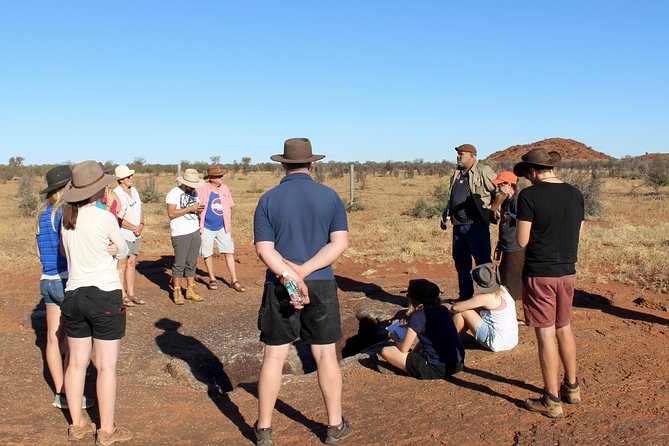
The tour runs about 7 hours, with pickup offered from Ayers Rock Resort. That convenience helps a lot because you don’t need to plan transport or figure out park logistics after a long travel day. Once you’re picked up, you ride in a 4-wheel drive Mercedes-Benz Sprinter with air-conditioning—good news in the heat.
The group stays small: up to 9 participants. That number isn’t just trivia. With a small group, you get better chances to ask questions about plants, survival, and land rights, and you’re less likely to feel like you’re stuck watching from behind other people’s phones.
The ride is still a big part of the day. You’ll leave the national park area onto unsealed roads and remote bush tracks. The driver matters here. In the experience of people who’ve done it, drivers like Jay and other guides have been praised for handling bumpy sections safely and comfortably, and for making sure you’re settled before the off-road portion begins.
Plan for moderate physical fitness. You’re not doing hiking workouts, but you are moving around in a vehicle in and out of rural stops, and you’ll want to wear covered shoes and bring sun protection. The tour asks for a full brimmed hat and sunscreen, plus bottled water.
Meet your Aboriginal host and start at the Cultural Centre
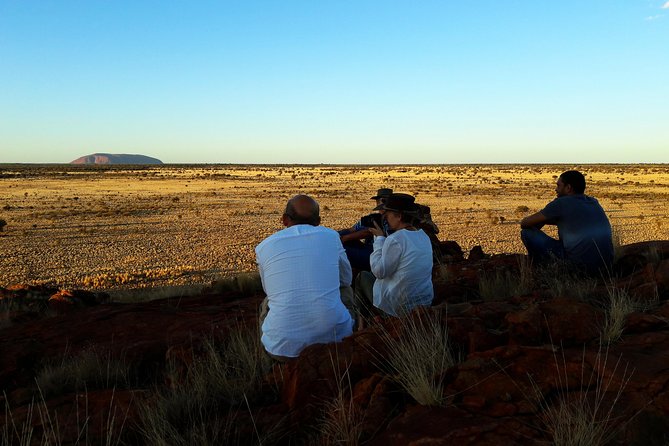
You start by meeting your Aboriginal guide at the Cultural Centre inside Uluru-Kata Tjuta National Park. This is a smart start point because it sets the tone: this isn’t a quick photo run. You’re getting context before you roll out to Patji.
From there, the day transitions off the main public route and onto Aboriginal land known as Patji. The guide helps you connect the route stops to lived experiences—how the desert provides, where certain sites sit in the family story, and what the land means beyond what’s on a map.
Some departures are led by people recognized as respected community members. For example, guides named Sammy Wilson (an elder associated with the Uluru community) and others like Andrea, Connie, and Verna have been cited in guide stories shared by previous groups. You don’t need to chase any specific name—your biggest win is the relationship you build with whoever is hosting you that day.
Rock waterholes, old park gates, and the terrain-as-story stops
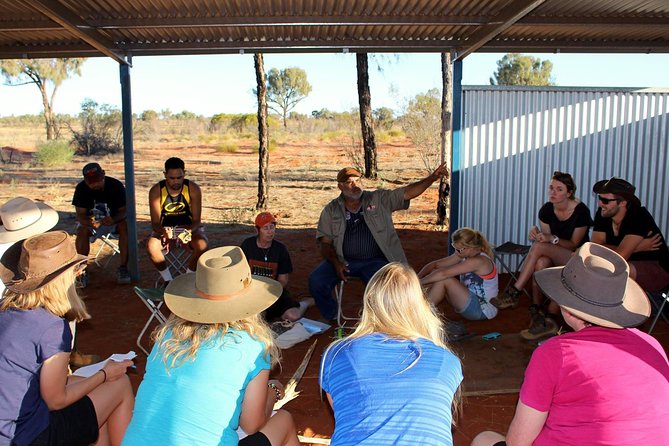
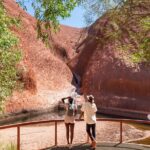
The drive isn’t just scenic. It includes stops where the land itself carries history. One of the first “pay attention” moments is reaching places tied to water—rock waterholes, plus the site where the original Uluru-Kata Tjuta National Park gates once stood.
These are the kinds of stops that make the day feel grounded. Rock waterholes are about survival, not sightseeing. You’ll hear how water sources shaped movement, seasonal routines, and where people could live and gather. It’s the sort of explanation that makes you look at the ground differently when you’re back at your hotel.
Stopping at historically important sites also helps you understand the bigger land-rights story around Uluru. The guide doesn’t keep it abstract. You’ll hear how people fought for Aboriginal land rights and how Uluru is viewed and managed today.
This is one reason the max 9 group size works well: you’re not rushed between stops. You can ask follow-up questions like Why is that waterhole important? or How do you know where to look for food?
Campfire afternoon tea: the story gets warmer than the weather
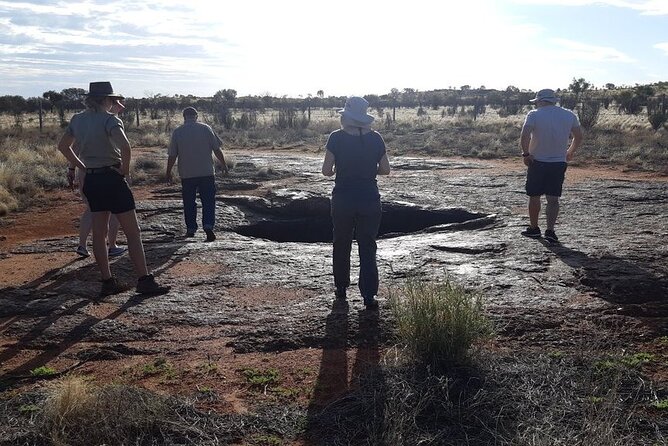
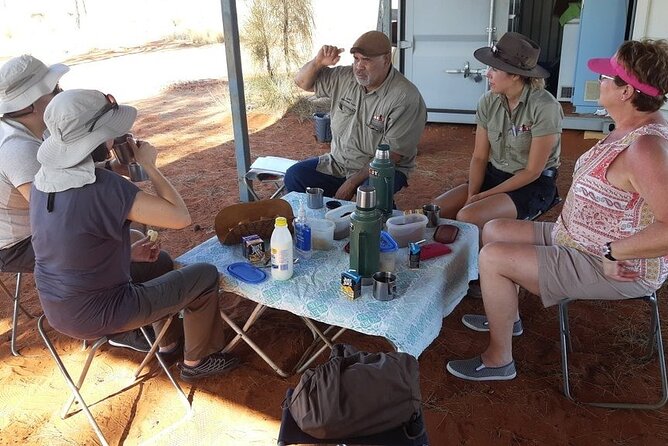
Afternoon tea is served around a campfire under a custom-built shelter, and it’s one of the most comforting parts of the day. The weather in the Red Centre can make everything feel sharper, but the campfire setting slows things down. You sit, drink something warm, and listen while the guide connects present-day life to what happened on these lands long before European arrival.
This segment often includes discussion of land rights around Uluru—what was at stake, why the community pushed for recognition, and what it means to share cultural knowledge responsibly today. Guides such as Sammy and Verna have been praised for sharing family experience and answering questions with respect and patience.
A practical note: the tour encourages you to bring bottled water, and you’ll have light drinks and snacks later at sunset too. Still, I like treating this as a half-day meal plan. Eat breakfast like normal, and don’t plan to rely on the resort between pickup and tea and sunset refreshments.



Plants, animals, and bush food: learning that changes how you look at the desert
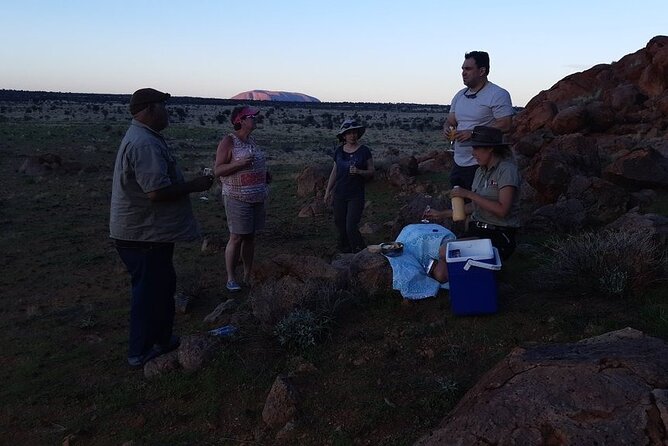
A big promise of this tour is learning about the plants and animals that supported survival in the Red Centre. You’ll hear how the landscape provides food and materials, and how knowledge of the local ecosystem matters for living here.
The strongest part is how practical it feels. The guide’s stories connect animals, plants, and seasonal timing to everyday life. In many departures, you may also get bush tucker-style tastes or snack references—past participants have described tasting things like witchetty grub and kangaroo tail, plus talk about honey plants and sweet nectar. You might also hear about digging for maku, a bush food associated with certain seasons.
You don’t need to be a food adventurer to enjoy this. Even if you don’t eat every sample, the learning is what stays with you: the idea that desert life isn’t random; it’s knowledge-based. When you return from the off-road stops and look at Uluru again later in the day, you’ll notice you’re seeing survival patterns as much as you’re seeing rock.
If you have dietary requirements, let the tour know when booking. The experience data says dietary needs should be advised at the time of booking, so don’t wait until you show up.
Sunset on a private sand dune: unobstructed Uluru and Kata Tjuta views
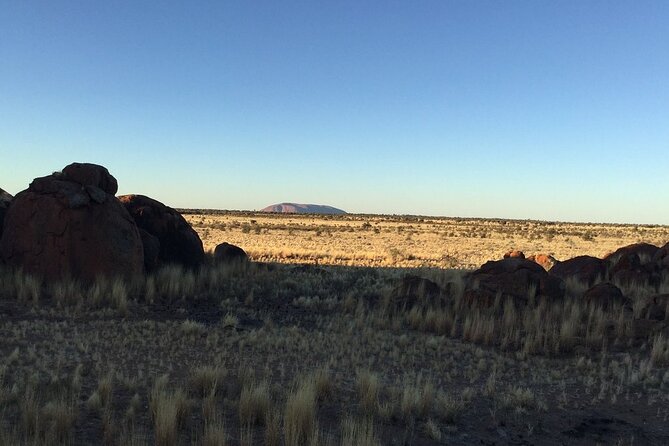
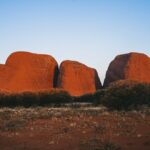
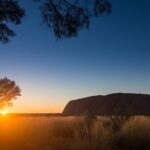
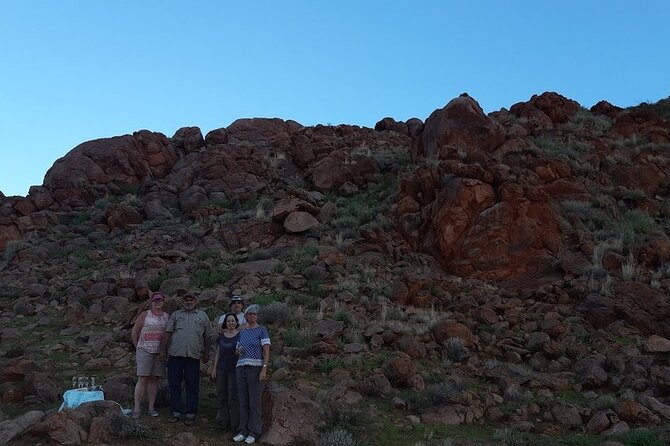
Late in the afternoon, you head along remote bush tracks to a private sand dune with unobstructed views of Uluru and Kata Tjuta. This is where the tour’s pacing pays off. Instead of doing sunset as a scramble, you arrive, settle in, and watch the sky shift colors while the rock tones change.
Light snacks and drinks are included at this stop. That matters because it turns the sunset from a quick viewing task into an actual sitting moment. You’re there long enough to notice the way light moves across the rock faces and the way the distance holds both Uluru and Kata Tjuta in the same frame.
In the experience of past groups, this viewing spot has been called beyond-the-masses, with the bonus that it’s away from the biggest crowd spillover you might see at more standard viewpoints. You’ll also get a farewell back at the Cultural Centre after sunset.
Then your guide drives you back to Ayers Rock hotels, ending the tour.
Price and value: what $279.01 buys for 7 hours in Patji
At $279.01 per person for a roughly 7-hour afternoon tour, you should look at what’s included—not just the headline cost.
What you’re paying for, based on the experience details:
- Aboriginal guide hosting and traditional owner access to Patji homelands
- Transport by 4WD off-road through remote tracks
- Stops at historical sites and cultural points like the old park gates location and rock waterholes
- Afternoon tea around the campfire
- Light drinks and snacks at sunset
- Pickup and return from Ayers Rock Resort
- Admission ticket free is listed for the activity
That combination is the value story. Many Uluru tours stop at the viewpoint and call it a day. This one includes the cost of getting into private Indigenous-owned land and having time for teaching and conversation, plus food and a real sunset viewing.
One extra clue about demand: this tour is booked on average 88 days in advance. That’s not a guarantee you’ll get your preferred time, but it does suggest it’s one of the experiences people plan early to secure a spot.
If you want the cheapest option, this likely won’t be it. If you want a more intimate, education-forward day with meaningful land access, the price starts to make sense.
Who should book this Aboriginal homelands tour (and who should think twice)
This tour is a great fit if you:
- want off-road access to Patji, not just a roadside view of Uluru
- enjoy learning from an Aboriginal guide through stories about survival, plants, and animals
- value a small-group format where questions feel natural
- care about land rights context around Uluru, not only rock scenery
It may be less ideal if you:
- need a very smooth, paved-ride experience only (the road is part of the day)
- dislike time spent sitting for tea and sunset, since the day includes campfire and viewing time
- have very limited tolerance for unsealed roads, even though the activity is described as requiring moderate physical fitness rather than heavy hiking
Also, bring the right gear. Covered shoes, a full brimmed hat, sunscreen, and bottled water are specifically called out for a reason: you’ll be outside in bright conditions.
Should you book it? My straight call
I’d book this if your Uluru trip includes a serious interest in how people relate to the land—how survival knowledge lives in place names, water sources, plants, and family stories. The off-road access to Patji, the campfire tea pacing, and the private sunset sand dune together create a day that feels more like learning from a host than collecting stamps.
I’d think twice only if you’re extremely sensitive to rough unsealed roads or you’re mainly in it for a quick photo moment. If that’s your priority, you might find other viewpoints simpler.
But if you want Uluru to feel personal and real—tied to Anangu experience—this is one of the better ways to get there.
FAQ
How long is the Aboriginal Homelands Experience?
It runs for about 7 hours.
Where do I get picked up?
Pickup is offered from Ayers Rock Resort.
How many people are on the tour?
The tour is capped at a maximum of 9 travelers.
What kind of vehicle do you use?
You’ll ride in a 4-wheel drive Mercedes-Benz Sprinter with air-conditioning.
What’s included for food and drinks?
Afternoon tea is included around the campfire, and light drinks and snacks are included at sunset.
Is admission included?
The activity lists an admission ticket as free.
What should I bring or wear?
Wear covered shoes, bring a full brimmed hat and sunscreen, and bring bottled water. If you have dietary requirements, advise them at booking.
What happens if the weather is poor?
The experience requires good weather. If it’s canceled due to poor weather, you’ll be offered a different date or a full refund.