REVIEW · ALICE SPRINGS
Alice Springs Desert Park Nocturnal Tour
Book on Viator →Operated by Alice Springs Desert Park · Bookable on Viator
Desert nights show a different Alice Springs. At 8:00 pm, a small group and your guide lead you into the predator-proof Mulga Walk enclosure with a head torch, so the desert really wakes up around you. One thing to plan for: getting to the courtyard can be tricky in the dark, and ride-hailing like Uber can be limited, so give yourself a wide buffer and arrive 15 minutes early.
I love that this isn’t just a daytime park after hours—it’s a guided explanation of how central Australia’s animals and plants time their lives to cooler temperatures. You’ll move through the enclosure as nocturnal creatures emerge, with real chances to spot species like mala, bilbies, and echidnas, plus other local critters you’d miss in daylight.
In This Review
- Key Things You’ll Love in the Nocturnal Tour
- Why the 8:00 pm Desert Park Walk Feels Worth It
- Meet at the Courtyard: Your Real Start Time
- Mulga Walk Enclosure: A Predator-Proof Habitat You Can Actually Walk Through
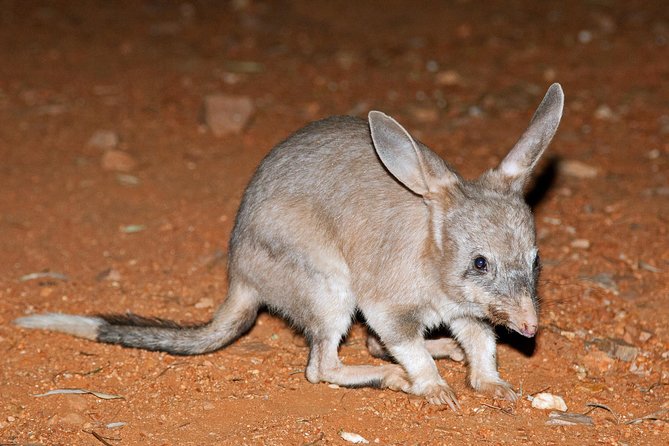
- What You’ll See: Mala, Bilbies, Echidnas, and Other Night Movers
- How the Guide Changes the Entire Experience
- The Real Itinerary: From Torch Fitting to the 45-Minute Enclosure Walk
- Price and Value: What $263 Buys in the Desert
- Practical Tips That Make the Night Walk Easier
- Who This Tour Fits Best (and Who Might Want Another Option)
- Should You Book This Nocturnal Tour?
- FAQ
- How long is the Alice Springs Desert Park Nocturnal Tour?
- What time does the tour start?
- Where does the tour meet?
- What’s included in the price?
- Do I need special shoes?
- Can children join the tour?
- What if the weather is poor or I need to cancel?
Key Things You’ll Love in the Nocturnal Tour
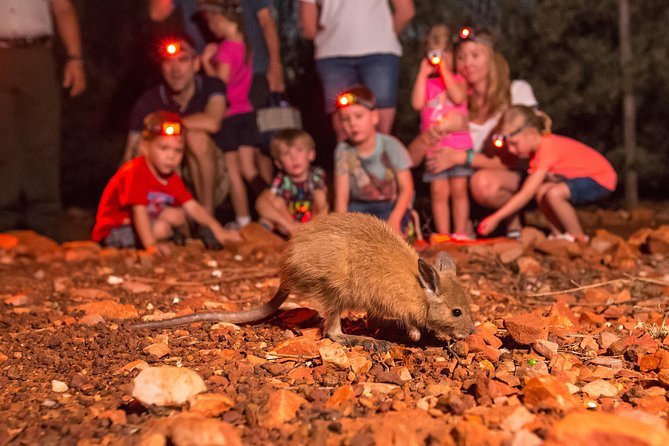
- Small group of up to 10 keeps the pace relaxed and questions welcome
- Predator-proof Mulga Walk lets you walk in the habitat without the usual safety barriers
- Head torch provided means you’re not fumbling gear while the action starts
- Nocturnal timing: you’re there when the desert shifts into nighttime behavior
- Endangered species focus gives purpose to every animal sighting
- Admission included for the main walking time in the park
Why the 8:00 pm Desert Park Walk Feels Worth It
Most people hit Alice Springs Desert Park in daylight. This tour flips the script by putting you in the park after dark, when the air is cooler and animals that hide during the day begin to move. That temperature change isn’t just atmospheric—it shapes what you can see and what the guide talks about while you walk.
The timing also works in your favor. A nocturnal walk tends to feel quieter and less rushed, so you can actually pay attention to movement in the grass, ear flicks, or subtle scurrying near the ground. And with a maximum of 10 travelers, you’re less likely to get swept into a crowd and forced to “catch up” with the group.
You can also read our reviews of more tours and experiences in Alice Springs.
Meet at the Courtyard: Your Real Start Time
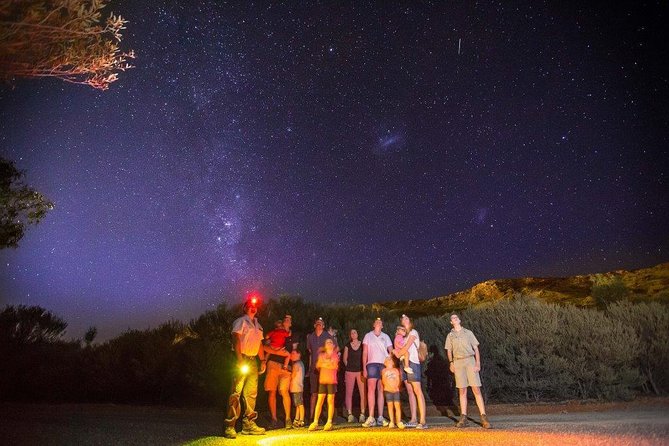
The experience begins at Alice Springs Desert Park, located on Flynn NT 0875. You’ll meet your guide in the courtyard, then get fitted with a specialized head torch before you head into the enclosure. The start time is 8:00 pm, and the tour runs about an hour total.
This is one of those tours where “almost on time” can turn into “now what?” If you’re driving, I’d treat this like a mission. One past experience included confusion about finding the meeting spot after the start time, with no clear signs visible in the dark, so arriving 15 minutes early isn’t just a suggestion—it’s the easiest way to protect your evening.
Also note: the tour ends back at the same meeting point. That means you’ll want a solid plan for the trip back to your accommodation after the walk, especially because getting around can be awkward once it’s late.
Mulga Walk Enclosure: A Predator-Proof Habitat You Can Actually Walk Through
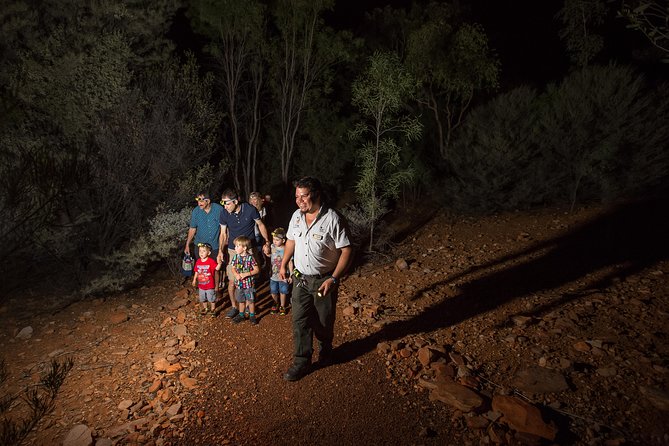
The heart of the tour is the Mulga Walk enclosure. It’s predator-proof, and that matters because it changes the whole feel of the experience. You’re not just peering from outside a barrier—you’re walking inside a protected environment where endangered species can live and be monitored.
As you go in, the guide ties what you’re seeing to how life works in Central Australian deserts. You’ll hear how animals and plants adapt to nighttime conditions, especially as temperatures cool and the day-to-night cycle kicks in. That gives your sightings context, instead of turning them into random moments you try to explain later.
One practical upside: because it’s an enclosed walk, the park is built for this exact type of night experience. You still need to be comfortable walking on the ground, but you’re doing it in a habitat designed for viewing at night rather than trying to “invent” your own route in the dark.
What You’ll See: Mala, Bilbies, Echidnas, and Other Night Movers
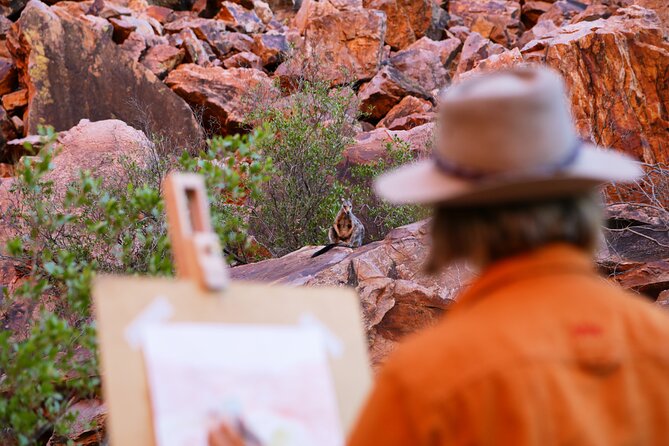
Wildlife sightings are never guaranteed, but the whole point here is that you’re present when nocturnal behavior ramps up. As you follow your guide through the enclosure, you’ll watch for endangered and nocturnal species that emerge from daytime shelters.
Based on the species mentioned for this tour, keep your eyes low and slow. You might spot:
- Mala (a small ground-dwelling mammal)
- Echidnas (often admired because they’re so distinctive up close)
- Bilbies (a standout in Australia’s desert ecosystem)
- Other animals native to the foothills of the MacDonnell Ranges
One review detail that’s worth taking seriously: some people describe seeing echidnas very close—so don’t assume you’ll only spot wildlife at a distance. That’s another reason enclosed walking shoes matter. You’ll likely be watching the ground and moving carefully, and you want stable footing when the guide points something out.
If you’re hoping for the “big wow” animal moment, mala is one of the species frequently singled out. And because mala is a ground-dweller, you’ll do best when you slow down—no rushing ahead, no stepping where you can’t see clearly.
How the Guide Changes the Entire Experience
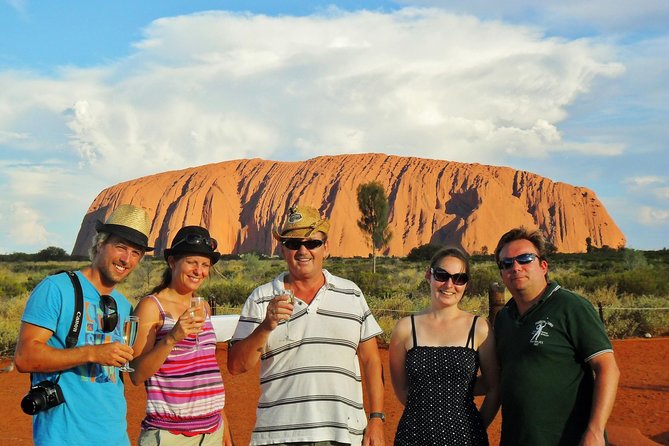
A good wildlife walk is partly about the animals and partly about interpretation. Here, the guide provides the context you’d miss on your own—why animals choose nighttime activity, what strategies they use to survive, and how conservation shapes what you can learn in the park.
The tone seems to be practical and close to the ground. Guides explain behavior, conservation, and the delicate balance of life in Australia’s central desert. That’s important because the desert can look empty if you don’t know what you’re watching. With a guide, you start noticing patterns: what moves, what pauses, and what stays hidden until conditions are right.
You may even hear from guides who are especially animated about specific species. One guide name mentioned in past experiences is Krista, and at least one group called out her knowledge and enthusiasm during the walk. You can’t count on a specific guide, but it’s a good sign that the tour often relies on people who genuinely enjoy translating wildlife behavior into something you can understand quickly.

The Real Itinerary: From Torch Fitting to the 45-Minute Enclosure Walk
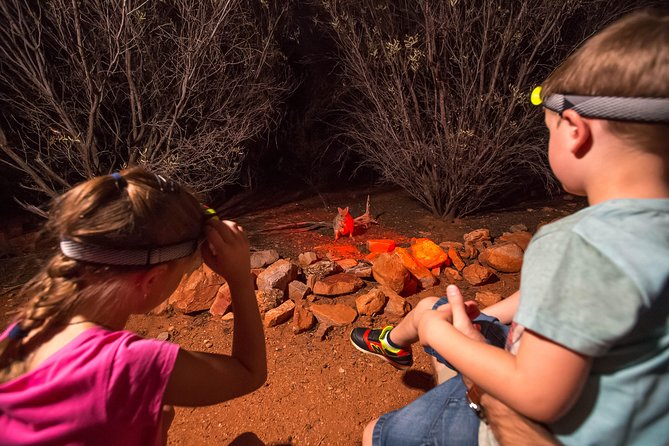
The itinerary is beautifully simple, which is why it works. You’ll spend about 45 minutes in the Mulga Walk enclosure, and the included admission ticket covers the main park time connected to the night walk.
Here’s how that typically feels in real life:
- You arrive and meet your guide in the courtyard.
- You get your head torch fitted, then the group sets off together.
- You walk through Mulga Walk as the guide talks you through adaptations and what to look for.
- You watch for nocturnal species as they emerge.
The “simple” part is the key. With only one main stop, there’s less time wasted transferring between areas and more time focusing on what the night reveals. If you’re the type who enjoys walking slowly and listening closely, you’ll get more out of this than a checklist-style attraction.
Price and Value: What $263 Buys in the Desert
At $263, this isn’t a budget activity. So the question isn’t just whether it’s expensive—it’s whether it’s efficient value.
For your money, you get:
- A small-group guided walking experience (maximum 10 travelers)
- A professional guide providing interpretation, not just supervision
- Admission included for the portion of the park tied to the nocturnal walk
- A head torch setup so you can see and navigate safely
You’re also paying for timing. The tour is scheduled at night, when fewer visitors go. That reduces crowd pressure and increases your odds of a calm, focused experience—plus the guide’s whole talk is built around nighttime behavior.
If you’re deciding between a daytime pass and a paid night walk, I’d think of it like this: daytime shows you what the park looks like. This evening tour explains how the desert works after dark—and you’re there while that shift happens.
Practical Tips That Make the Night Walk Easier
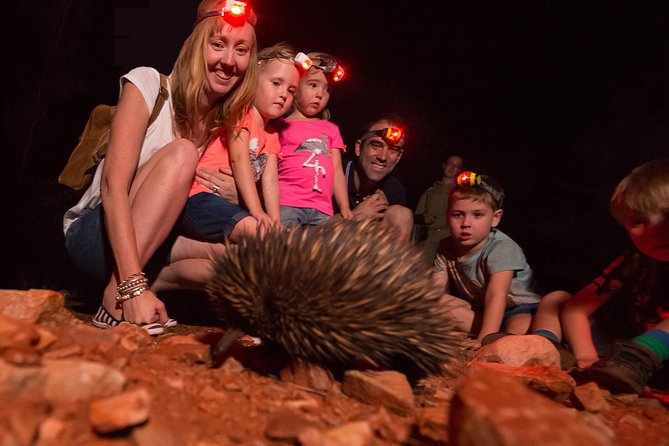
Even a well-run tour can feel harder when you’re underprepared. The tour asks for enclosed walking shoes, and that’s not optional. The night walk format means you’ll likely be watching the ground, stepping carefully, and staying stable while the guide checks back with the group.
Bring warm layers if you’re visiting in winter, because “cooler desert temperatures” at night can still feel chilly. Also dress for all-weather operation: the tour operates in all weather conditions, but the experience requires good weather, and if it’s canceled due to poor weather you’ll be offered another date or a full refund.
A couple more practical notes:
- Use a phone for directions ahead of time, and don’t rely on late-night navigation in the moment.
- Plan your return to your accommodation as if it will be a little inconvenient.
One practical hint from real-world experience: if you’re counting on rideshare, don’t assume it will be easy to hail something after dark. Give yourself a Plan B.
Who This Tour Fits Best (and Who Might Want Another Option)
This works best if you like small-group experiences, hands-on viewing, and learning wildlife behavior rather than just taking photos. If you’re curious about how animals adapt to desert life and you enjoy walking at a steady pace, you’ll likely have a great time.
It also fits families, with one condition: children under 16 must be accompanied by an adult. The tour notes that most travelers can participate, and at least one past experience mentions the guide accommodating a husband with a scooter. If you have mobility needs, you should plan ahead and ask questions before you go so the walking section matches your situation.
If you don’t like walking, or you expect a long, dramatic wilderness hike, you might feel underwhelmed. This is about a guided nighttime enclosure walk, not an all-night expedition.
Should You Book This Nocturnal Tour?
Yes—if you want the desert to teach you something after dark. For the price, you’re buying a guided, protected, nighttime experience that brings rare species into focus and gives you the conservation and behavior context that makes the sightings meaningful.
I’d especially book it if:
- you’re already planning a desert park visit and want to see the other side of the ecosystem
- you enjoy small groups and guided explanations
- you’re okay spending time watching closely rather than rushing for the next stop
I’d think twice if you’re worried about night navigation or you don’t want to dress for cooler conditions and enclosed footwear. In that case, a daytime visit might feel simpler.
FAQ
How long is the Alice Springs Desert Park Nocturnal Tour?
It runs for about 1 hour total, with around 45 minutes spent in the predator-proof Mulga Walk enclosure.
What time does the tour start?
The start time is 8:00 pm, and you should arrive about 15 minutes early.
Where does the tour meet?
You meet at Alice Springs Desert Park, Flynn NT 0875, Australia, and the tour ends back at the same meeting point.
What’s included in the price?
The tour includes a small-group walking tour, admission for the nocturnal walk, and a professional guide. A mobile ticket is used.
Do I need special shoes?
Yes. Enclosed walking shoes are required for the walking portion in the enclosure. Warm clothing is recommended in winter.
Can children join the tour?
Children under 16 must be accompanied by an adult.
What if the weather is poor or I need to cancel?
The experience requires good weather. If it’s canceled due to poor weather, you’ll be offered another date or a full refund. You can cancel up to 24 hours in advance for a full refund.
If you want, tell me your travel month and whether you’re driving or relying on transport from town, and I’ll suggest a low-stress plan for getting there and back.