REVIEW · ALICE SPRINGS
Alice Springs: Royal Flying Doctor Service Museum Entry
Book on GetYourGuide →Operated by Royal Flying Doctor Service Alice Springs Tourist Facility · Bookable on GetYourGuide
Care in the outback, delivered by aircraft. At the Royal Flying Doctor Service Museum in Alice Springs, you’re not just looking at old photographs—you’re walking through the original 1939 working base, where the story is told with tech, models, and hands-on-feeling experiences.
I love that the setting is the original Radio Station House, so the displays feel anchored in how this service actually started. I also love the “how it works” moments: a life-size hologram of Rev. John Flynn and an aircraft replica that lets you experience the patient side at 15,000 feet.
One drawback to consider: it’s mostly an indoor, guided-by-displays visit, so if you’re hoping for lots of outdoor time or a slow, scenic roam, you’ll need to pair it with other Alice Springs plans.
In This Review
- Key highlights you’ll actually remember
- Royal Flying Doctor Service Museum in Alice Springs: what you’re really seeing
- Walking into the original 1939 Radio Station House base
- The air-conditioned Flynn theater and the Rev. John Flynn hologram
- Pilatus PC12 replica: what it’s like to be a patient at 15,000 feet
- Historic radios and medical equipment: the tech reality before phones
- Model aircraft through the decades: how the fleet evolved
- Meet Alf Traeger and Nurse Kathy with interactive tech
- RFDS virtual reality: seeing the work from the pilot side
- Price and value: is $15 worth it for a 1-day museum entry?
- Who should book this RFDS Museum entry?
- Should you book the Royal Flying Doctor Service Museum entry?
- FAQ
- Where is the meeting point for the RFDS Museum entry?
- How long is the experience valid?
- What is included in the air-conditioned theatre experience?
- Do I get to see a hologram of Rev. John Flynn?
- Is there a replica aircraft included?
- What other exhibits are part of the museum?
- Is there virtual reality in this experience?
- Is the museum entry wheelchair accessible?
Key highlights you’ll actually remember
- Original 1939 RFDS base in the Radio Station House, not a generic museum set-up
- Life-size hologram of Rev. John Flynn telling the story behind Flynn of the Inland
- Pilatus PC12 replica experience designed to make you feel like a patient at 15,000 feet
- Historic radios and medical equipment, including the Traeger Pedal Radio
- RFDS virtual reality and interactive storytelling with Alf Traeger and Nurse Kathy
- Model aircraft by decade, showing how the RFDS fleet evolved over time
Royal Flying Doctor Service Museum in Alice Springs: what you’re really seeing
This isn’t a museum that talks in big, vague terms. It focuses on one clear idea: how a remote community can get medical help when distances and communication are brutal. The Royal Flying Doctor Service Museum in Alice Springs uses real artifacts and clever presentation tech to connect the dots between radios, aircraft, and patient care.
If you like practical history—how people solved a problem with the tools they had—this visit clicks fast. The story is centered on the Reverend John Flynn, often linked with the Inland vision, and you’ll see how that belief turned into a service that kept growing.
And it’s not only about the past. The museum’s technology-heavy pieces help you understand the workflow: how contact was made, how medical decisions were supported, and how flying changed the odds for isolated outback communities.
You can also read our reviews of more tours and experiences in Alice Springs.

Walking into the original 1939 Radio Station House base
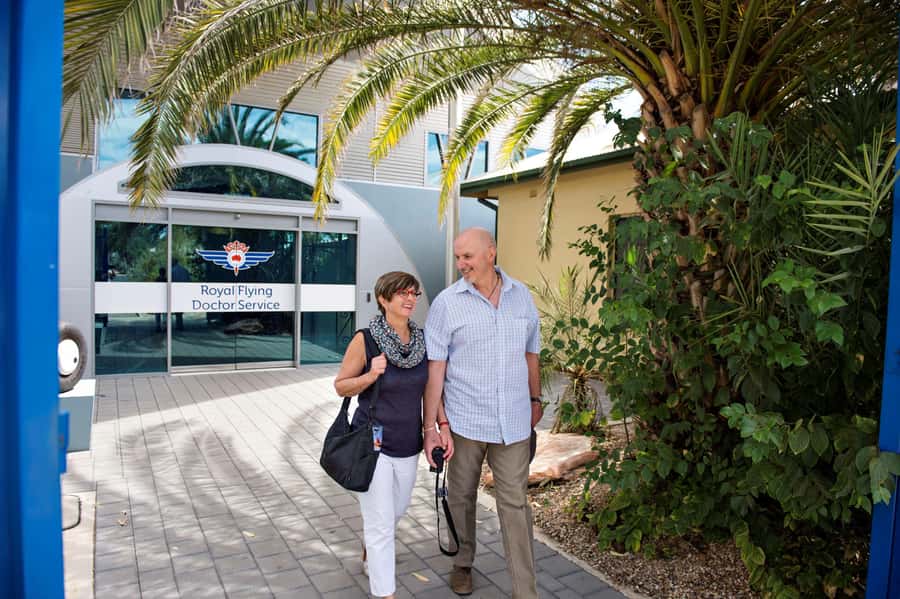
Your visit is built around the Royal Flying Doctor Service Alice Springs working base, which commenced in 1939. That matters more than you’d think. When exhibits sit inside the original base, you read them differently—you imagine the rooms alive with radio operators, schedules, and urgent calls.
The museum is located in the original Radio Station House. You’re basically stepping into the birthplace setting. That placement gives the rest of the displays extra weight: radios aren’t just labeled objects; they’re tools in a real system.
Expect to spend time orienting yourself first—look around, scan the exhibit areas, and get a feel for the timeline. Then the story pieces start making more sense, especially when you move into the theater presentation and aircraft experience.
The air-conditioned Flynn theater and the Rev. John Flynn hologram
One of the most memorable parts is the air-conditioned theater experience. You’ll watch a story presented through a life-size hologram of Rev. John Flynn, portrayed by an actor. This isn’t a generic biography. It’s framed around Flynn’s vision—if you start something worthwhile, nothing can stop it—and how that belief translated into the RFDS you know today.
I like this theater format because it gives you context before you start clicking through exhibits. You’re not hunting for meaning while you’re also trying to read labels. The hologram presentation acts like a timeline anchor, especially if your outback Australian history is still forming.
Tip: don’t treat the theater as a quick sit. Let it set up your attention. When you later see historic radios and medical kit displays, the “why” is already in your head.
Pilatus PC12 replica: what it’s like to be a patient at 15,000 feet
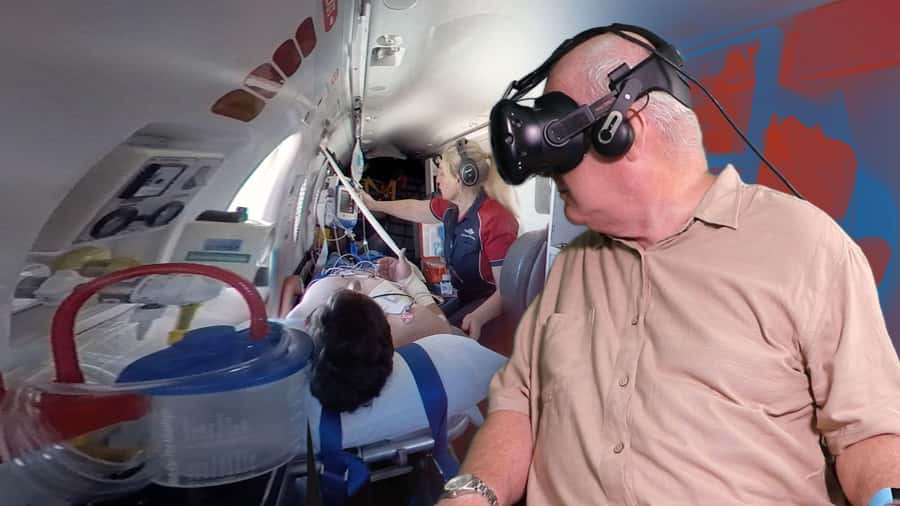
The museum doesn’t stop at explaining aircraft in flat terms. It includes a replica of a Pilatus PC12, and the experience is designed around the patient side at 15,000 feet.
You’ll walk into a simulation-like setup that aims to reproduce the feeling of being treated while airborne. The value here is simple: it helps you grasp why the RFDS was such a game-changer. In remote areas, getting a doctor in person isn’t always possible, but bringing medical support through aviation changes what’s survivable.
This is also a good stop if you learn best through experience rather than reading. Even if you don’t leave with technical aviation details, you’ll likely leave with a clearer emotional understanding of the service’s mission.
And since the museum pairs this with medical equipment displays and radio history, the PC12 moment doesn’t feel random. It’s connected to the larger system of communication and care.
Historic radios and medical equipment: the tech reality before phones
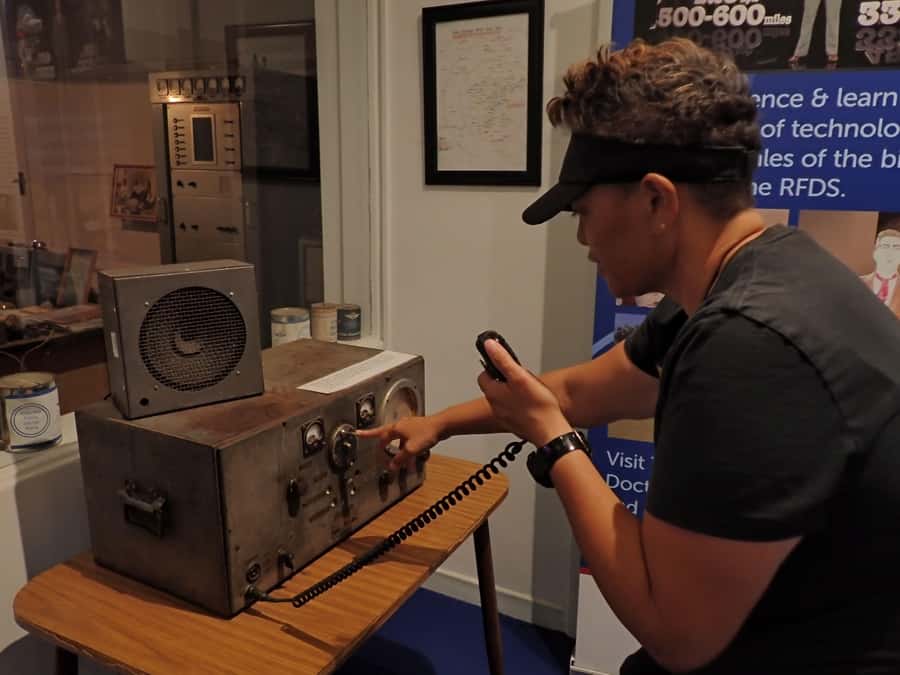
In the museum, you’ll see historic radios and medical equipment that would have been used during the RFDS flights of the past. This is where the museum becomes more than a story—it becomes a snapshot of day-to-day constraints.
A standout exhibit is the Traeger Pedal Radio. It’s a reminder that communication used to mean something physical and mechanical, not just pressing a button. The museum also covers what it was like to communicate before telephones were invented, which helps you understand how urgent requests could travel across huge distances.
I appreciate this angle because it makes the RFDS story feel grounded. It’s not only about airplanes and bravery. It’s about the messy, technical chain that has to work: signal, contact, coordination, and then flight.
If you’re the kind of traveler who enjoys how systems work (rather than only famous faces), carve out extra time here. Slow down for the labels. This part rewards attention.



Model aircraft through the decades: how the fleet evolved
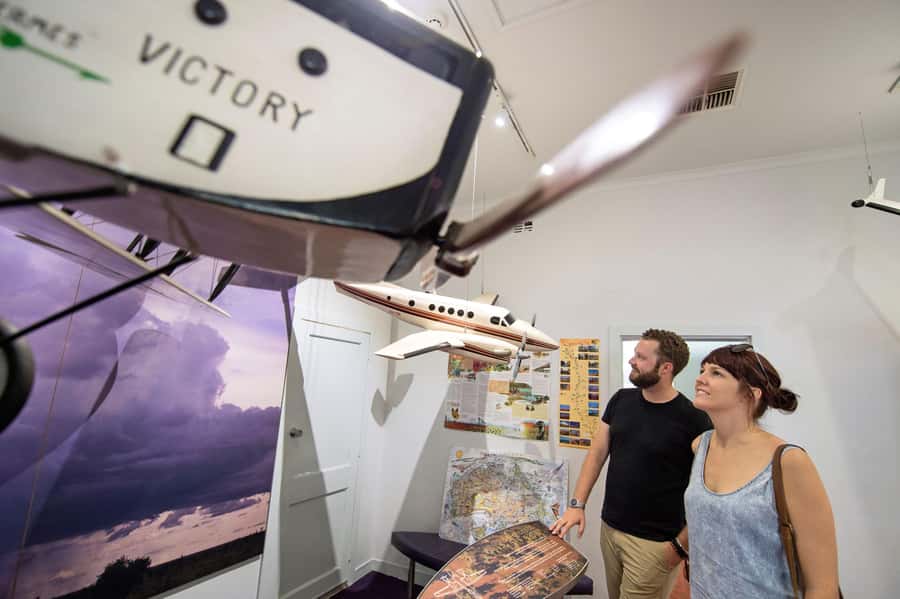
Another smart feature is the museum’s evolution display using model aeroplanes that walk you through the decades. The point isn’t to turn the visit into a plane-spotting contest. It’s to show how the RFDS adapted over time—how aircraft choices and needs changed as the service grew.
This decade-by-decade approach helps you understand that the RFDS didn’t stay frozen in one era. It kept evolving, and you can see that evolution visually through the model progression.
When paired with the Pilatus PC12 replica, the models give you a wider frame: yes, you’re seeing a specific aircraft today, but the bigger story is that the service kept adjusting its tools to meet the demands of outback medicine.
If you’re short on time, prioritize the plane evolution models after you’ve done the PC12 patient experience. You’ll “read” the fleet changes with more meaning.
Meet Alf Traeger and Nurse Kathy with interactive tech
You can meet Alf Traeger and Nurse Kathy through interactive technology. This is one of those parts that feels designed for different learning styles: if you like stories and people, you’ll enjoy the character-driven format; if you prefer systems, you can still use it to understand roles and responsibilities.
Interactive tech also helps break up the visit so you’re not only sitting through presentations or staring at static displays. Even if you move quickly, these moments tend to refresh your attention and keep you engaged.
I’d treat this as a chance to connect the dots: pilots, engineers, doctors, nurses, and patient care are all part of the same mission. The interactive elements make that team concept easier to grasp.
RFDS virtual reality: seeing the work from the pilot side
The museum also includes an RFDS virtual reality experience that gives you a perspective on flying with an RFDS pilot. The goal is perspective, not technical instruction. You’re getting a feel for how the operation looks when you’re in the pilot’s world.
This is valuable because it adds one more layer to the chain of care. You already learn about radios and medical equipment. You’ve experienced the patient side in the PC12 replica. Now you get a sense of what the aircraft part requires.
If you’re traveling with family or anyone who gets restless with reading, virtual reality usually keeps the energy up. It also makes the museum more than just a history walk—it becomes a multi-format experience.
Price and value: is $15 worth it for a 1-day museum entry?
At $15 per person, this entry price is reasonable for a museum that mixes several formats: a theater presentation with a life-size hologram, an aircraft replica experience, historic radio and medical equipment displays, model aircraft by decade, interactive character tech, and a virtual reality component.
In other words, you’re not paying for one exhibit. You’re paying for multiple different ways to learn the same story. The value is in the variety plus the fact that the museum sits on the original working base setting from 1939.
For me, the key value question isn’t whether you like aircraft or whether you love history. It’s whether you want a clear, emotional and practical understanding of how remote medical care works in Australia. If yes, $15 feels like a solid deal.
Who should book this RFDS Museum entry?
This visit fits especially well if you:
- Want a focused stop in Alice Springs that’s educational and tied to a real working origin site
- Enjoy hands-on-feeling tech experiences like VR and interactive displays
- Like outback Australian history that explains both the human mission and the communication/technology backbone
- Travel with mixed ages and interests, since there are multiple experience styles (theater, replica, VR, interactive tech)
If you’re only into outdoor sights, you may find you want more time outside after this. But as a standalone cultural stop, it lands with more impact than many quick museum entries.
Should you book the Royal Flying Doctor Service Museum entry?
Yes—if you want a meaningful Alice Springs experience that’s grounded in how the RFDS started and why it matters today. The mix of the 1939 original base setting, the life-size hologram storytelling, the patient-at-15,000-feet PC12 replica, and the historic radio and medical equipment exhibits makes this more than a typical walkthrough.
If you’re short on time, still prioritize the Flynn theater and the PC12 patient replica. Those two elements give you the clearest sense of the mission—then everything else clicks into place.
FAQ
Where is the meeting point for the RFDS Museum entry?
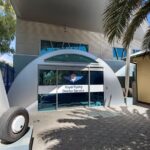
The meeting point is the Royal Flying Doctor Tourism Facility.
How long is the experience valid?
It’s valid for 1 day. You’ll want to check availability to see starting times.
What is included in the air-conditioned theatre experience?
The included air-conditioned theatre experience features a hologram presentation of Rev. John Flynn.
Do I get to see a hologram of Rev. John Flynn?
Yes. There is a hologram presentation featuring Rev. John Flynn telling the story of the RFDS.
Is there a replica aircraft included?
Yes. You’ll see and experience a replica of a Pilatus PC12, including an experience designed to feel like being a patient at 15,000 feet.
What other exhibits are part of the museum?
You’ll find historic radio and medical equipment displays, and model aeroplanes that show the evolution of RFDS aircraft through the decades.
Is there virtual reality in this experience?
Yes. There is an RFDS virtual reality experience that lets you experience flying with an RFDS pilot.
Is the museum entry wheelchair accessible?
Yes, the experience is wheelchair accessible.