REVIEW · YULARA
Best of Uluru – Segway and Walking Tour
Book on GetYourGuide →Operated by Uluru Segway Tours · Bookable on GetYourGuide
Segways make Uluru feel effortless. This tour pairs a calm, scenic ride with real on-foot time at Mutitjulu Waterhole and the cave country of the Mala Walk.
I especially liked how the experience starts with solid Segway training and a patient guide setup. I also loved the way the tour links what you’re seeing on Uluru with Anangu culture, from rock art to the meaning of specific sites like Mutitjulu Waterhole.
The main thing to consider is that you will walk some sections, and there are firm limits if you have mobility issues or can’t comfortably ride a Segway.
In This Review
- Quick take: what makes this Uluru tour tick
- From your pickup to the first glide: where the tour starts strong
- Segway training (and why it works for most first-timers)
- Kantju Gorge and the walking segment before the main ride
- The Uluru Segway ride: a scenic quarter of the base, with stops for meaning
- Mutitjulu Waterhole on foot: where the stories feel close
- Mala Walk and the cave country: getting up close, not just looking
- Price and value: what you’re really paying for at $119
- What’s included (and what isn’t) so there are no surprises
- Who should book, and who really shouldn’t
- Practical tips that make the day smoother at Uluru
- Should you book the Best of Uluru Segway and Walking Tour?
Quick take: what makes this Uluru tour tick
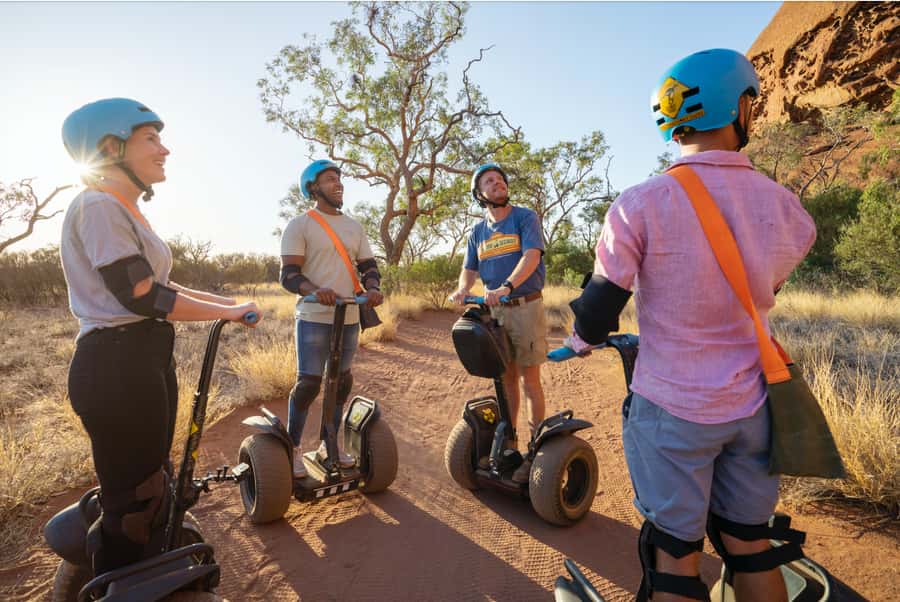
- 30-minute Segway training plus a practice run, so first-timers can keep up
- Small group (up to 10), which helps with pace and photos
- Mutitjulu Waterhole on foot (guided), with sights and sounds explained
- Mala Walk and caves for a closer look at Uluru’s cultural geography
- Kantju Gorge guided stop before the main Segway ride
- Transfer included from multiple Ayers Rock Resort-area pickups
From your pickup to the first glide: where the tour starts strong

Uluru tours live or die by how they handle the start, and this one is built around a smooth transition from your hotel. You get picked up from within the Ayers Rock Resort area (plus a nearby Outback Pioneer option), then you ride in a comfortable transfer to the tour base.
That transfer time matters more than you think. It helps everyone regroup, meet the team, and get ready before you start moving around Uluru’s base area.
You can also read our reviews of more walking tours in Yulara
Segway training (and why it works for most first-timers)
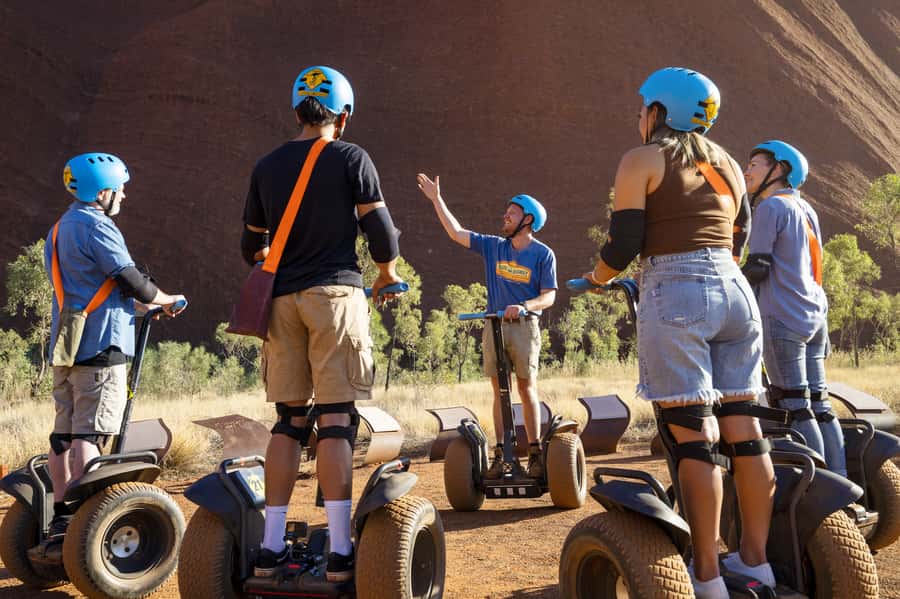
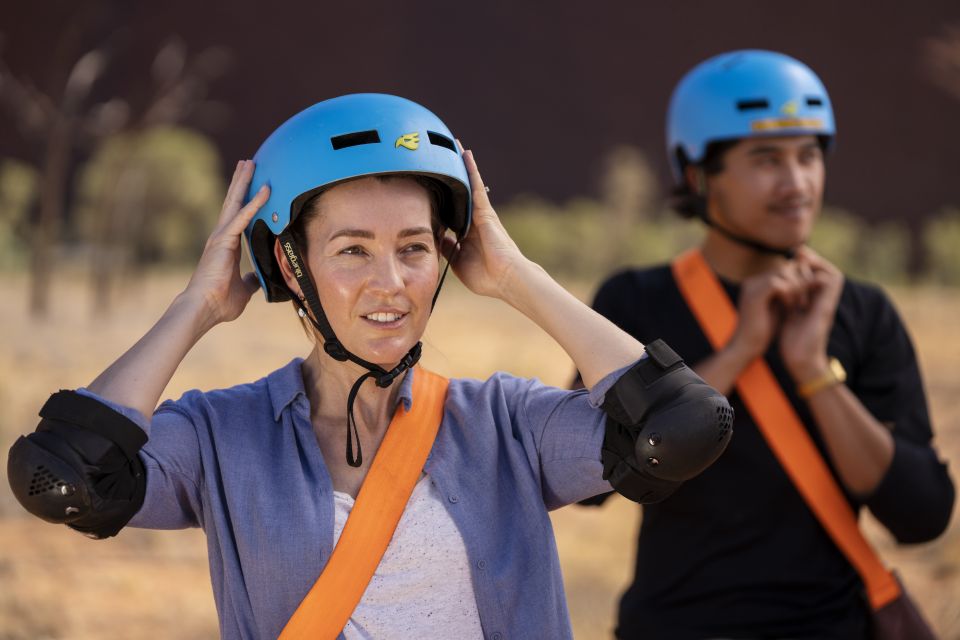
Before you cruise Uluru, you’ll get Segway training that includes a safety briefing and a short practice ride. The key is that you’re not just handed a Segway and told to go. You learn the basics first, then you build confidence as the guide stays close.
In the reviews, I saw a repeating theme: guides were patient with learning, and the instruction felt calm rather than rushed. Names that came up included Sye, Nick, Jess, Britney, and Sam, and the common thread was supportive coaching so you can focus on the view instead of fighting the controls.
You also want to take this part seriously. Wear your closed-toe shoes, keep your balance, and follow the guide’s instructions, because the tour’s best moments happen when you’re relaxed on the Segway.
Kantju Gorge and the walking segment before the main ride
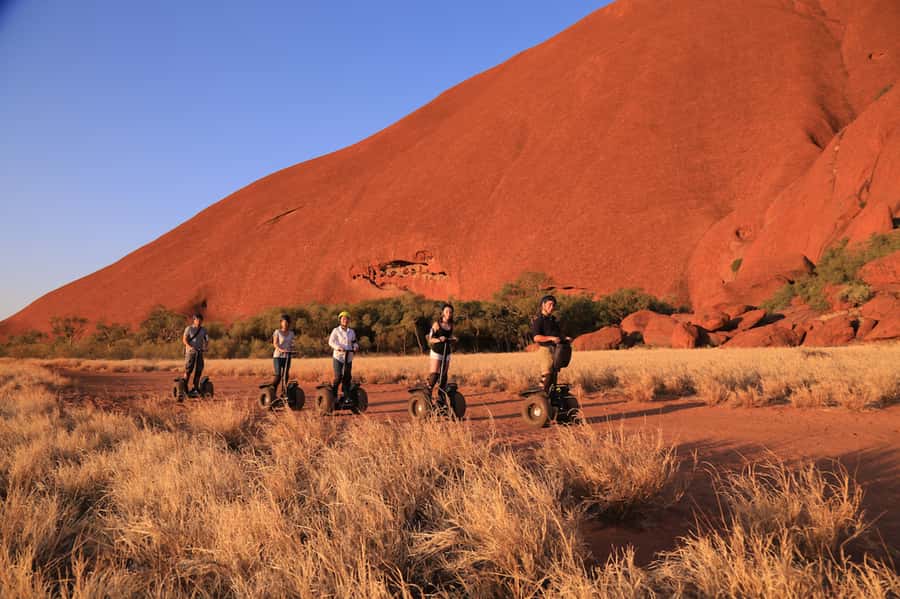
The day doesn’t jump straight to Segways. After the transfer, you head to Kantju Gorge for a guided stop that’s about 45 minutes, where you’ll get context for what you’re about to see.
This stop is a smart pacing move. You get a leg-stretch and some cultural and natural interpretation before you settle in for the longer scenic ride. If you’re the type who likes to understand the land before you photograph it, this structure helps.
If you’re sensitive to walking or uneven conditions, pay attention here. The tour includes multiple on-foot sections, so bring the right shoes and plan on moving more than “just riding.”
The Uluru Segway ride: a scenic quarter of the base, with stops for meaning
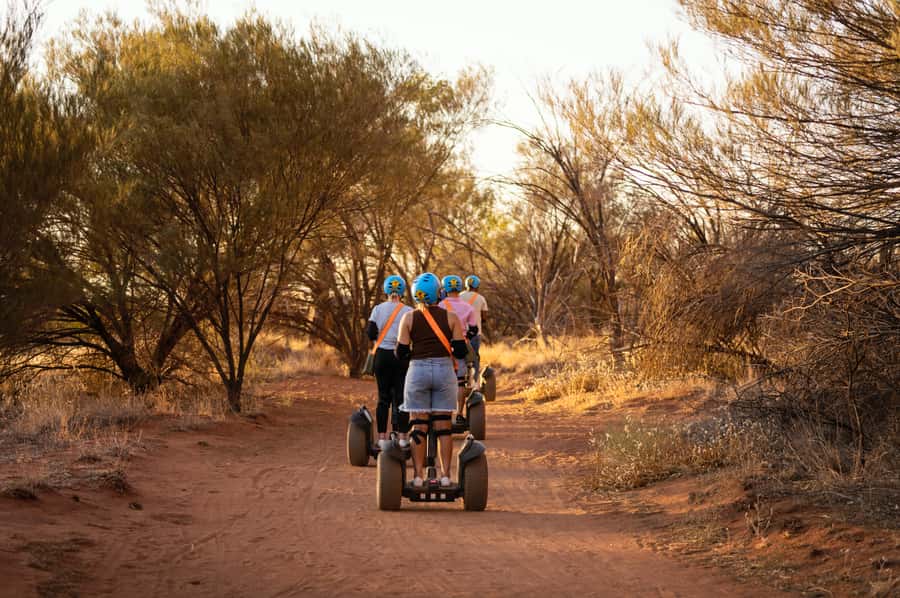
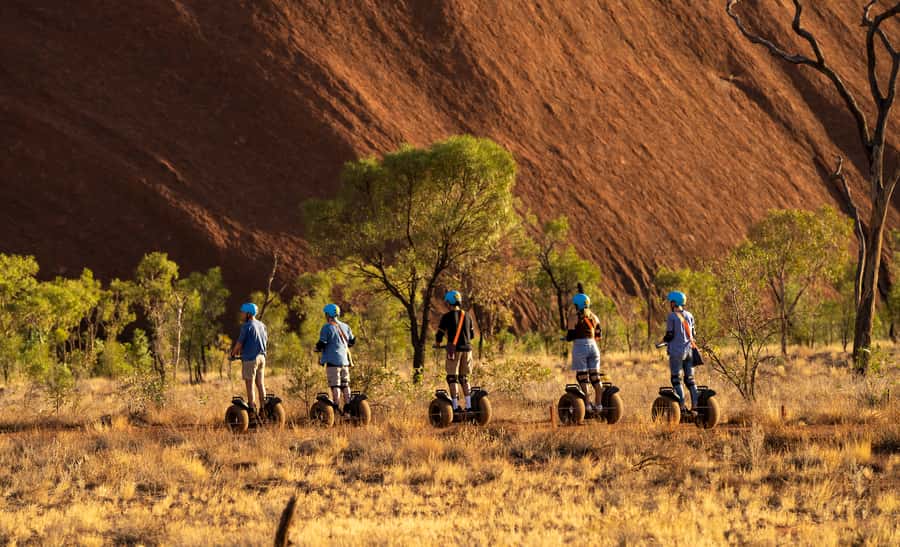
Your main Segway portion is about 1.5 hours, and it’s focused on a scenic section along Uluru’s base. You won’t do a full circuit, but you also won’t spend your whole day walking around the circumference like a marathon. Instead, you get a balance: enough ride time for views, plus enough stops to make the ride educational.
During this segment, the guide explains the local Anangu significance and ties it to what you can see around you. You’ll also hear about geology, flora, fauna, and the European history of the area, which gives you a fuller picture than the rock alone.
And yes, you’ll want photo moments. Reviews mention guides taking photos for people and building in chances to stop and capture the view. That’s one of the practical perks of a small group: the guide can manage slowdowns without derailing the day.
Mutitjulu Waterhole on foot: where the stories feel close
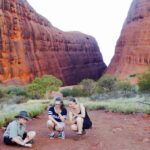
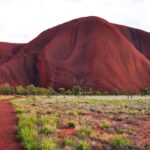
After the Segway time, you head to Mutitjulu Waterhole for a guided walk of about 30 minutes. This is one of Uluru’s lesser-discussed stops compared with the usual “big look at the rock” moments, and the tour treats it as a place with details worth slowing down for.
You’ll experience Mutitjulu through more than visuals. The highlights you’re guided through focus on sights and sounds, and the guide also points you toward authentic Aboriginal rock art. That combination matters because it turns the visit from sightseeing into interpretation.
In several reviews, the guides’ storytelling style comes up as a reason the experience stays memorable. People mentioned being humbled by the explanations and feeling that the team approached the sites with respect. Guides named in reviews included Thomas, Blaize, Tori, and Amber, and that blend of explanation and pacing comes across consistently.



Mala Walk and the cave country: getting up close, not just looking
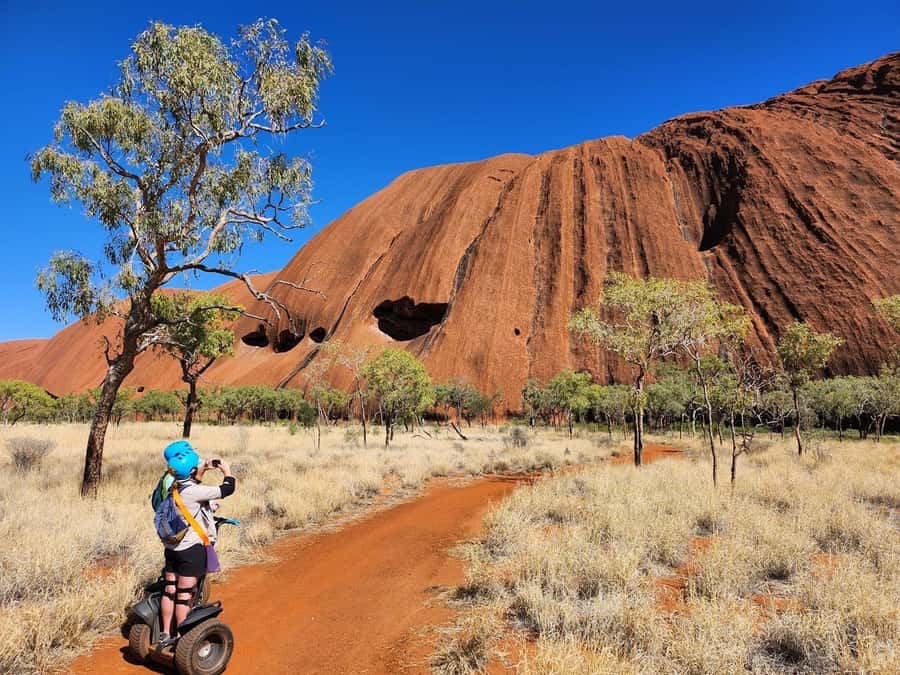
The tour also includes a guided Mala Walk. This is where you shift from the Segway “viewing line” to closer contact with Uluru’s cave country.
You’ll explore cave areas tied to Anangu culture and get guided context as you walk. The intent is to help you understand why these areas matter, not just where they are. It also gives you those “I’m right here” photo angles that you can’t get from a distance.
One caution from the overall setup: this tour is often a good compromise for people who want a strong Uluru experience but don’t want to walk the entire long perimeter. Still, it’s not a sit-and-watch tour. If you’re counting on zero walking, plan on rethinking that.
Price and value: what you’re really paying for at $119
At $119 per person for a 4–5 hour experience, you’re mostly paying for three things: the guide time, the small-group format, and the Segway training plus equipment. You’re also paying for a guided structure that adds interpretation at multiple Uluru-related stops rather than only one scenic viewing moment.
The tour also doesn’t include your Uluru-Kata Tjuta National Park entry ticket, and you must buy that in advance. That’s a real add-on cost to factor into your total budget, even if the tour itself stays straightforward.
Where I think the value lands for many people: if you’re okay with some walking but you want a more complete day than “stand at one viewpoint,” the Segway portion helps you cover more of the base with less fatigue. And the Mala Walk and Mutitjulu stop keep it from becoming a gimmick ride.
If you hate walking, or if you’re already planning to spend long hours hiking around Uluru, you may prefer other options. But for a lot of first-timers, this hits the sweet spot.
What’s included (and what isn’t) so there are no surprises
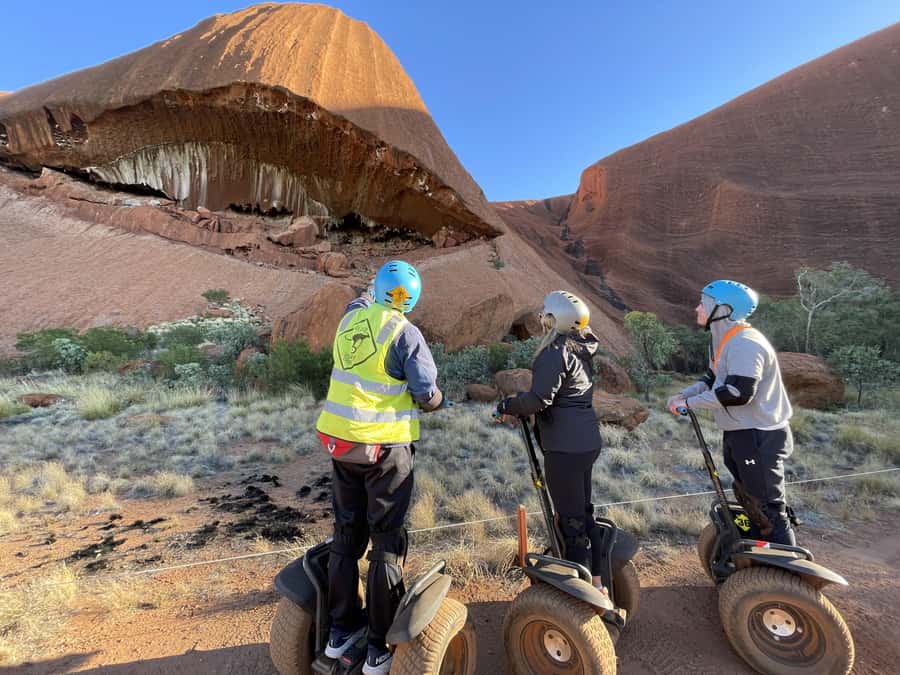
Here’s what you should expect to be covered:
- Transfers to and from your accommodation within the Ayers Rock Resort area pickup zones
- 30-minute Segway training (including safety briefing and practice ride)
- Segway guided portion (about 1 hour of guided tour time)
- Guided walk into Mutitjulu Waterhole
- Guided Mala Walk
What’s not included:
- Your Uluru-Kata Tjuta National Park entry ticket, which you need to purchase in advance
Also note: the tour includes an audio option in multiple languages (Spanish, Chinese, French, German, Italian, and Japanese). You’ll be with a live English guide, but that audio support can help you follow along if you want extra reinforcement.
Who should book, and who really shouldn’t
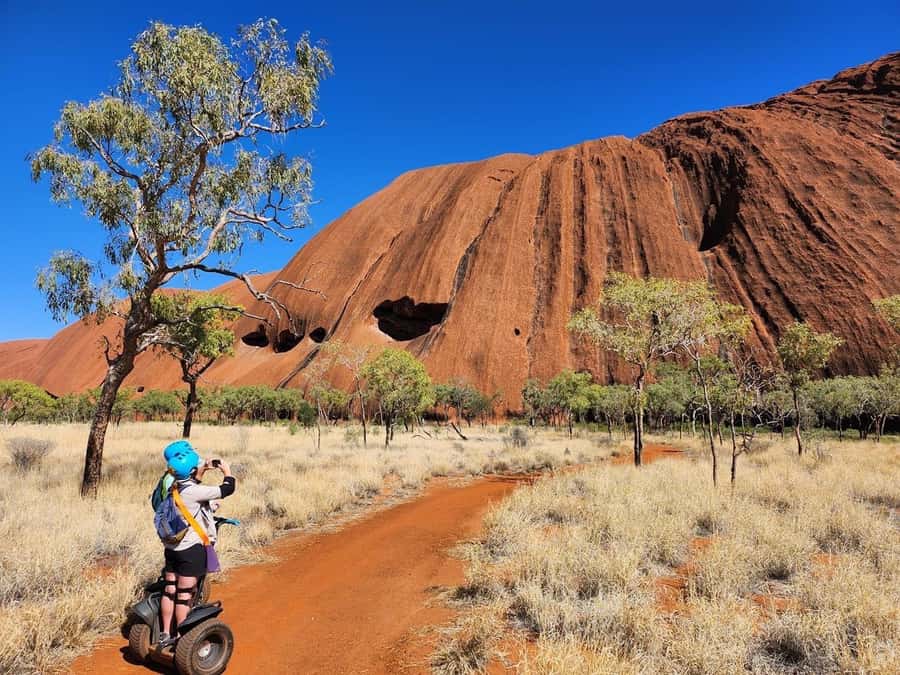
This tour is generally recommended for ages 12 to 65, but the “not suitable for” list is more specific. It’s not for:
- Children under 12
- Pregnant women
- People with back problems
- Wheelchair users
- People who can’t ride a bike
- People with recent surgeries or pre-existing medical conditions
- People under 99 lbs (45 kg) or over 260 lbs (118 kg)
Footwear also matters. Flip-flops aren’t permitted, and open-toed shoes won’t work. Closed-toe shoes are required, and you’ll feel it quickly once you’re out walking.
If you’re in the right fitness range and you want to experience Uluru without doing a full-day hike around the rock, I think this tour makes a lot of sense.
Practical tips that make the day smoother at Uluru
Uluru weather can be serious, even when you don’t expect it to be. Bring water, sunglasses, and a sun hat, and plan your outfit around the heat.
Wear closed-toe shoes that won’t slip. This tour is hands-on with Segways and short walks, so you want reliable footing.
One practical note from a real review: a person’s phone battery died mid-tour and they couldn’t take photos afterward. I can’t control that, but you can. Bring a power bank or make sure your phone is fully charged before you go, especially if photos are part of your plan.
Should you book the Best of Uluru Segway and Walking Tour?
I’d book it if you want a first-timer-friendly Uluru day that mixes Segway time (for big views with less walking) with guided stops that explain the cultural and natural meaning of the land. The small group size and the emphasis on training and photo opportunities are strong reasons to choose this over a bus-only sightseeing day.
I’d skip it if you can’t comfortably walk the included sections, can’t meet the physical requirements for riding, or you’re looking for a slow, long hike style day with no Segway involved.
If you’re on the fence, ask yourself one question: do you want Uluru covered with help and context in a half-day format? If the answer is yes, this tour is a solid match.