REVIEW · YULARA
Uluru, Kata Tjuta & Kings Canyon Camping Tour
Book on GetYourGuide →Operated by Adventure Tours Australia · Bookable on GetYourGuide
Sunrise here hits like a reset button. This camping-style Red Centre loop strings together Uluru sunrise moments, Kata Tjuta dome hikes, and a real outback night under the stars, with guides such as Greg and Elyse leading the way. You’re not just ticking sights, you’re moving through the country at the pace that makes those places hit hardest.
I love the way you get the full Uluru experience: a guided stop for Anangu rock art and creation stories, then your own Uluru base walk. I also love the Kings Canyon rim walk, because Watarrka National Park is all sheer walls, dramatic viewpoints, and a route that feels earned without feeling rushed.
One consideration: this is an early-start, walk-and-drive schedule, so if you want late mornings and long downtime, you may find it a bit intense. Between pickup times (as early as 6 am from Alice Springs) and sunrise hikes, you’ll want to come ready to move.
In This Review
- Key things to know before you go
- The Red Centre camping loop that actually makes sense
- Day 1: Kata Tjuta domes first, then Uluru sunset
- Day 2: Uluru at sunrise, plus Cultural Centre time
- Day 3: Watarrka rim walk highlights and the long road back
- Camping in a swag: comfort, quirks, and what to bring
- Price and value: what $548 really buys
- Guides, pacing, and group energy (where the trip truly lives)
- What to pack for a hike-heavy, star-filled schedule
- Who should book, and who should skip
- Should you book this Uluru, Kata Tjuta & Kings Canyon camping tour?
- FAQ
- How long is the tour, and what’s the difference between the 2-night and 3-night options?
- What hikes and attractions are included?
- Are meals included, and how do you sleep?
- Where and when does the pickup happen?
- Is lunch provided on Day 1?
- What luggage limits apply?
- Is this tour suitable for kids or mobility needs?
Key things to know before you go
- Uluru base walk + culture stops give you context before you walk the rock
- Kata Tjuta Walpa Gorge walk swaps Uluru’s scale for sharper, dome-filled scenery
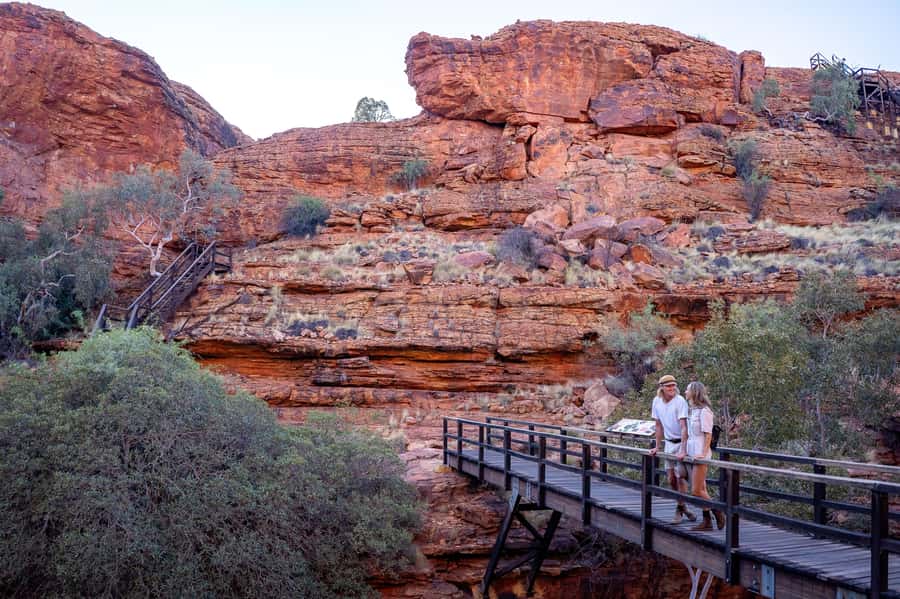
- Kings Canyon rim walk is the big gorge highlight, with famous stops like the Lost City
- Aussie swag camping means sleeping under stars with meals handled for you
- Early starts are built in so you catch cooler temps and the best light
The Red Centre camping loop that actually makes sense
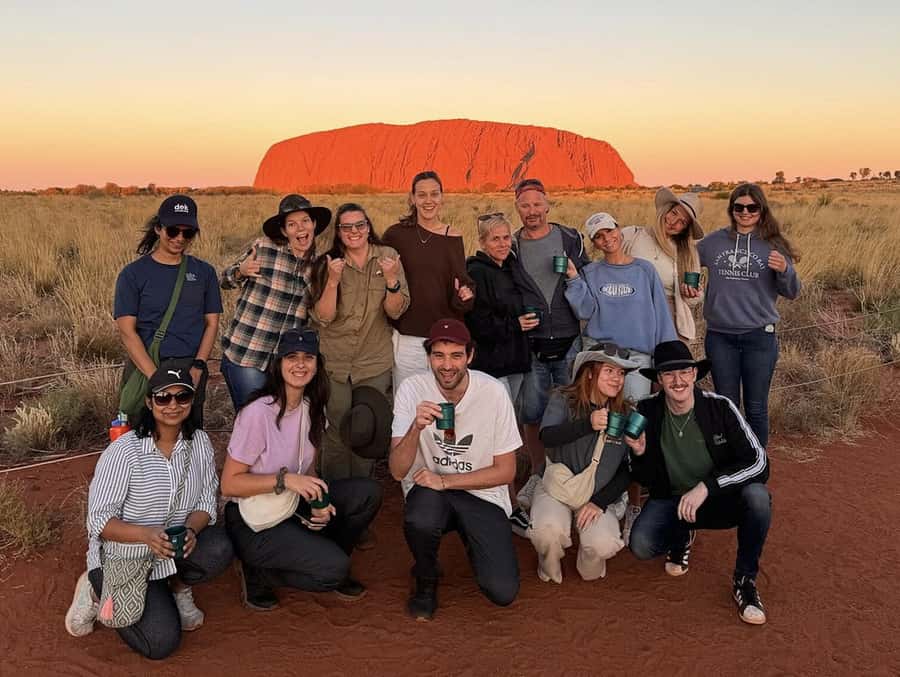
This tour works because it connects the dots between three icons: Uluru, Kata Tjuta, and Kings Canyon. You’ll start with the Olga domes, build to Uluru at first light and during sunset, then shift gears to Watarrka’s canyon country. That flow matters, because these places feel different from each other, and the order helps you notice the changes.
The camping part is the other secret sauce. Sleeping in a swag keeps you close to the weather, the sounds, and the dark sky. In one guide-led experience, dingoes growling outside was part of the memory, not an annoyance, and that tells you the vibe you’re buying into.
The tour is also built around time-of-day. Sunrise and sunset aren’t just photo ops here; they shape the whole day. Guides often get you up early enough to enjoy views without the mid-day heat stealing your energy.
You can also read our reviews of more tours and experiences in Yulara.
Day 1: Kata Tjuta domes first, then Uluru sunset
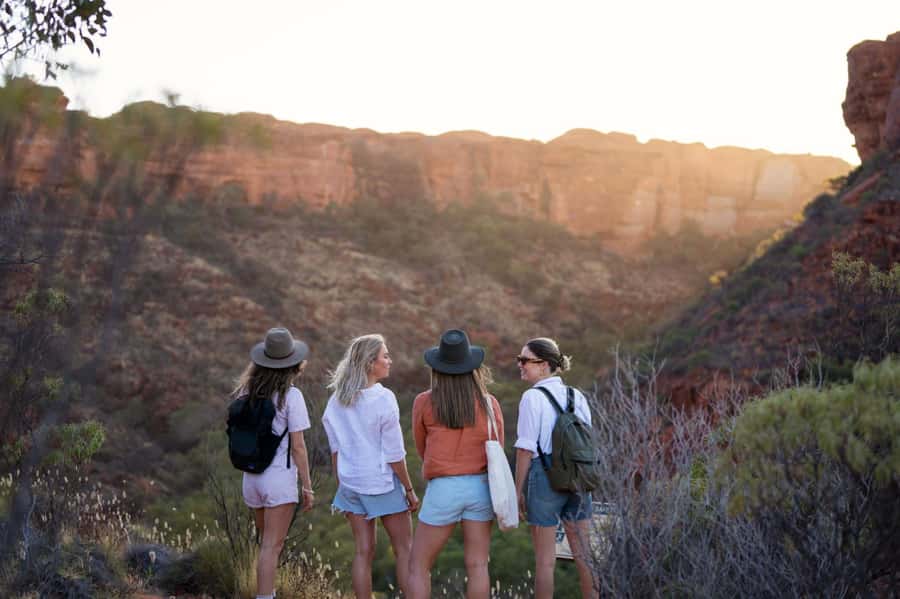
You’ll get moving early depending on where you start. If you depart Alice Springs, pickup is around 6 am and you drive roughly 4.5 hours toward Yulara for an early lunch. If you start from Yulara or the airport, pickup is about 1:40–2 pm, and you need your flight to arrive before 1:45 pm.
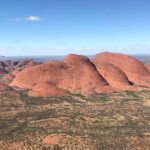
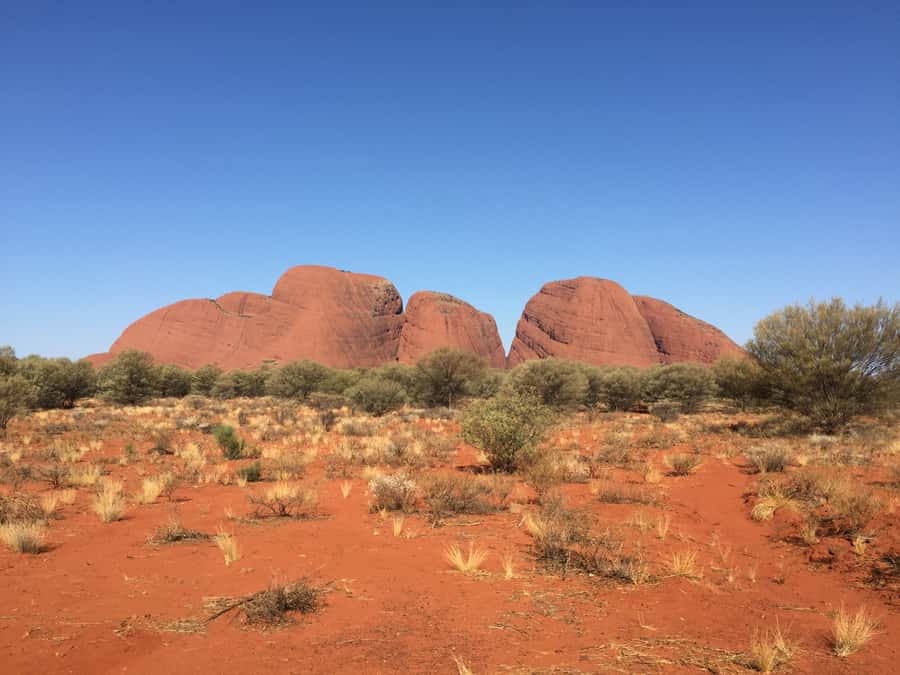
From there, the first real wow is Kata Tjuta, also known as The Olgas. You’ll head out for an afternoon hike between the domes, including the Walpa Gorge Walk. This is a nice contrast to Uluru: less one big monolith and more rounded domes, narrow rocky passages, and natural amphitheatre-style views that make you feel small in a good way.
As the light fades, you’ll watch the sunset over Uluru, with an included viewpoint stop at Ewings Lookout/sunset viewing area. Then it’s back to camp for food with your group, and if conditions allow, you can sit outside under the stars before you turn in.
Two small practical notes I’d plan around: Day 1 is an active day, and the tour starts moving right after pickup. Lace up your walking shoes early, and don’t count on lunch being handed to you if you’re departing from Yulara.
Day 2: Uluru at sunrise, plus Cultural Centre time
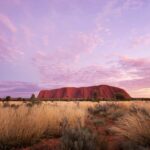
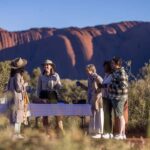
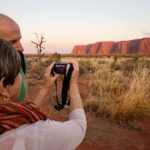
Day 2 is built around Uluru sunrise, which is when the rock’s color and texture really come alive. Your guide will take you to a significant cultural spot, explain Anangu rock art, and share one of the creation stories tied to the area. That doesn’t just add facts; it changes how you view what you see next.
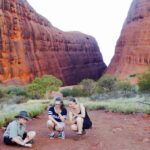
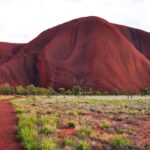
Then comes one of the best parts of the whole schedule: you do the Uluru base walk at your own pace after a briefing. This is your chance to slow down, find your rhythm, and notice details you might miss if someone is only talking the whole time. The route is long enough to feel like an achievement, but it’s not presented like a forced march.
After lunch, you’ll visit the Uluru Cultural Centre and view hand-crafted art by local First Nations people of the Western and Central Deserts. Even if you only spend a short amount of time there, you’ll probably leave with a stronger sense of place than you had when you first arrived.
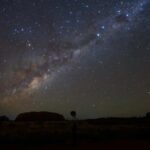
The day ends with driving on to an exclusive campsite near Watarrka National Park (Kings Canyon). Dinner is included, and then you get another night where the sky steals the show. In several guide-led trips, stargazing is described as incredible, and that lines up with the simple reality: away from city lights, stars take over.
Day 3: Watarrka rim walk highlights and the long road back
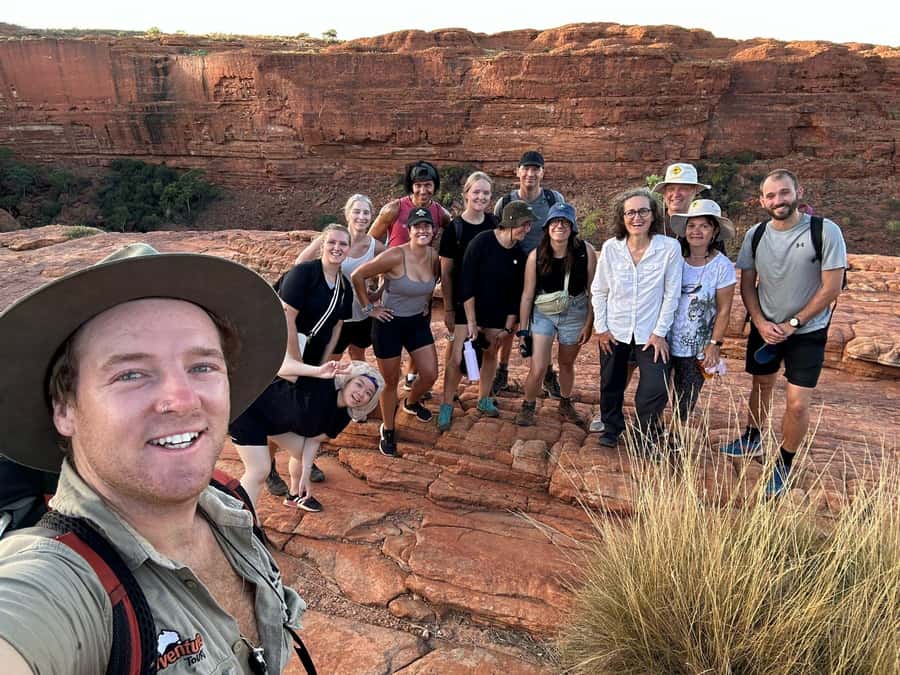
Kings Canyon is the main event on Day 3, and the tour doesn’t hide that. Watarrka National Park is a huge gorge enclosed by tall rock walls, and your guide points out major landmarks as you trek.
The rim walk takes in famous sights such as the Lost City, the Garden of Eden, the Amphitheatre, and the North & South Walls. This is the kind of walk where you keep turning your head, because every bend frames something new. The canyon walls also help you understand the scale of the whole place; you’re not just looking at a canyon, you’re walking along its edge.
After lunch, you’ll drive about three hours back toward Yulara in the late afternoon. If you’re doing the 2-night version, you finish in Alice Springs around 6 pm on Day 3. If you booked the 3-night option, you continue into the Yulara camp period and finish the full tour in the morning of Day 4.
If you’re staying that extra night, tonight’s included plan is dinner and a night under the stars, plus an optional set of add-ons in Yulara at extra cost. There’s also a free chance to watch Uluru sunset from a different perspective, which is handy if you’re trying to keep costs under control.
Camping in a swag: comfort, quirks, and what to bring
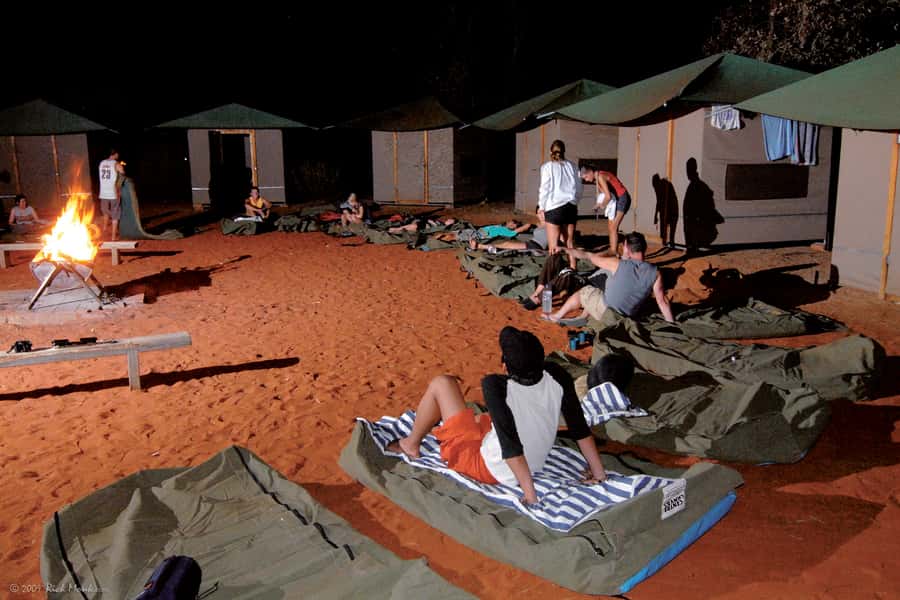
Sleeping in a swag is a big part of why people love this trip. You’ll have sleeping bag hire included, plus basic shared facilities at camp. In a colder season, multiple people noted swags were surprisingly toasty once they got settled, which is reassuring if you’re used to sleeping rough.
That said, it’s still camping. You’re in the Red Centre, not a hotel. One practical lesson I’d take from the experience is to plan like you’re sleeping outdoors in a wind-and-dust environment: warm layers help, and toiletries matter because you don’t want to be improvising.
You’ll also want insect protection. Repellent and/or nets are recommended, and one firsthand comment mentioned flies gathered around the eating area at times. The tour likely has procedures to deal with it, but it’s smart to bring what you personally prefer and keep your repellent handy.
Power is limited. A power bank is recommended because charging options are not a given while you’re moving. Even with outlets available at camp, you shouldn’t count on phone charging during the day.
If you really want a safety net for comfort, note that at least one booking experience mentioned a tent option exists. Don’t assume it’s always the same, but it’s worth checking when you reserve if you’re deciding between swag and a more enclosed setup.

Price and value: what $548 really buys
At $548 per person, this is not the cheapest way to do Uluru, Kata Tjuta, and Kings Canyon. But the value is in three places: time saved, guide time, and meals and camping packaged together.
First, you’re covering huge distances without arranging transfers or hiring a car. The tour handles the drives using an all-terrain vehicle and includes park entry fees for Watarrka, Uluru, and Kata Tjuta. That means you’re paying for logistics as much as scenery.
Second, the guide time matters. Multiple guides are praised for timing (getting people into the right places for sunrise), for storytelling around culture and plants, and for keeping the group moving without leaving you feeling like cattle. Whether it’s Greg, Elyse, Simon, Joe, Troy, Sophie, or Wayne, the consistent theme is that the guide affects how meaningful the day feels.
Third, meals and camp setup reduce your stress. All meals are included, and sleeping bag hire is included. That’s a big deal in remote areas where buying food on the fly isn’t really an option.
Now the honest part: food quality and portion size can be hit-or-miss. Some people loved the cooking, while others felt rations were tight or that options needed improvement. My advice is simple: treat included meals as the base plan, and bring a couple of personal snacks for backup, especially on hiking days.
Guides, pacing, and group energy (where the trip truly lives)
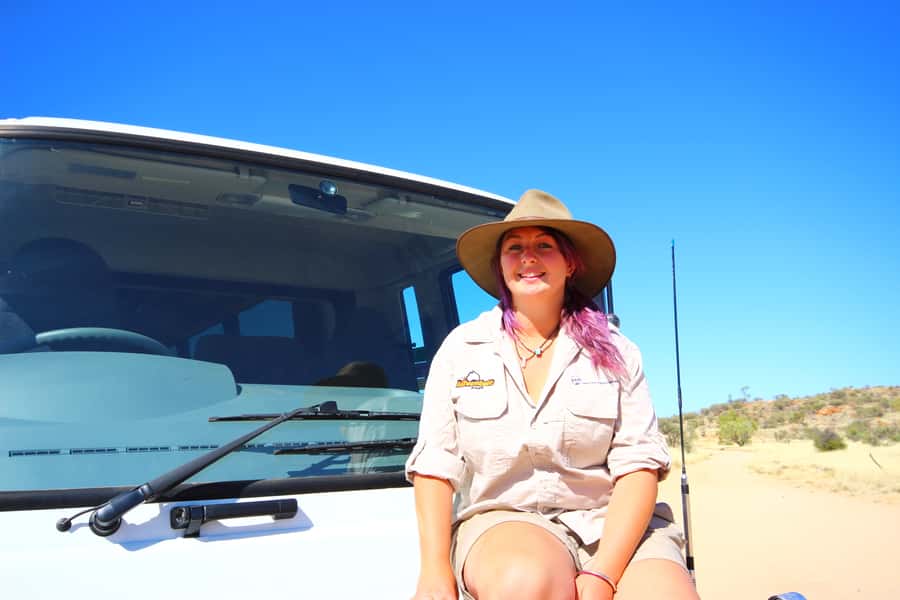
What makes this tour feel great isn’t just the sights. It’s how early starts and hot conditions are managed, and that comes down to the guide and the group’s rhythm.
In a number of experiences, guides like Simon and Elyse are described as hardworking, organized, and attentive to everyone’s needs. Some trips also mention flexibility: making small adjustments so the group stays comfortable and happy, while still hitting sunrise and sunset.
Pacing is also a deal. One guide team reportedly managed to avoid peak heat and still catch every sunrise and sunset. That’s not magic; it’s planning. You’ll appreciate it if you’re the kind of traveler who wants the best photos but also wants your legs to work by the afternoon.
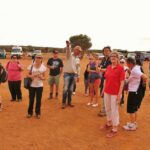
Group energy can vary, but one person described a group of about 16. That size is large enough for a lively vibe, small enough that you’re not lost in a crowd. If you’re traveling solo, this setup often feels easier than renting a car and trying to coordinate hikes alone.
What to pack for a hike-heavy, star-filled schedule
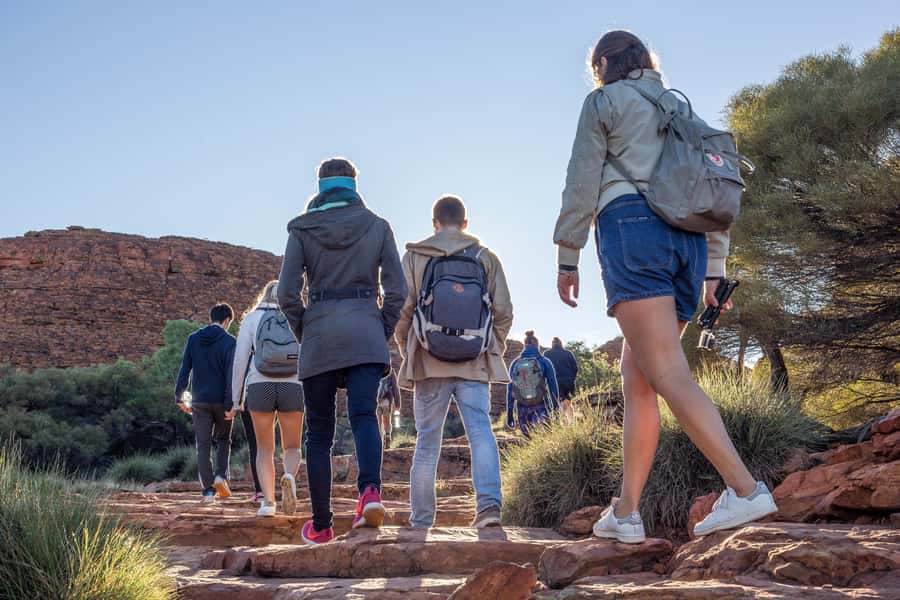
The tour asks for a practical packing list because you’ll walk multiple times, sleep outdoors, and spend hours on the road. Here’s what I’d treat as non-negotiable:
- Sturdy walking shoes (the first hike starts shortly after pickup)
- Hat and sunscreen
- Water bottle (1.5 liters recommended)
- Torch
- Insect repellent/net
- Warm clothing in winter
- Power bank (limited power available at camp)
- Toiletries
- Pillow (not included)
Also keep luggage tight. Oversize luggage isn’t allowed, and there’s a strict 15 kg limit. Plan for one small to medium soft bag or backpack plus a small daypack that can sit inside the vehicle. If you hate carrying weight, pack light.
Finally, meals depend on your start point. For Yulara departures, lunch is not included on Day 1, so you’ll need to eat beforehand. If you’re coming from Alice Springs, you’ll have early lunch on the road as the day begins.
Who should book, and who should skip
This tour is a strong fit if you want:
- Sunrise and sunset at major Red Centre sites, with the timing done for you
- A hands-on hiking plan: Uluru base walk, Walpa Gorge, and the Kings Canyon rim walk
- Camping under stars without having to arrange equipment or handle meals
- A culture-forward approach that includes Anangu rock art and the Uluru Cultural Centre
It may be less suitable if you:
- Prefer slow mornings and lots of downtime
- Need full mobility support for uneven trails (the tour is not suitable for people with mobility impairments)
- Are traveling with children under 8
If you’re the type who enjoys moving between big moments and then unwinding with a fire-and-stargazing evening, you’ll probably love this format.
Should you book this Uluru, Kata Tjuta & Kings Canyon camping tour?
I’d book it if your priority is seeing all three icons efficiently, with real timing for sunrise and sunset, and with camping that feels authentic instead of staged. The best version of the trip happens when you come prepared for an active schedule, pack smart for dry heat and cold nights, and treat the guide as part of the experience, not just transport.
I’d think twice if you’re very sensitive to long drives and early starts, or if you want hotel-style comfort every night. Also keep expectations realistic about food portions and insect annoyances, and bring a few backup snacks so hunger doesn’t spoil the magic.
If you want the Red Centre in one tight, guided, story-rich package with swags and starlight, this tour delivers.
FAQ
How long is the tour, and what’s the difference between the 2-night and 3-night options?
The experience runs for 3 days (up to 84 hours) and includes either 2 or 3 nights of camping. The 2-night tour ends in Alice Springs at around 6 pm on Day 3, while the 3-night tour finishes in Yulara around 9 am on Day 4.
What hikes and attractions are included?
Included activities are the Kings Canyon rim walk, Kata Tjuta Walpa Gorge Walk, Uluru base walk, and Uluru Cultural Centre entry. There’s also a sunset viewing area at Ewings Lookout, and the tour includes park entry fees for Watarrka, Uluru, and Kata Tjuta.
Are meals included, and how do you sleep?
All meals are included. You’ll camp for 2 or 3 nights in Aussie swags with basic shared facilities, and sleeping bag hire is included.
Where and when does the pickup happen?
If you depart from Alice Springs, pickup is around 6 am. If you depart from Yulara (or Uluru Airport), pickup is between 1:40 and 2:00 pm, and your flight must arrive before 1:45 pm.
Is lunch provided on Day 1?
Lunch is not included on Day 1 for passengers departing from Yulara, so you’ll need to eat before pickup. For passengers departing from Alice Springs, you’ll be driven toward Yulara for an early lunch.
What luggage limits apply?
Oversize luggage is not allowed. There’s a strict 15 kg luggage limit, and it should be one small to medium-sized soft bag or backpack plus a small daypack.
Is this tour suitable for kids or mobility needs?
It’s not suitable for children under 8 years old. It also isn’t suitable for people with mobility impairments.