REVIEW · YULARA
Uluru: Small Group Guided Tour with Sunset Refreshments
Book on GetYourGuide →Operated by SEIT · Bookable on GetYourGuide
Uluru turns dramatic at dusk, and this tour is built around that shift. You’ll cover the base of Uluru, stop at Mutitjulu Waterhole, then watch the rock change color from the Talinguru Nyakunytjaku viewing area with light drinks and bites.
I love the way the guide blends Anangu Tjukurpa stories with geology and everyday “how to see this place” tips, not just facts. I also like that the timing feels human: some walking, plenty of stopping for photos, and then a proper sunset moment with sparkling wine and gourmet treats.
One caution: Uluru Kata Tjuta National Park entry tickets are not included, so plan for that extra cost at the gate or online before you go.
In This Review
- Key things to love about this Uluru sunset tour
- From Ayers Rock Resort to Uluru’s first big reveal
- The short walk at the base: photos, scale, and a calmer pace
- Quick tip
- Mutitjulu Waterhole: Tjukurpa stories you can actually picture
- Mala Walk: a small stretch with a big cultural lens
- Driving the base: more “seeing” without the full legwork
- Talinguru Nyakunytjaku sunset: the payoff view
- Photo reality check
- The iPod language option: how to use it well
- Guides and group size: why small is a big deal here
- Price, value, and what you’re really paying for
- Practical tips so your evening goes smoothly
- Who this tour fits best
- Should you book this Uluru sunset small-group tour?
- FAQ
- How long is the Uluru Small Group Guided Tour with Sunset Refreshments?
- What does the tour include?
- Is the Uluru Kata Tjuta National Park entry ticket included?
- How much are national park entry tickets?
- How big is the group?
- What languages are available on the audio iPod?
- Is there a live guide?
- What walking is involved?
- Where is the sunset viewed?
- Is pick-up and drop-off included?
Key things to love about this Uluru sunset tour
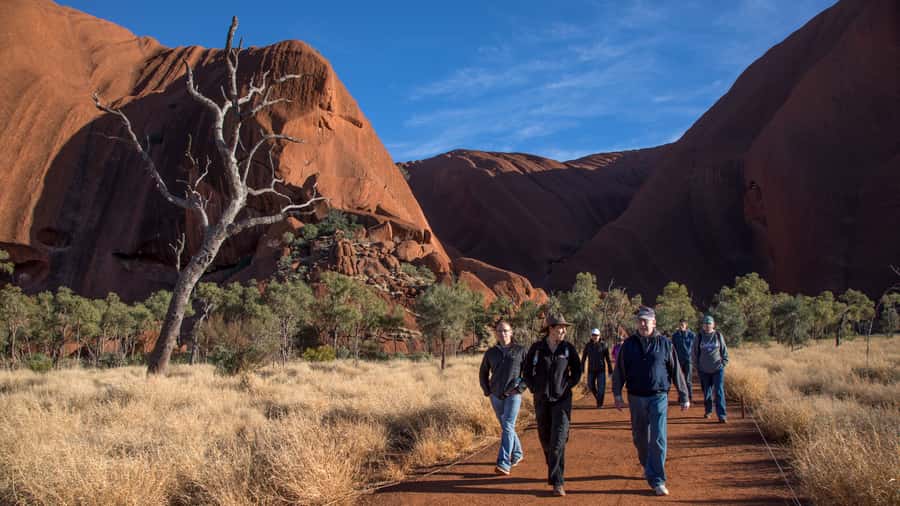
- Small group size (up to 11) means easier conversation and better chances to hear details clearly
- Mutitjulu Waterhole stories (including Liru the poisonous snake and Kuniya the python) make the place feel alive
- Mala walk plus base driving gives you the Uluru perspective without a long, exhausting day
- Talinguru Nyakunytjaku sunset viewpoint is purpose-built for an open, wide look at Uluru with Kata Tjuta behind it
- Language support via optional iPods (French, German, Spanish, Italian, Russian, Mandarin) helps if English isn’t your comfort zone
From Ayers Rock Resort to Uluru’s first big reveal
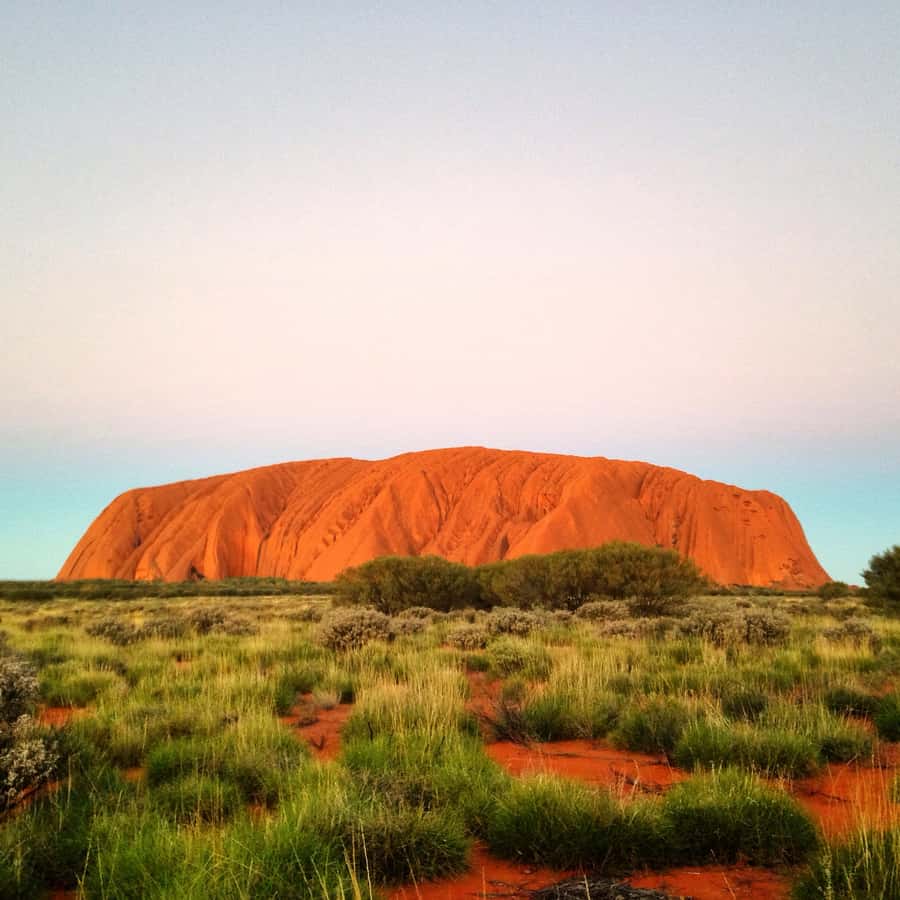
Most days start the same in Yulara. This one kicks off with pick-up from Ayers Rock Resort, then you’re quickly out into open outback country. The drive is part of the experience, because it sets expectations: Uluru is not just a photo subject. It’s a landmark with scale that’s hard to grasp until you’re close.
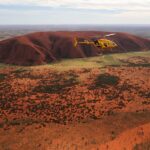
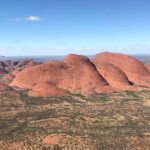
After rolling toward the Uluru Kata Tjuta National Park entrance, you’ll get your first real look at the rock rising out of the sand dunes. This is the moment where the mind goes, Oh, that’s it. The sheer presence is the point, and the guide usually times stops so you can get pictures without feeling like you’re running around.
If you’re hoping for a totally effortless day, this is mostly that. You’ll still do walking, but the route is designed to keep you comfortable in heat while giving you enough time in the right places to actually see what you came for.
You can also read our reviews of more guided tours in Yulara

The short walk at the base: photos, scale, and a calmer pace
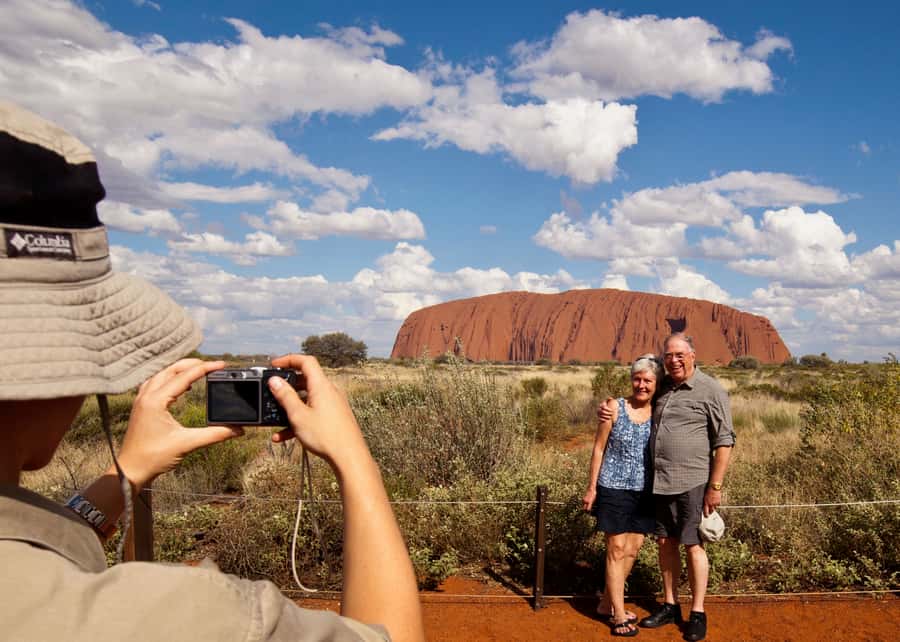
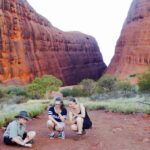
Once you head to the base area, the tour shifts from driving big distances to moving at a human speed. You’ll step out for a short walk that’s often described as flat and manageable, which matters in Uluru’s climate. The goal here isn’t a workout. It’s getting close enough for the rock’s texture and shadows to make sense.
This part is also where you start to feel the tour’s balance. There’s some adventure, but it stays under control. A reviewer even noted the mix of driving and walking worked as a good rhythm in hot weather, and that’s exactly the vibe this tour aims for.
Expect the guide to talk about why Uluru looks the way it does and why it matters to the Anangu. You’re not just watching someone narrate from a distance. You’re moving through the space while the story is being told.
Quick tip
Bring a good hat and sunscreen. Even when the walking is short, you can still get cooked if you spend too long looking up and forgetting the sun is doing its thing.
Mutitjulu Waterhole: Tjukurpa stories you can actually picture
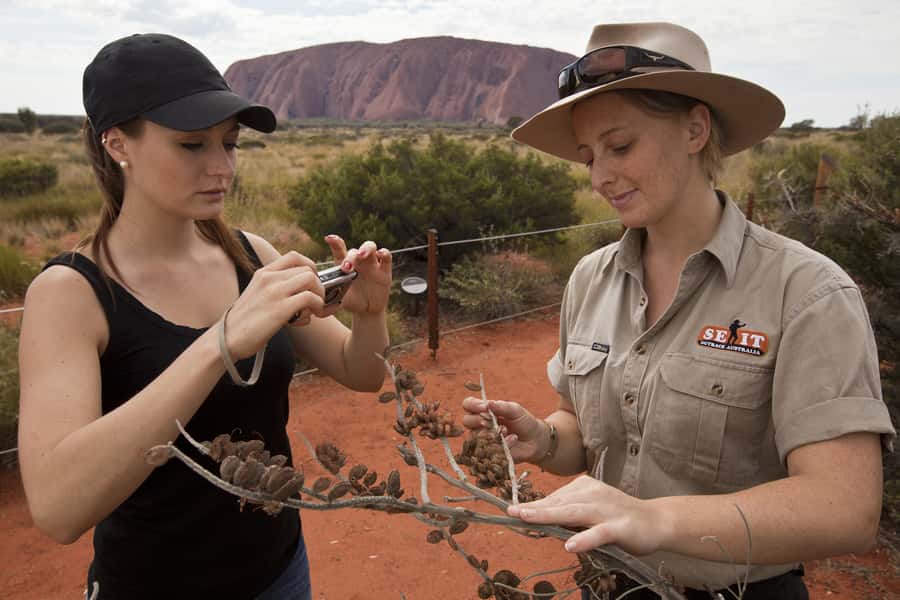
The highlight stop for many people is Mutitjulu Waterhole. It’s a semi-permanent watercourse in Uluru’s contours, and that detail changes how you see the whole area. Water at Uluru isn’t just scenery. It’s tied to life, teaching, and ongoing cultural meaning.
Here’s what you’ll learn:
- Creation stories connected to Tjukurpa (Dreaming)
- Specific stories featuring Liru, the poisonous snake
- Specific stories featuring Kuniya, the python
- How these stories are used to teach younger people
- How rock art sites fit into that teaching and memory
This is the part where the guide’s approach really matters. The best guides make you feel that they’re translating a living relationship, not giving a museum lecture. You’ll likely hear about the way Anangu understand the land—how it explains the world, guides behavior, and carries lessons.
Also, if you’re the kind of traveler who worries you’ll miss the point of rock art because you’re not an expert, don’t. The guide’s job is to help you “read” what you’re seeing.
Mala Walk: a small stretch with a big cultural lens
The Mala Walk is one of the walking pieces in this itinerary, and it’s a smart add-on for people who want more than a drive-by. It’s not presented as a hardcore trek. Instead, it’s a focused walk tied to the interpretive theme of the day.
You’ll get the benefit of changing perspectives: from wider views near the road to closer lines of sight where Uluru feels even larger. The walk also helps you understand why the base route matters. When you’re standing near the rock, scale isn’t theoretical anymore.
In terms of difficulty, the tour is described as not heavy on steepness. Reviews also note the walks are on flat ground and easy even in heat. So if you can handle a moderate stroll and don’t need long, grueling routes, this fits.
You can also read our reviews of more evening experiences in Yulara

Driving the base: more “seeing” without the full legwork
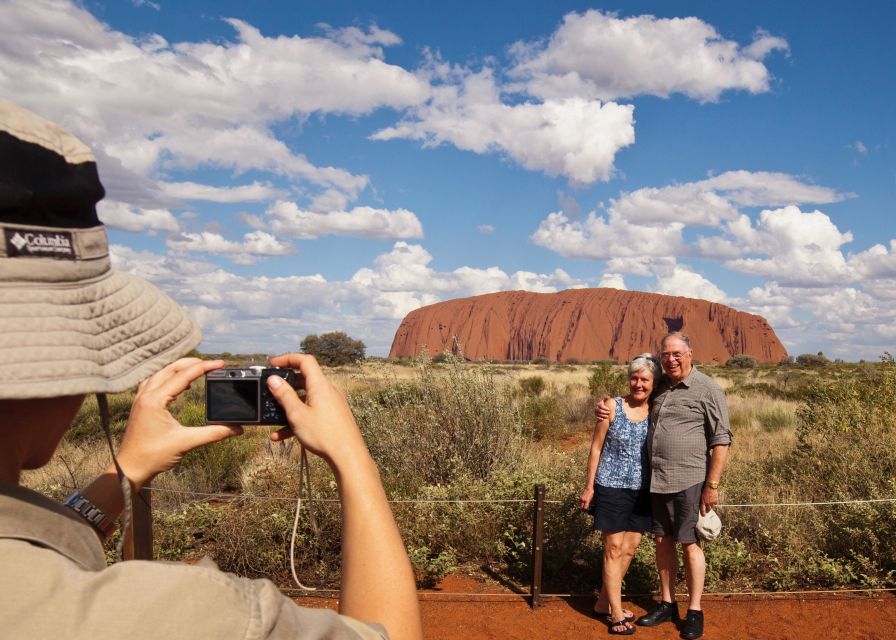
After the walking bits, you’ll do the other half: drive around the base while your guide points out locations tied to stories and formations. For many visitors, this is the sweet spot. You get movement and variety, but you’re not stuck doing hours of walking in sun.
This is where the tour’s structure shows its value. Base walking tours can turn into a long slog, especially late afternoon. Here, the route keeps you in the best viewing zones and saves your energy for the sunset finale.
One practical note: the timing is built around light. You’ll often stop so your photos aren’t just “look, Uluru.” They’re look, Uluru with a specific angle and specific shadows.
Talinguru Nyakunytjaku sunset: the payoff view
The final act happens at Talinguru Nyakunytjaku, a newer viewing area designed for an uninterrupted view of Uluru, with Kata Tjuta in the background. This is where the day’s theme clicks. You’re not just watching a sunset. You’re watching how a massive rock face responds to changing light.
Expect a slow shift:
- rock color changes as the sun lowers
- sky tones adjust as clouds (if any) catch the light
- shadows deepen, and details can pop out in surprising ways
Then you get to relax. You’ll enjoy sparkling wine and light refreshments, and the whole setup is meant to let you linger without rushing back to the bus the second the photos are done.
A few reviews also mention extras that can make the end of the day feel genuinely cared for, like cooling down with cold drinks or wet towels during very hot periods. If you’re visiting in warmer months, plan for heat and know you’re likely to appreciate anything that helps you cool off before sunset.
Photo reality check
Timing can mean you’ll see strong changes in color from the viewing side, but you might not see every last shift from every angle. One traveler noted a mismatch between what they expected (based on the tour thumbnail) and the specific lighting during the sunset spot. So if you’re chasing a very specific color sequence, keep your expectations flexible and focus on the big picture.
The iPod language option: how to use it well
This tour can include an optional iPod audio guide in six languages: French, German, Spanish, Italian, Russian, and Mandarin. Even if you’re comfortable with English, it can still be handy if you want a second track while you’re looking at rock art, waterhole contours, and key viewing areas.
Here’s how to get the most out of it:
- Listen during driving or while standing still, not when you’re walking
- Use the guide as context, then look at the land with fresh eyes
- If you miss something, don’t panic. The guide on the bus usually keeps the story moving in the same theme
Since the live guide is English, the iPods are a real advantage for mixed groups. They help everyone stay engaged and not feel left out when the narration gets detailed.
Guides and group size: why small is a big deal here
The tour caps at 11 participants. That’s not just a comfort number. It changes the whole tone. In a smaller group, you can ask questions and actually get time to hear the answer.
Reviews repeatedly point to guides who:
- kept the day balanced between driving, walking, and storytelling
- timed photo stops well
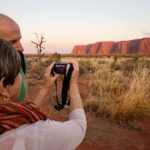
- helped people capture better pictures (including advice on positioning)
- created a friendly atmosphere so the group wasn’t just silent during sunset
You also get that small-group edge with the sunset moment. A big crowd can make you feel like you’re competing for a view. Here, you can actually look, breathe, and talk to others after the drinks.
Transport also scores well for comfort, with 91% of reviewers giving it a perfect score. That matters because a sunset tour lives and dies by how smoothly you get from point to point.
Price, value, and what you’re really paying for
At $169 per person for about 5 hours, this isn’t the cheapest way to see Uluru at sunset. But it’s also not trying to be a bargain shuttle. The value comes from three things you can’t easily replicate on your own:
First, you’re buying interpretation. Uluru is meaningful, and the tour connects the physical place to Anangu stories and the Tjukurpa world, plus it points out rock art and creation stories tied to Mutitjulu Waterhole.
Second, you’re buying timing and pacing. Sunset tours are not the place to wing it with guesswork. The route is planned so you spend time walking where it makes sense and finish at a viewing area designed for the big light shift.
Third, you’re buying a relaxed finish. The sparkling wine and light refreshments aren’t just a treat. They turn the viewing period into a real experience rather than a 10-minute photo sprint.
Two cost realities to plan for:
- You must add Uluru Kata Tjuta National Park entry tickets separately (not included).
- You’re also likely to want basic sun protection and bug protection depending on season.
If you want a well-guided sunset experience with minimal stress, this price starts to look fair fast.
Practical tips so your evening goes smoothly
Here’s what helps most on this kind of Uluru day, based on the tour details and what people highlight.
- Bring sun protection. Even short walks add up under harsh light.
- Don’t underestimate insects. One traveler specifically warned about flies and suggested not to forget a net. If you’re sensitive to biting pests, pack repellent and consider a small net.
- Wear shoes you can trust for flat walking. The walking sections are described as easy, but you’ll still want stable footing.
- Plan for heat. There are mentions of cooling touches like wet towels and cold drinks in very hot conditions.
- Charge your phone, but don’t rely on it. Your best shots will still come from your timing and angles, not just camera settings.
Who this tour fits best
This tour is a strong match if you:
- want Uluru’s sunset experience with a guide handling the interpretation
- prefer short walks over all-day hikes
- like hearing stories about land and culture in a structured way
- want small-group comfort (up to 11)
- might benefit from multilingual audio support via iPods
It’s also a good pick if you’re the type who likes to understand what you’re seeing before you leave. Uluru hits harder when you can connect the rock, the waterhole, the rock art, and the Tjukurpa stories.
If you’re someone who already knows you want long base walks only, you might still prefer doing more of it independently. But if you’re here for the sunset and the meaning, this tour is built for that.
Should you book this Uluru sunset small-group tour?
I’d book it if you want a 5-hour, small-group, guide-led way to see Uluru’s best moments without turning your day into an endurance event. The Mutitjulu Waterhole stop, the Mala Walk, and the Talinguru Nyakunytjaku sunset viewing area combine into a day that feels focused and well-paced.
Skip it only if you’re cost-sensitive enough that paying park entry on top of the tour fee would make you resent the extra spend. Otherwise, the guide-led storytelling plus the organized sunset setup is exactly the kind of value that turns a once-in-a-lifetime place into a real memory.
FAQ
How long is the Uluru Small Group Guided Tour with Sunset Refreshments?
The tour lasts 5 hours.
What does the tour include?
It includes a fully guided 5-hour tour, pick-up and return from Ayers Rock Resort, an optional iPod audio guide in six languages, sparkling wine and light gourmet treats, and 1 bottle of water.
Is the Uluru Kata Tjuta National Park entry ticket included?
No. National Park entry tickets are not included and must be purchased separately at the entry station.
How much are national park entry tickets?
Tickets cost $25 per person for ages over 15 and $12.50 for children aged 5 to 15. Tickets are valid for three consecutive days from the date of issue.
How big is the group?
The tour is a small group limited to 11 participants.
What languages are available on the audio iPod?
The optional iPod audio guide is available in French, German, Spanish, Italian, Russian, and Mandarin.
Is there a live guide?
Yes. There is a live tour guide in English.
What walking is involved?
The tour includes a short walk into the Mutitjulu Waterhole area and the Mala Walk. The walking is described as flat and manageable.
Where is the sunset viewed?
Sunset is viewed from the Talinguru Nyakunytjaku viewing area, with an uninterrupted view of Uluru and Kata Tjuta in the background.
Is pick-up and drop-off included?
Yes. Pick-up is from out in front of your Ayers Rock Resort hotel reception, and the tour returns you there afterward.