REVIEW · ULURU
3-Day Uluru Kata Tjuta Kings Canyon Outback Safari ex. Ayers Rock
Book on Viator →Operated by Autopia Tours · Bookable on Viator
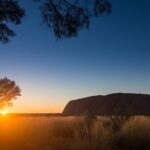
Uluru and the desert at sunrise is the whole point here. This small-group 3-day outback safari strings together Uluru-Kata Tjuta National Park, Kata Tjuta (the Olgas), and Kings Canyon with guided walks and an accredited driver-guide who explains what you’re seeing. You get two private-campsite nights and either safari tents or a traditional swag setup.
Two things I really like: the wake-up-before-dawn timing that helps you see key sights with fewer people around, and the fact that this is capped at max 23 travelers, which makes the day feel more like a shared adventure than a cattle call. My main consideration is that this is a physical tour—those bush walks can reach 6–8 km, and the camp setup is more outback-rustic than hotel-comfort, so you’ll want to be okay with basic conditions.
In This Review
- Key Highlights to Know Before You Go
- Three Days in the Red Centre: What This Itinerary Really Feels Like
- Day 1: Start at Yulara or Ayers Rock Airport, then Settle Into Outback Camps
- Day 2: Pre-Dawn Uluru Sunrise, then Kata Tjuta (The Olgas) Before the Crowds
- Day 3: Kings Canyon’s Rim Walk and 100-Meter Cliffs
- Sleeping Under Stars: Safari Tents vs Traditional Single Swag
- Food and Timing: Included Meals, Remote Sourcing, and Group Work
- Price and Value for $570.93: What You’re Actually Paying For
- The Biggest “Fit” Match: Who This Tour Suits Best
- Quick Practical Notes: Guides, Group Feel, and Drop-Off
- Should You Book This 3-Day Uluru, Kata Tjuta, and Kings Canyon Safari?
- FAQ
- What time does the tour start?
- Where does the tour end?
- What kind of sleeping options are included?
- Are meals included?
- How much walking is involved?
- What’s the group size?
- Do I need to bring a sleeping bag?
- Can the tour accommodate dietary requirements or service animals?
Key Highlights to Know Before You Go
- Pre-dawn sunrise experiences at Uluru-Kata Tjuta National Park
- Kata Tjuta at sunrise, plus time for the Valley of the Winds / Walpa Gorge area
- Kings Canyon Rim Walk focus, with dramatic sandstone and 100-meter cliffs
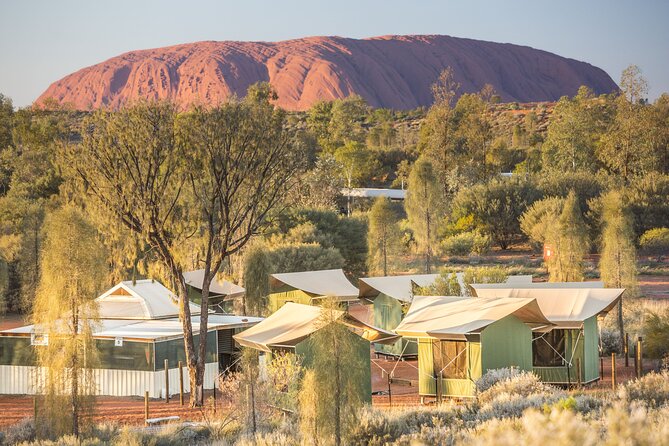
- Two nights at permanent outback campsites with either safari tents or single swag sleeping
- Small-group travel (up to 23) with an accredited local driver-guide and commentary
- Uluru-Kata Tjuta park pass included and guided bush walks planned into the days
Three Days in the Red Centre: What This Itinerary Really Feels Like
This tour is built around the Red Centre’s rhythm: long drives, big viewpoints, and mornings that start early on purpose. You’ll move through three of the area’s headline places—Uluru, Kata Tjuta, and Kings Canyon—while still having guided walking time to slow down and actually connect the scenery to the geology and culture that shape it.
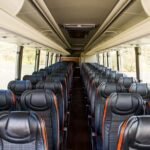
You also get something practical: an air-conditioned mini-coach for the road time, plus onboard support from an accredited driver-guide. That matters in remote areas, because you’re not trying to figure out timing, logistics, and park entry on your own.
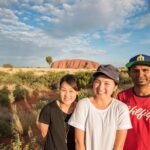
The “small group” part isn’t marketing fluff either. With a maximum of 23 travelers, you’ll generally get a more personal feel on the walks and during the storytelling moments, especially on crowded days when people are packed onto buses.
A few more Uluru tours and experiences worth a look
Day 1: Start at Yulara or Ayers Rock Airport, then Settle Into Outback Camps
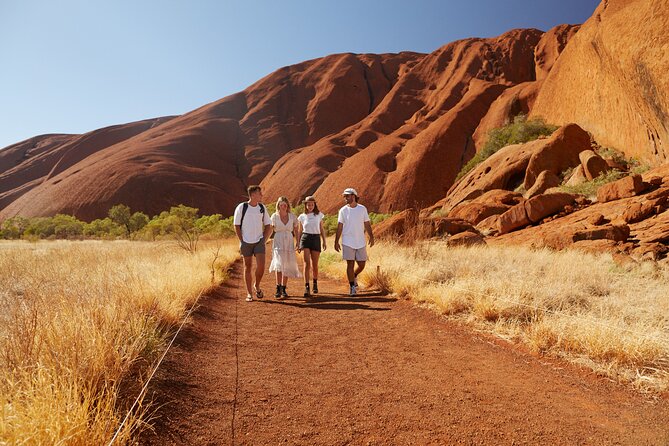
Day 1 kicks off from Ayers Rock Airport or Ayers Rock Resort in Yulara, with a 1:30 pm start. The plan is to head straight into the park area after boarding, so you don’t waste your first afternoon. Meals are paced so you’re covered without being “meal-hunted” in a remote region.
Here’s what to watch for on Day 1: you’re still settling into outback conditions before the heavier day-by-day walking rhythm kicks in. Even if Day 1 feels lighter than the next two, it sets your baseline for camp life—because you’ll be sleeping on permanent outback campsites for two nights total (Uluru and Kings Canyon).
Also, this tour asks guests to help with the everyday rhythm—participating in meal prep, cleanup, and vehicle unpacking/loading. That can be a good thing: it’s one of those small-group habits that keeps the mood friendly and keeps the crew from having to do everything alone. It just means you should mentally switch from tourist mode to “we’re all doing this together” mode.
Day 2: Pre-Dawn Uluru Sunrise, then Kata Tjuta (The Olgas) Before the Crowds
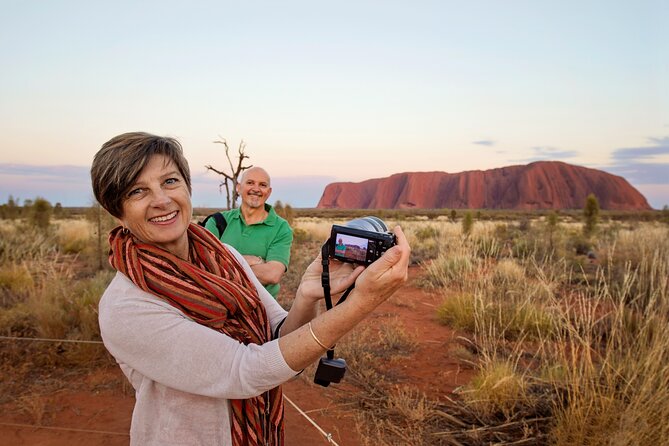
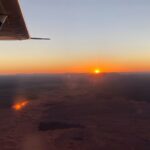
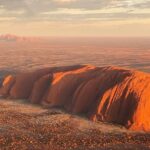
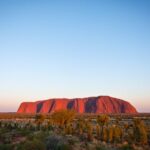
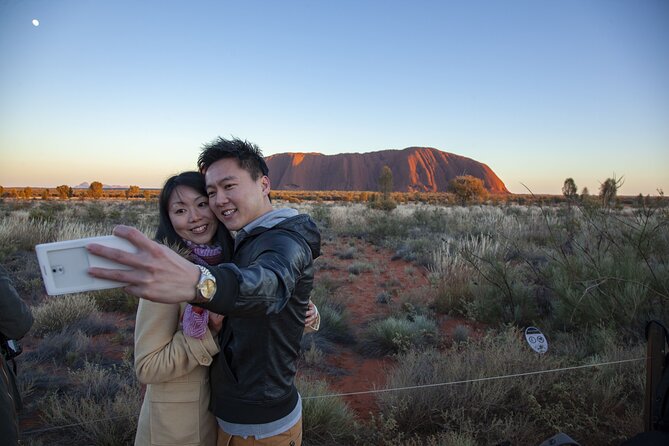
Day 2 is the dramatic one, and it starts before sunrise. You’ll get a pre-dawn wake-up call to catch the sunrise at Uluru-Kata Tjuta National Park, and you’ll be doing it on a schedule designed to put you in position early.
Why that matters: sunrise at Uluru is stunning, but the real advantage here is timing. Based on the tour’s feedback, people specifically love that they can see the glow and changes with fewer spectators around and even sometimes spot wild animals out in the area. If you hate arriving late and walking into a wall of people, this early start is your best friend.
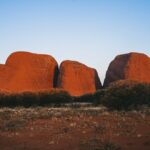
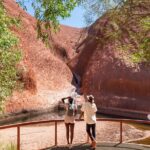
After the sunrise window, the day shifts to Kata Tjuta (The Olgas)—the itinerary points you toward Valley of the Winds / Walpa Gorge. The big idea isn’t just “look at the rock.” It’s that Kata Tjuta has multiple ways the light changes the formations, and the guide commentary helps you understand why the place looks the way it does.
Plan on a long day here. The schedule lists about 12 hours. You’ll be combining scenic stops, interpretation, and walking—so it’s the day to keep your energy steady, eat what’s provided, and pace yourself.
Day 3: Kings Canyon’s Rim Walk and 100-Meter Cliffs
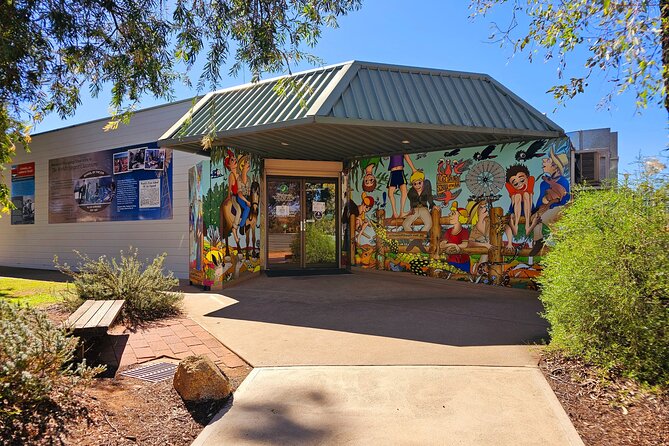
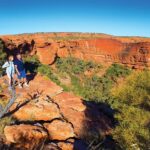
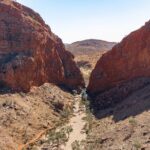
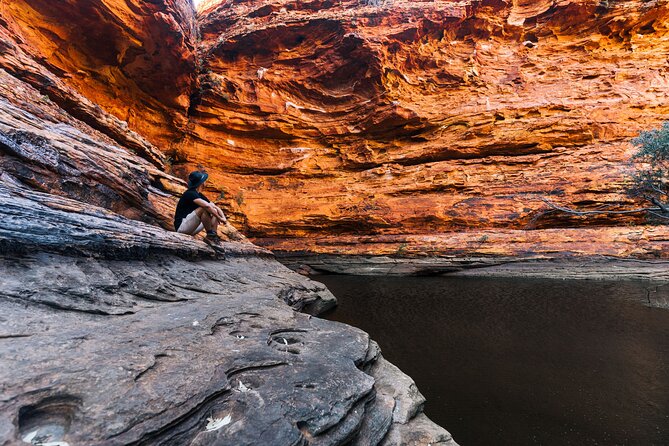
Day 3 focuses on Kings Canyon and its signature walking moment: the Rim Walk in Watarrka National Park. The itinerary flags what makes it special—dramatic sandstone formations and 100-meter cliffs—and it treats the Rim Walk as the highlight.
This is also an early-start day (the plan calls for an early morning start). If you’re the kind of traveler who loves big “wow” views but also wants to work for them a bit, the Rim Walk is a great payoff. You’re moving through a canyon environment where the rock shapes dominate your attention, and your guide’s commentary helps you read the formations instead of just taking photos.
As always on this tour, remember the walking expectations. The operator states that guided bush walks can be up to 6–8 km, depending on fitness level. So if you’re considering this and you’re on the edge, this is where you’ll feel it most.
Also worth noting: the walking plan is guided, but it’s still your body doing the work. The tour expects moderate physical fitness and says a medium/high fitness level is required for the walks (with a doctor’s certificate requested for people over 75). That’s not there to scare you off; it’s to keep everyone safe and set expectations.
Sleeping Under Stars: Safari Tents vs Traditional Single Swag
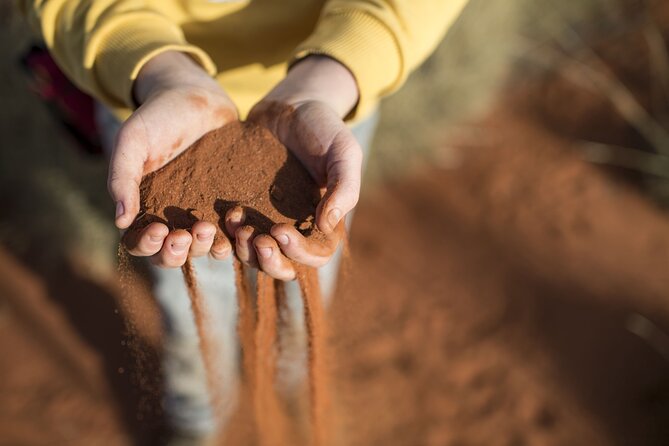
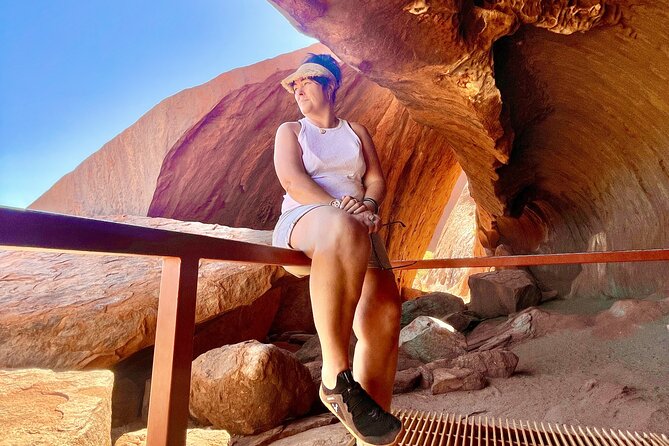
The most memorable part of this tour for many people isn’t just the sights—it’s the sleep. You get two nights’ permanent outback campsites, with two options:
- Twin shared safari tents (with bed linen, mattress, and pillow provided)
- Traditional bush single swag (canvas-covered bedroll experience)
If you like the idea of comfort and a more familiar setup, the safari tent option is the easier pick. If you want the outback feeling—sleeping under a sky full of stars and doing it in the kind of setup that makes you feel far from normal life—the swag option is the one people talk about most.
From the feedback you shared, the star-viewing is a repeated highlight: people mention skies full of stars and a cozy campfire-night vibe with swags. That doesn’t mean it’s glamping-level. One review also points out that for the price, some camp comfort items felt less generous than what you might find on other nearby setups at sunset (they mentioned things like electricity, fans, made beds, and towels). In plain terms: this is an outback safari, not a hotel stay.
So my advice: choose the sleeping option that matches how you handle “basic” comfort. If you’re okay with simple conditions in exchange for being in the desert, you’ll love it. If you expect power, strong climate control, and neatly towel-draped luxury, plan for disappointment.
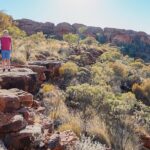

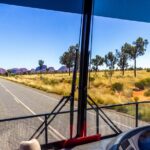

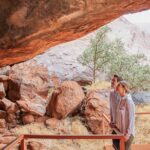
Food and Timing: Included Meals, Remote Sourcing, and Group Work
Meals are part of the value here. The itinerary includes:
- Lunch (2), Dinner (2), and Breakfast (2)
- Drinking water is provided onboard, but you’re asked to bring your own bottle
In a remote region, that’s not a small detail. It means you can plan your day around what’s served rather than hunting for food at times when options are limited. It also means you’ll spend more time with the group instead of breaking off and doing logistics.
Dietary needs: the operator says they try to cater, but you must advise dietary requirements at booking because once you leave for remote areas, they’re limited in what they can source. If you have a food restriction, don’t wait.
One review also mentions that there were a lot of vegan options for the crowd they traveled with. That’s not automatically bad—food can be excellent—but it’s a signal that the menu may skew based on what the group needs at that time. Again, booking details matter.
And yes, the tour includes group involvement: guests help with meal prep, cleanup, and loading/unloading. You’ll share tasks, then everyone relaxes after a long day. It’s a small-group dynamic thing, and it’s usually part of what makes the trip feel authentic rather than staged.
Price and Value for $570.93: What You’re Actually Paying For
At $570.93 per person for a 3-day trip, the price can look steep if you compare it to a simple “bus + tickets” day tour. But what you’re buying here is more than entry fees.
You’re getting:
- Two nights in outback accommodation (safari tents or swag)
- Uluru-Kata Tjuta National Parks pass included
- A guided program with sunrise experiences and guided bush walks
- Accredited outback driver guide with local commentary
- Transport via small-group air-conditioned mini-coach
- Meals built into the schedule (lunch/dinner/breakfast counts)
In other words, you’re paying for the whole framework: early timing, park access, guiding, and sleeping in places that are hard to recreate independently without a lot of research and careful planning.
The value question comes down to your priorities. If you care most about rugged camp nights, sunrise timing, and the walking highlights (Kata Tjuta and Kings Canyon Rim Walk), this price starts to make sense. If your priority is comfort-heavy accommodation and late mornings, you may feel the cost for the tradeoff.
The “watch out” is the comfort expectation gap. One review hints that certain camp amenities felt less robust than what you’d hope for at this price point. So go into it expecting a true outback camping environment—and you’ll feel the value more honestly.
The Biggest “Fit” Match: Who This Tour Suits Best
This is a tour for people who want the classic Red Centre hits in a tight time window without giving up guided context. It’s especially suited to travelers who:
- Don’t mind early mornings for sunrise
- Are comfortable with moderate to medium/high fitness for walks up to 6–8 km
- Want a small-group feel (max 23)
- Like the idea of sleeping in either a safari tent or a swag and being part of the camp routine
It also helps if you enjoy stories and interpretation. The tour is built around commentary and “secrets” that put the geology and cultural significance into perspective—not just checklists of viewpoints.
Quick Practical Notes: Guides, Group Feel, and Drop-Off
You’ll be traveling with a guide team that’s clearly a strong part of the experience. In the reviews you provided, guide names that came up include Brent, Da, and Carla, and multiple comments praised the guide’s friendliness and knowledge. That’s the kind of detail that affects the whole tour because it changes your pacing—everything is more meaningful when you know what you’re looking at.
Drop-off: the tour ends either in Alice Springs (around 18:30) or Uluru/Ayers Rock/Yulara (around 17:00), depending on shuttle availability. You should confirm your preference when booking. If you’re booking flights, the operator recommends you don’t book on the final day in case you’re delayed.
Should You Book This 3-Day Uluru, Kata Tjuta, and Kings Canyon Safari?
Book it if you want the Red Centre highlights packaged with sunrise timing, guided walking, and genuine outback camp nights. The combination of Uluru sunrise + Kata Tjuta + Kings Canyon Rim Walk is a strong “best of” arc, and the included park pass, meals, and accommodation mean you’re not constantly solving logistics on the fly.
Skip it or reconsider if you’re hoping for hotel-level camp comfort or if you’re not confident about daily walking. The tour clearly expects a fitness-ready participant, and camp reality is part of the experience. Also think hard if you get stressed by early wake-ups—this tour runs on them.
If you do book, choose the sleeping option that matches your comfort level, tell them about dietary needs at the time of booking, and plan to enjoy the camp work vibe—because that’s when the small-group spirit really shows.
FAQ
What time does the tour start?
The tour starts at 1:30 pm from the meeting points at Ayers Rock Airport or Ayers Rock Resort in Yulara.
Where does the tour end?
The tour concludes either in Alice Springs (around 18:30) or Uluru/Ayers Rock/Yulara (around 17:00) depending on shuttle availability. You should confirm your preferred drop-off when booking.
What kind of sleeping options are included?
You’ll stay for two nights in permanent outback campsites with either twin shared safari tents (with bed linen, mattress, and pillow provided) or a traditional single swag setup (canvas-covered bedroll).
Are meals included?
Yes. The tour includes 2 lunches, 2 dinners, and 2 breakfasts. Drinking water is provided onboard, and you’re asked to bring your own bottle.
How much walking is involved?
The operator states guided bush walks can be up to 6–8 km, depending on fitness level. The tour requires at least moderate fitness and says medium/high fitness is needed to complete the walks.
What’s the group size?
This tour has a maximum of 23 travelers.
Do I need to bring a sleeping bag?
Sleeping bags are not listed as included. You can hire one onboard for $40 AUD, and the hire includes cleaning costs. You should advise at booking if you want to hire one.
Can the tour accommodate dietary requirements or service animals?
Dietary needs should be provided at booking because options are limited in remote areas once the tour departs. Service animals are allowed.