REVIEW · ALICE SPRINGS
Alice Springs: Desert Park Entry Ticket
Book on GetYourGuide →Operated by Alice Springs Desert Park · Bookable on GetYourGuide
A trip to the desert sounds quiet—until you step inside. Alice Springs Desert Park turns a harsh-looking place into a living, working system, with plant and animal adaptations you can actually see, plus talks and shows that keep the experience moving.
I especially love the self-guided trails that let you pause at your own pace, and I’m a big fan of the free flying bird show—it’s the kind of moment that makes the whole park feel less like a zoo and more like a lesson you can watch. The one potential drawback: you’ll want more time than you think, because the park can easily eat up a half day if you stop for talks and pay attention to the animals.
In This Review
- Key reasons this ticket is worth it
- Desert Park basics: what this ticket actually gives you
- Arriving from Alice Springs: simple, low-stress logistics
- The self-guided trails: how to get value from 3–4 hours
- The free flying bird show: plan your attention, not your speed
- Desert mammals and conservation: seeing the why behind the animals
- The dry riverbed walk and river red gums you’ll actually notice
- Aboriginal knowledge: food and medicine in a dry environment
- Desert birds and the web of life
- Nocturnal area: why you shouldn’t skip it
- Timing tips: how to avoid the I-only-spent-2-hours feeling
- What to bring (so the heat doesn’t win)
- Price and value: is $27 a good deal?
- Getting the most out of it: who will love this day
- Should you book Alice Springs Desert Park entry?
- FAQ
- How long should I plan to spend at Alice Springs Desert Park?
- What time is last entry?
- Is hotel pickup included with the ticket?
- What should I bring with me?
- Is food available on site?
- How far is the park from central Alice Springs?
- How can I get to the park?
- Is the park wheelchair accessible?
Key reasons this ticket is worth it
- Self-guided walk with real interpretation: You’re not just looking; you’re learning why things survive in the dry.
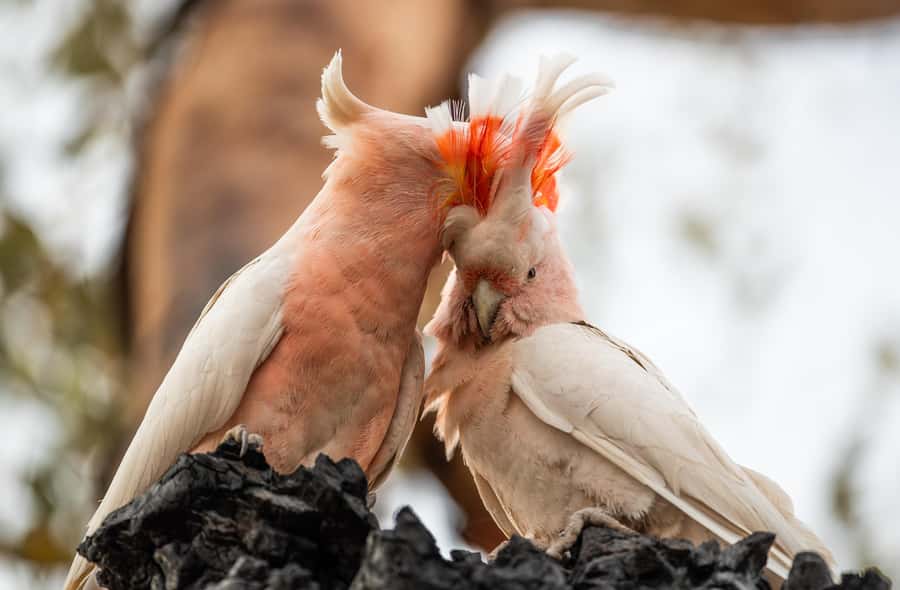
- Free flying bird show: A highlight that gives you a fast, memorable snapshot of desert birds in action.
- Endangered desert mammals and conservation: The park connects what you see with what’s being done to protect it.
- Dry riverbed and river red gums: You get the story behind a feature that looks empty until you know its role.
- Aboriginal use of plants for food or medicine: You’ll learn how people identify important desert species.
- Plan around active times and seasons: Different plants and animals take over as the day and seasons shift.
Desert Park basics: what this ticket actually gives you
This is an entrance ticket to Alice Springs Desert Park, not a guided tour with a set itinerary and pickup. That matters because you’ll control your pace. If you like to wander, read the signs, and circle back for another look at an animal habitat, this is a great fit.
The ticket is priced at $27 per person, which is fair for a full chunk of interpretive walking plus scheduled activities like interactive talks and shows. You’re also not stuck with one single attraction—this is a park built around habitats, seasonal activity, and conservation education.
Plan for about 3–4 hours to see the entire park, with last entry at 4:30pm. If you’re the type who joins talks and spends real time watching animals, I’d aim closer to 4–5 hours so you don’t feel rushed.
A few more Alice Springs tours and experiences worth a look
Arriving from Alice Springs: simple, low-stress logistics
Alice Springs Desert Park sits about 7 kilometres from the centre of Alice Springs, so getting there is easy. You can self-drive, use a public bus, hire a bike, or join a transfer.
If you’re staying in the centre and don’t want to think too hard, a short ride out to the park keeps this day from becoming a logistics project. Just keep your timing in mind—last entry is 4:30pm, so don’t plan an early-afternoon start unless you know you’ll move fast.
The self-guided trails: how to get value from 3–4 hours
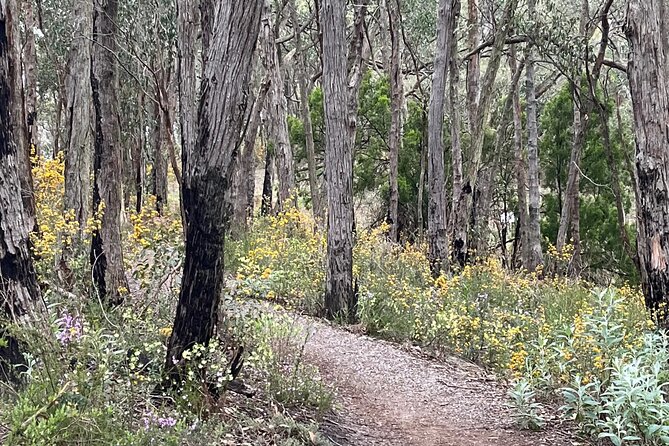
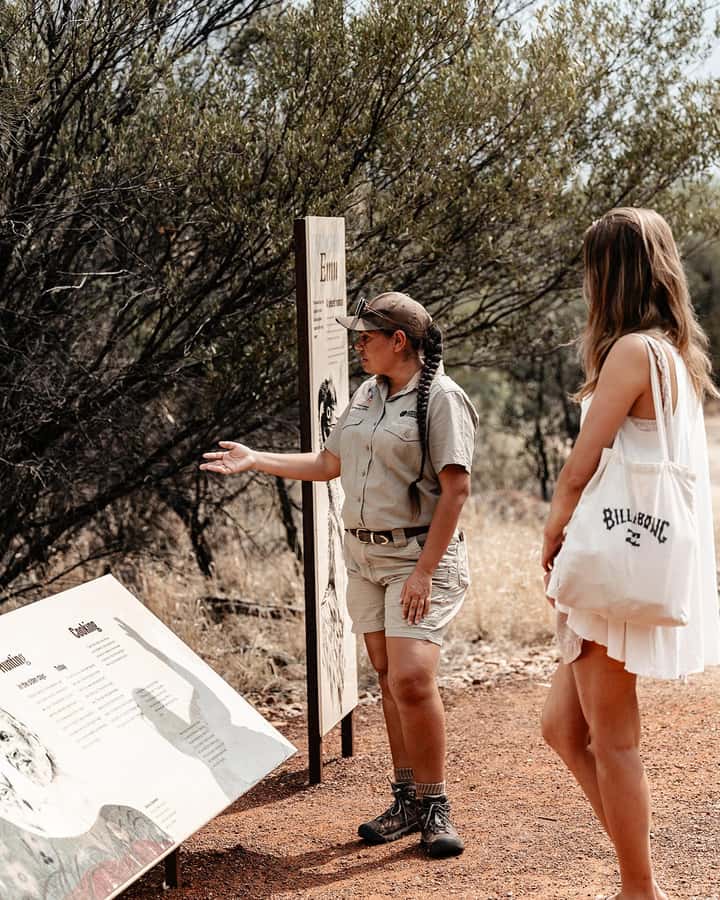
The core experience is a self-guided walk through desert habitats, supported by interpretation from experienced guides and zookeepers. Instead of a long “one-way” circuit that you can’t vary, the park is set up so you can slow down where something grabs your attention—like a plant adaptation sign, a habitat viewing area, or a conservation message.
Here’s the trick to making the most of it: don’t treat every stop as a checkpoint. Pick a few themes and follow them. For example:
- Watch how desert plants handle dryness.
- Look for how animals behave when water is scarce.
- Pay attention to the way habitats change with the seasons.
That theme-based approach turns the park from a checklist into a story you can follow in real time.
The free flying bird show: plan your attention, not your speed
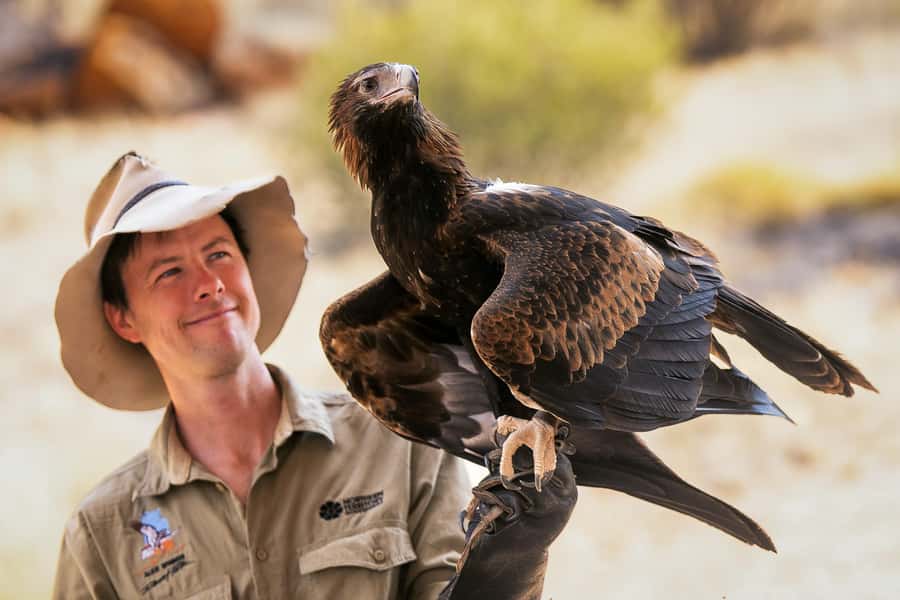
One of the biggest reasons people love the park is the free flying bird show. Even if you’re not a bird person, it’s a strong way to understand desert birds as part of a living network, not just separate exhibits.
Timing is the part you control. If you build your day around catching the show and then going back out on the trails, you’ll find the information sticks better. The show also works like a reset button: you come in interested, watch birds demonstrate natural behaviour, and then your self-guided walk feels more connected.
If you’re bringing a camera, this is your moment. Wear good shoes and be ready to follow the action with your eyes—bird watching is less about standing still and more about tracking movement.
Desert mammals and conservation: seeing the why behind the animals
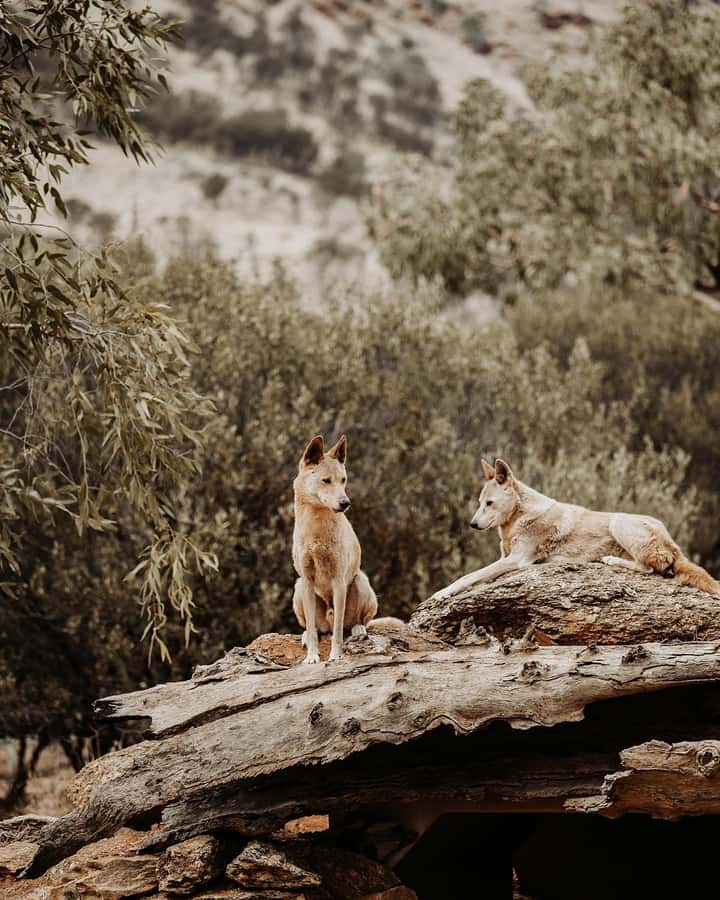
The park highlights endangered desert mammals and the conservation work connected to them. This is important because otherwise, it’s easy to think of animals as simply there to be seen. Here, the emphasis is on what’s at risk and why that matters for the desert ecosystem overall.
As you move through habitats, keep an eye out for the conservation messages tied to what you’re seeing. The park doesn’t just say these animals are rare—it helps you understand the broader goal: protecting the conditions and survival options that endangered species need.
The value for you is that you leave with context. You’ll be able to look at a mammal habitat and think, okay, this is part of a conservation story, not just a display.

The dry riverbed walk and river red gums you’ll actually notice
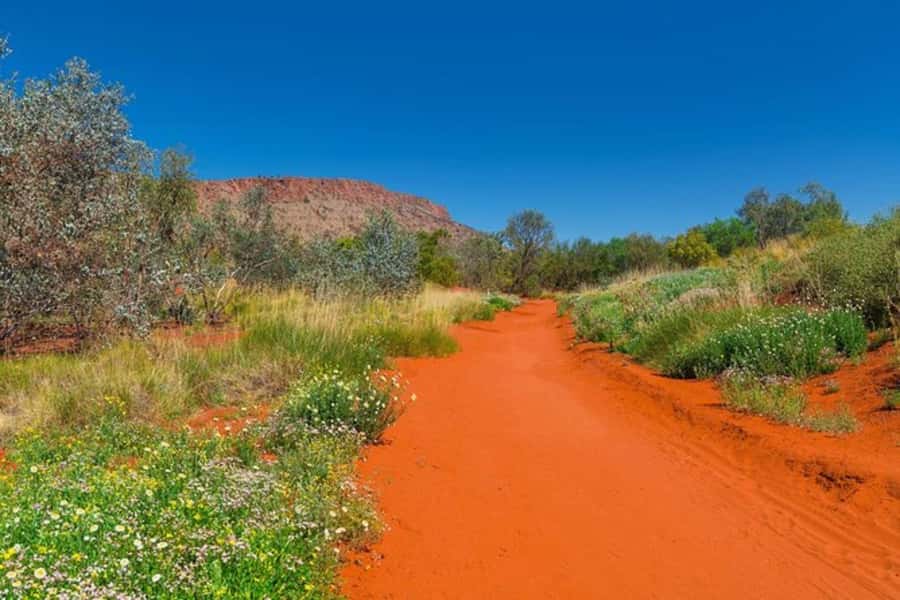
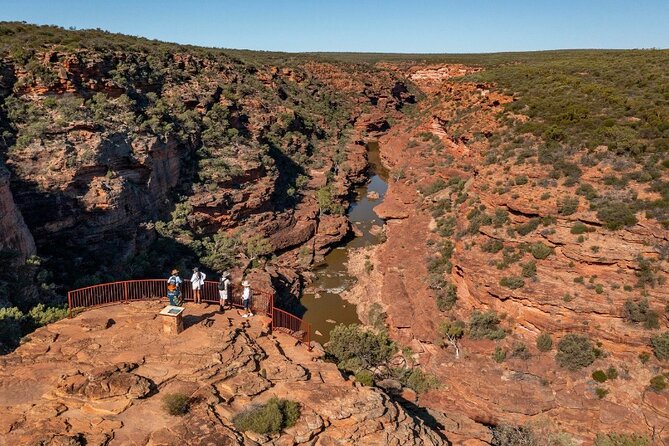
The park includes a stroll along a dry river bed, and it comes with a very specific lesson: why the river red gums are so important to animals.
This is one of those “aha” parts of desert interpretation. When you first arrive, a dry riverbed can look like a dead space. But the park frames it as a working corridor in the desert system—something that influences habitat, food, and shelter even when you don’t see flowing water.
So, when you’re walking this section, don’t rush past the vegetation. Slow down and actually look at the river red gums line. In a place defined by scarcity, the plants that matter most are the ones that support life even in dry conditions.
Aboriginal knowledge: food and medicine in a dry environment
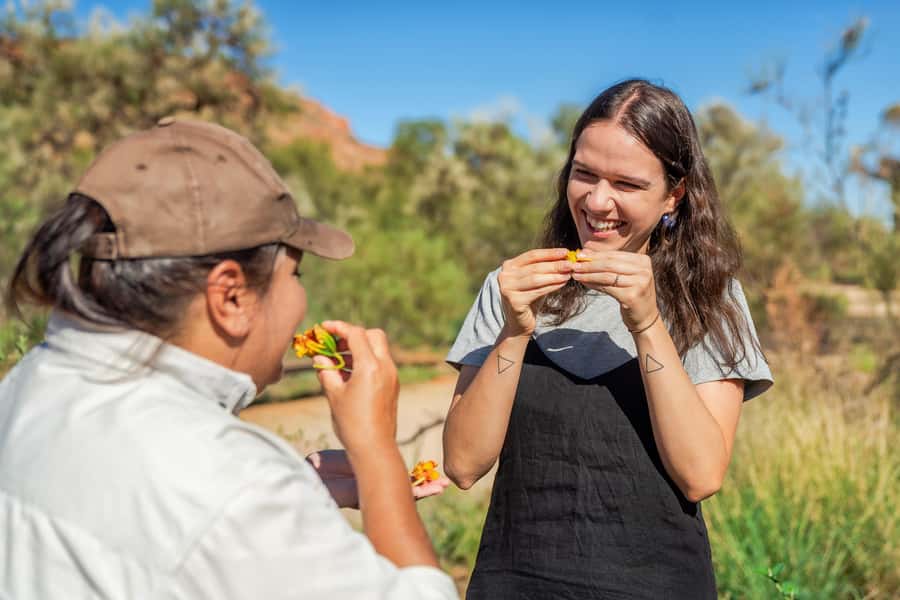
One of the most meaningful parts of the park is the Aboriginal element of the desert story. You’ll learn how Aboriginal people find food or medicines in the desert and how to identify some of the important plants and animals they use.
This isn’t presented like a generic cultural add-on. The park uses this knowledge to teach desert survival in a broader sense: what people look for, why certain species matter, and how plant identification becomes practical in a place where conditions are harsh.
If you like learning beyond science labels—if you want the human side of living with the land—you’ll appreciate this section. It also gives you a new way to read the landscape: not as empty, but as information.
Desert birds and the web of life
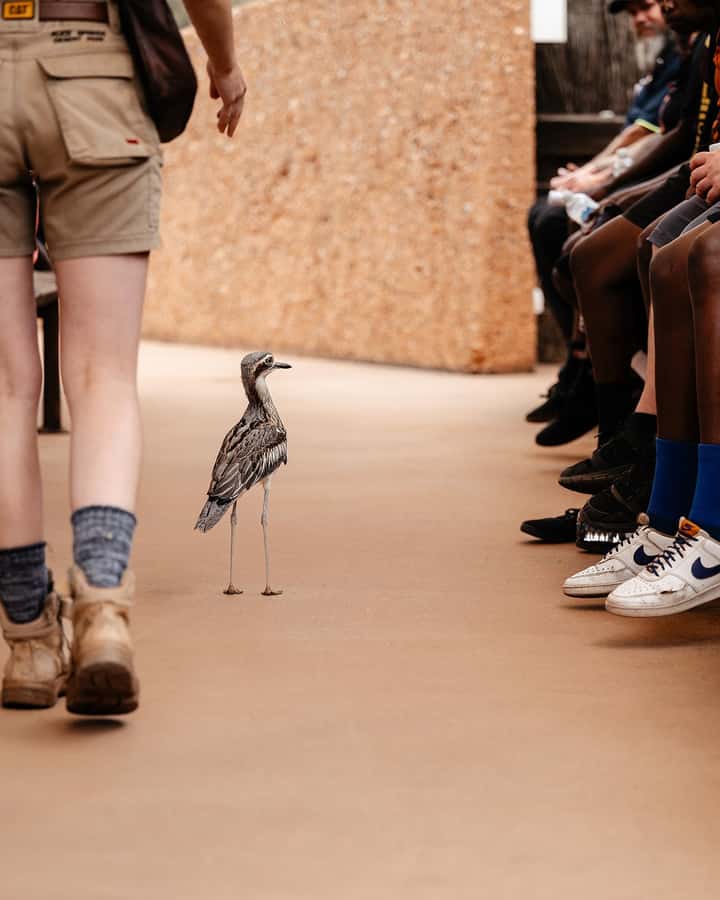
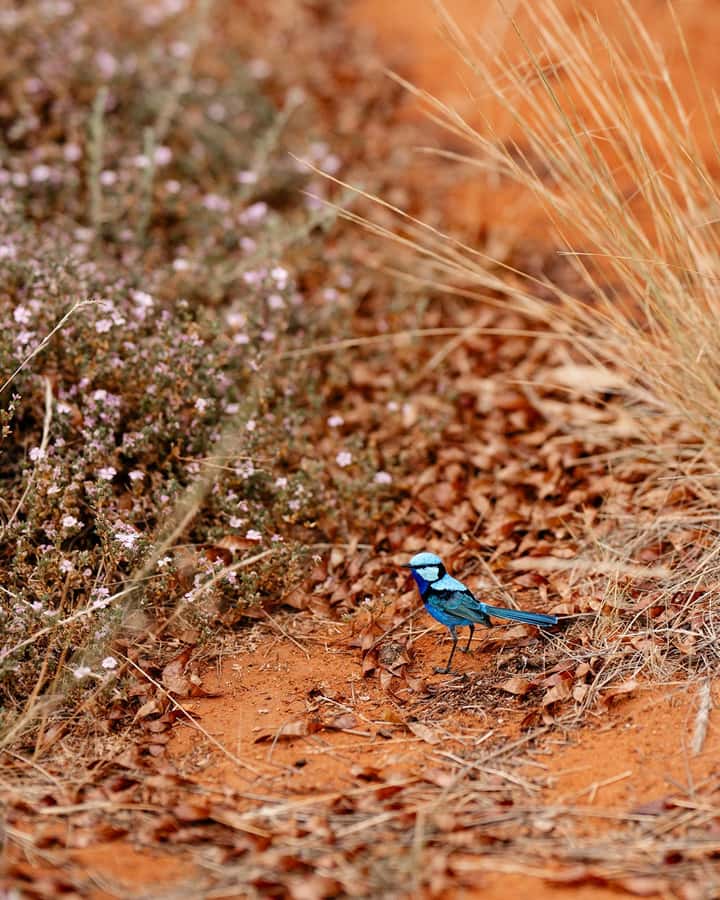
Along with the bird show, the park teaches you how to identify desert birds and how they fit into the web-of-life. Even if you don’t memorize species names, the takeaway is huge: birds aren’t random extras. They’re part of predator-prey balances, seed and insect relationships, and daily desert rhythms.
This also helps with your self-guided walking. When you’re out on the trails, your brain starts asking better questions:
- What would birds eat here?
- What would attract birds to this particular habitat?
- How does activity change when conditions shift?
That’s when a park like this stops being entertainment and turns into genuine understanding.
Nocturnal area: why you shouldn’t skip it
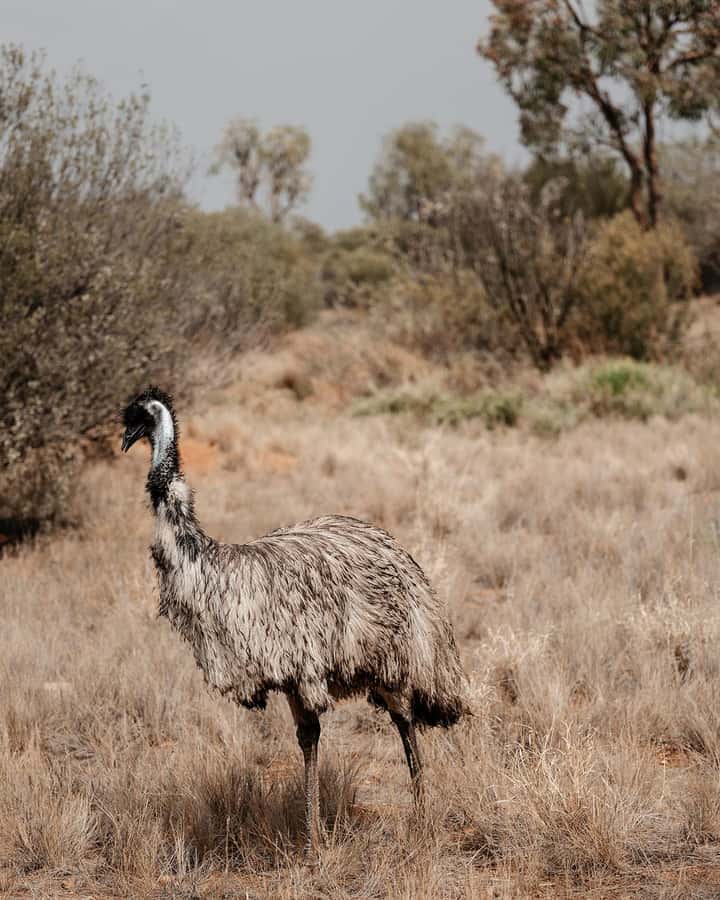
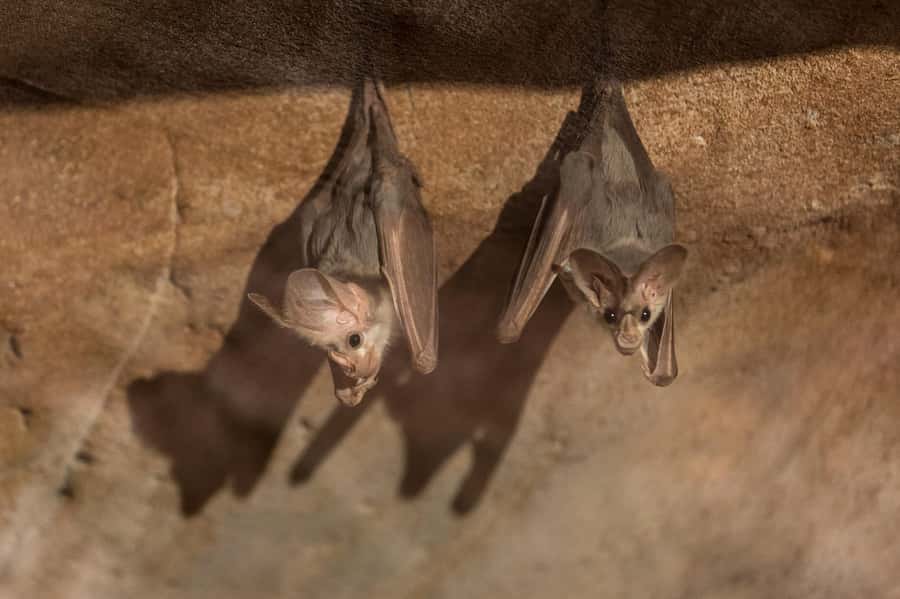
Plan on making time for the nocturnal area, because it’s specifically called out as something many people wish they’d had more time for. If you’re only thinking about daylight animals, this section can change how you read the whole park.
Even without going super deep into details, the basic idea is simple: desert life isn’t the same at all hours. Different creatures become active, and you start to see the park as a 24-hour ecosystem rather than a daytime exhibit.
If your schedule is tight, prioritize this area after your main talks or shows. It’s the part that often gets left behind when people try to finish too fast.
Timing tips: how to avoid the I-only-spent-2-hours feeling
The official guidance is 3–4 hours for the whole park, and last entry is 4:30pm. I’d still treat that as a minimum, not a maximum.
One practical reason: interactive talks and bird viewing pull you off your planned pace. Add in photo stops, reading the plant adaptation info, and the fact that animals may take a minute to show themselves, and 3 hours can feel optimistic.
My advice: build a buffer. You’ll enjoy the park more when you’re not rushing between exhibits. If you can, aim for at least 5 hours so you don’t feel like you’re skimming the good parts.
What to bring (so the heat doesn’t win)
This is desert Australia. You don’t want your day shortened by sun and dehydration.
Bring:
- Comfortable shoes
- Sun hat
- Camera
- Sunscreen
- Water
On-site, you’ll also find facilities like a café, water bubblers, an on-site gift shop, and electric scooters for hire if walking isn’t your thing. There’s also a picnic/BBQ ground, which is handy if you want a slower meal between areas.
If you’re sensitive to heat, start earlier in the day so you can spend the hottest hours in shaded viewing areas and at talks.
Price and value: is $27 a good deal?
For a $27 entrance ticket, you’re paying for more than access. You’re getting:
- A self-guided experience across multiple habitats
- Interactive shows and talks (including the free flying bird show)
- Conservation education for endangered desert mammals
- Interpretive stops about desert plants, Aboriginal plant use, and river red gums
That’s solid value because the park is built to keep you moving through ideas, not just exhibits. If you were only looking for one thing—say, birds—the ticket might still be worth it because the show anchors the experience. But the bigger value is the combination: birds + plants + mammal conservation + Aboriginal knowledge + habitat interpretation.
Where the value can drop is if you hate walking or you’re only interested in a quick photo stop. If that’s your style, you’ll want to reconsider, because the park rewards time and attention.
Getting the most out of it: who will love this day
This ticket fits best if you:
- Enjoy self-guided learning with interpretive signs and habitat viewing
- Like animals but also want the science and survival story behind them
- Want a meaningful stop in Alice Springs that goes beyond the town’s streets
- Can handle heat and want an active half-day
It’s also a good choice for families who benefit from interactive talks and a memorable bird show, as long as you plan around hydration and shade.
If you want something like a sit-down museum day, Desert Park is more physical than that—so you’ll likely prefer a different kind of outing.
Should you book Alice Springs Desert Park entry?
I’d book it if you want a desert day that teaches you how life actually works here. The combination of a self-guided trail through habitats, conservation education for endangered desert mammals, and the standout free flying bird show makes this feel like real value rather than just passing time.
Skip it only if you’re short on time, don’t like walking, or you’re not interested in desert ecology or Aboriginal plant knowledge. If you’re even a little curious about how desert life survives with almost nothing to spare, this is the kind of place that changes what you notice when you’re outside afterward.
FAQ
How long should I plan to spend at Alice Springs Desert Park?
Allow about 3 to 4 hours to see the entire park.
What time is last entry?
Last entry is 4:30pm.
Is hotel pickup included with the ticket?
No. Hotel pickup or drop off is not included.
What should I bring with me?
Bring comfortable shoes, a sun hat, a camera, sunscreen, and water.
Is food available on site?
Yes. There is a café on site, plus water bubblers. There is also a picnic/BBQ ground.
How far is the park from central Alice Springs?
It’s about 7 kilometres from the centre of Alice Springs.
How can I get to the park?
You can self-drive, take a public bus, hire a bike, or join a transfer.
Is the park wheelchair accessible?
Yes, the park is wheelchair accessible.