REVIEW · YULARA
From Yulara: 7-Day Uluru to Adelaide Tour
Book on GetYourGuide →Operated by Untamed Escapes · Bookable on GetYourGuide
Uluru has a way of getting under your skin. This 7-day outback-to-Adelaide tour is built around big starts and big walks: Uluru’s changing colours, Kata Tjuta’s sunrise, and the clifftop feeling of Kings Canyon. I also love how the guiding stays personal, with cultural learning tied to what you’re seeing, not tacked on. One thing to be ready for: this is a camping tour with moderate hikes, and the outback can hit hard with heat and long days.
You’ll sleep under stars most nights, then trade the open sky for underground life in Coober Pedy. The rhythm is simple: early views, walking, camp life, then a night sky moment. Guides like Elliott, Steve, Emily Coates, and Dan are named in past trips, and the common thread is clear—clear stories, good pacing, and safety-minded decision-making when conditions shift.
If you like comfort-first travel, this won’t be your style. If you like fresh air, practical gear, and watching the same red rocks change all day, you’ll probably settle in fast—and get a lot out of the price because it includes transport, park fees, and most meals for remote country.
In This Review
- Key things that make this tour work
- Yulara Check-In and Uluru’s Colour Change at Sunset
- Kata Tjuṯa Sunrise and Walpa Gorge: The Morning You’ll Remember
- Kings Canyon Rim Walk: Cliffs, Domes, and the Garden of Eden
- The Drive to Coober Pedy: Opal Country Goes Underground
- Fossicking at Old Timers Mine and Warren Gorge Wallabies
- Ikara–Flinders Ranges: Warren Gorge Hike, Hawker, Wilpena Pound Views
- Arkaroo Rock Trail to Adelaide: Rock Art and Clare Valley on the Way Out
- Price and What $809 Really Buys You
- Who Should Book This Outback Loop (and Who Should Skip It)
- Should You Book This 7-Day Uluru to Adelaide Tour?
- FAQ
- Where does the tour start?
- How long is the tour?
- What accommodation is included?
- Is a sleeping bag included?
- Are meals included?
- What kind of walking should I be prepared for?
- What activities are included in the national parks?
- Is this tour suitable for kids or accessibility needs?
- What’s the cancellation policy?
Key things that make this tour work
- Uluru sunrise and sunset moments, plus guided walking around the base
- Kata Tjuṯa and Walpa Gorge, starting before most people are awake
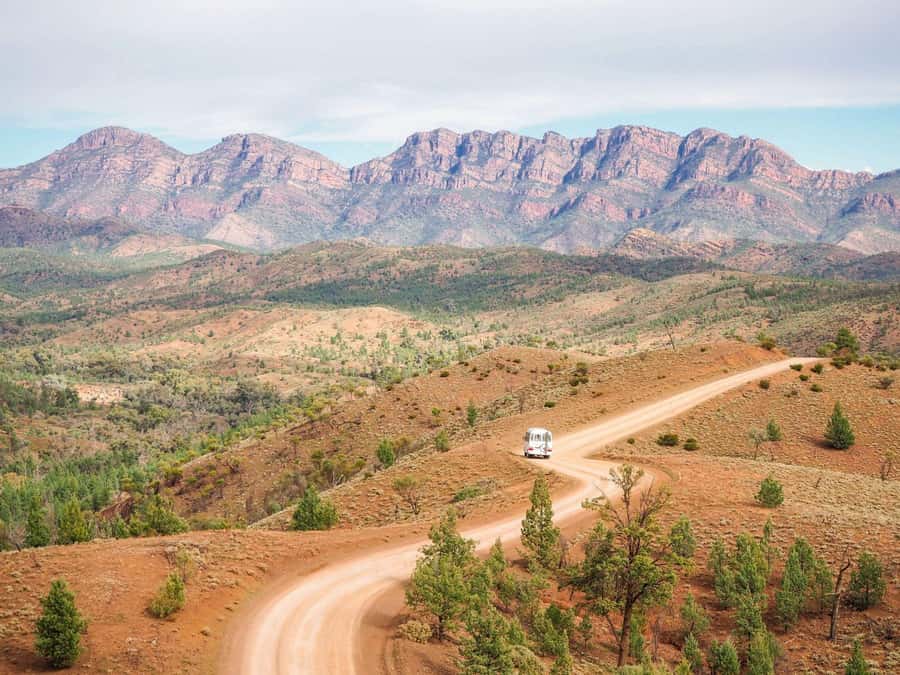
- Kings Canyon Rim Walk, including the Garden of Eden section
- Coober Pedy underground stay, so you truly sleep like an opal miner
- Flinders Ranges hikes and rock art, with a Welcome to Country and Dark Sky Reserve time
- All park entries and guided experiences bundled in, not added later
Yulara Check-In and Uluru’s Colour Change at Sunset
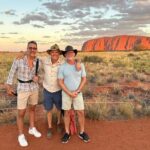
You meet in Yulara at 2:00 pm at the Desert Garden Hotel lobby, then the tour gets to the point quickly. First stop is the Cultural Centre, where you learn about Aṉangu culture before you’re dropped into the middle of Uluru’s drama. This matters more than it sounds. Uluru is not just a photo stop. The guide’s context helps you understand why the views feel spiritual, local, and layered—not just dramatic.
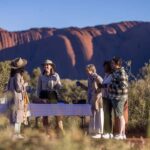
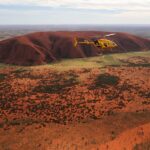
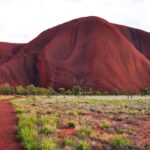
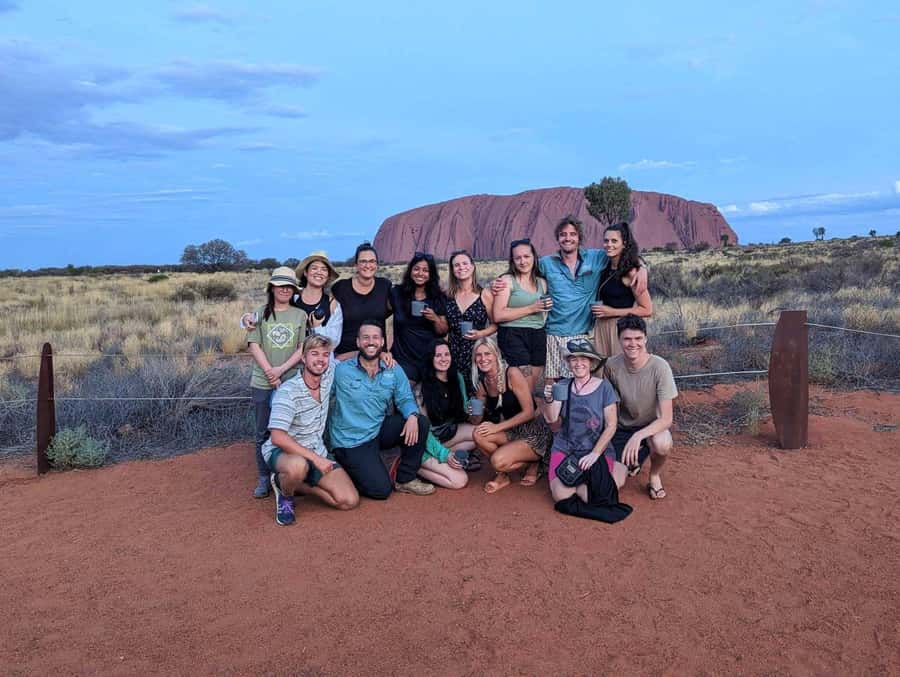
After that, you set up camp and move into the main event: watching Uluru change colour at sunset. The outback light does what it does best—turning rock from deep red to copper to something almost bronze. It’s one of those moments where you stop thinking about the itinerary and start noticing details like shadows stretching along the base.
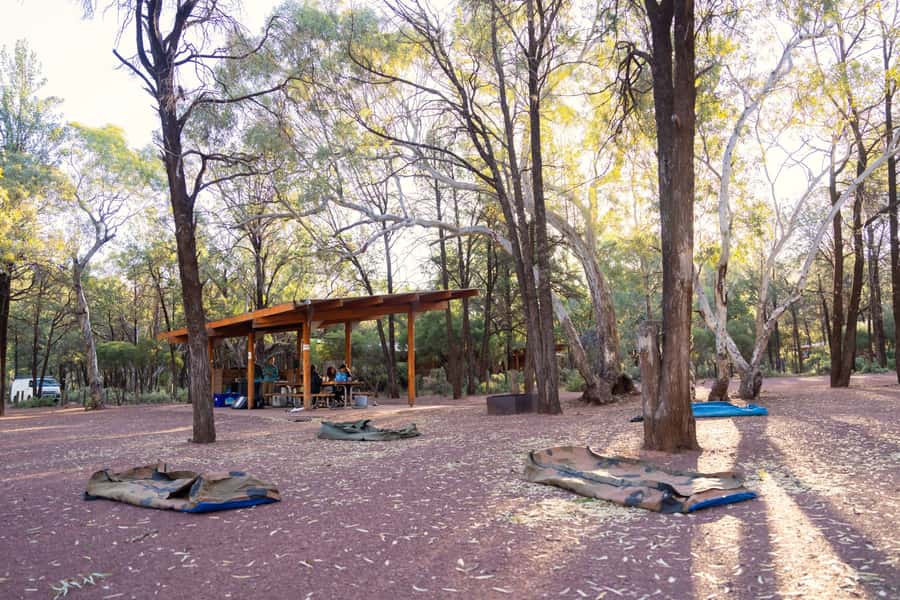
Dinner and swag camping follow, under the stars. Practical note: even if it feels “cooler” later, bring what the tour asks for—sun protection for later shifts too. A simple daypack, closed-toe shoes, and a reusable water bottle are your day-to-day survival tools here. If you don’t like camping, this is still a fair trade. The camp setup is part of the experience, and the nights are quiet in a way most cities never get you.
You can also read our reviews of more tours and experiences in Yulara.
Kata Tjuṯa Sunrise and Walpa Gorge: The Morning You’ll Remember
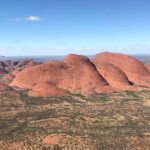
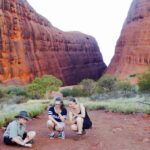
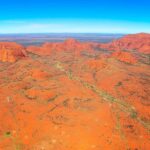
Day 2 is where you earn the bragging rights. You get up early for sunrise at Kata Tjuṯa (also known as The Olgas). The early light hits different here. Instead of flat views, you get volume—rounded rock formations and shifting shadows across the domes.
Then it’s Walpa Gorge. You’ll be walking through a narrow, scenic area where the rock walls shape the air. That means less wind than you might expect, but more sun exposure if you’re not covered. The good part? When the gorge is lit just right, the colours pop without any filter needed.
Back at camp, there’s time to relax or join optional cultural activities. I like that the schedule doesn’t force you into being “on” every minute. After lunch-type downtime, you’ll do a guided base walk around Uluru before another sunset viewing.
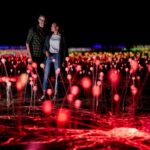
This is also when upgrades may appear, like Field of Light. If you love photography and you’re okay spending extra for a curated lights experience, it can be worth considering. But even without upgrades, you’ve got two major light shows built in: sunrise at Kata Tjuṯa and sunset at Uluru. That alone is a lot of value for a single day.
Kings Canyon Rim Walk: Cliffs, Domes, and the Garden of Eden
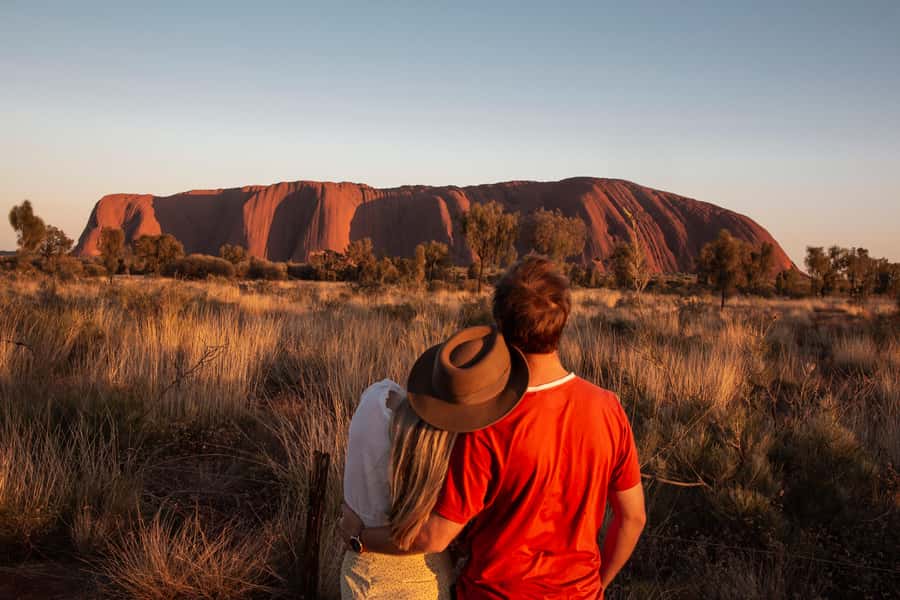
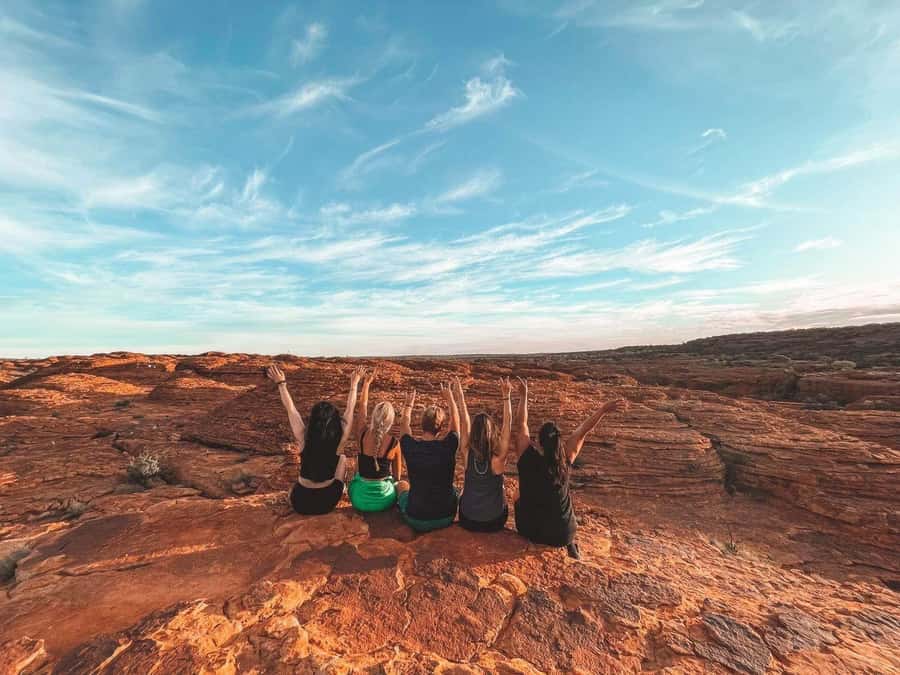
Day 3 shifts you from Uluru country to Watarrka National Park. You drive to Kings Canyon and then you do the Rim Walk. This is one of those “you feel it in your legs” walks. It’s not just a stroll. You’re climbing, stepping, and keeping your footing while looking at cliffs and domes shaped by time.
The highlight portion is the Garden of Eden. The name is dramatic, but the payoff is simple: you reach a section that feels more sheltered and lush than the surrounding arid country. Even if you’re a “I’m not a nature person” type, this section tends to click because the contrast is real.
After the walk, you head to Kings Creek Station for the evening. It’s a chance to reset. You’re swapping elevation and effort for a calmer camp moment, with time to relax before another swag night under desert skies.
A balanced expectation check: this day is one of the more active ones, so bring sturdy shoes and pace yourself. If you start too fast, the canyon will make you pay for it later. I’d rather arrive slightly breathless than stop completely.
The Drive to Coober Pedy: Opal Country Goes Underground
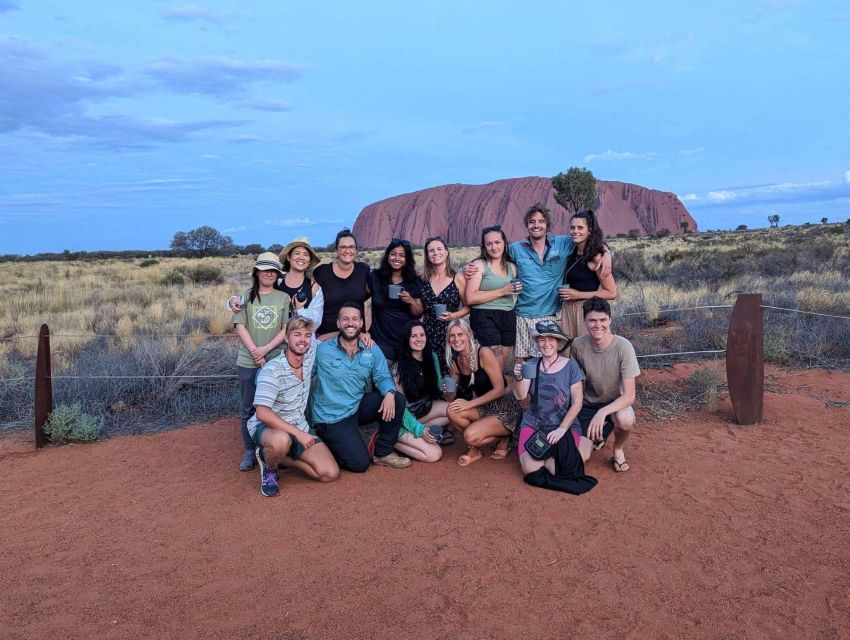
Day 4 is a big geographic shift. You cross into South Australia and travel through vast outback country to Coober Pedy, the opal capital of the world.
The key experience here isn’t only the place. It’s the idea that life is shaped by the harsh surface conditions. In Coober Pedy, many people live underground to escape extreme heat, and that concept becomes your accommodation. You arrive, settle in, and enjoy free time.
Your overnight is in an underground bunkhouse multi-share dorm. That’s a defining “only here” detail. You won’t just see a mine—your sleep happens underground too. It’s the kind of practical oddness that becomes a core memory, especially when you wake up and remember where you are.
Meals on this day are included (breakfast and dinner listed for Day 4). You can use the free time to explore local streets or simply rest—because tomorrow starts with mining-country activities and walks.
One more practical thought: underground accommodation can feel cool and dim. If you want a flashlight for night movement, it’s on the packing list for a reason. Bring it, charge it, and don’t rely on your phone battery if you’re the type who forgets to save power.
Fossicking at Old Timers Mine and Warren Gorge Wallabies
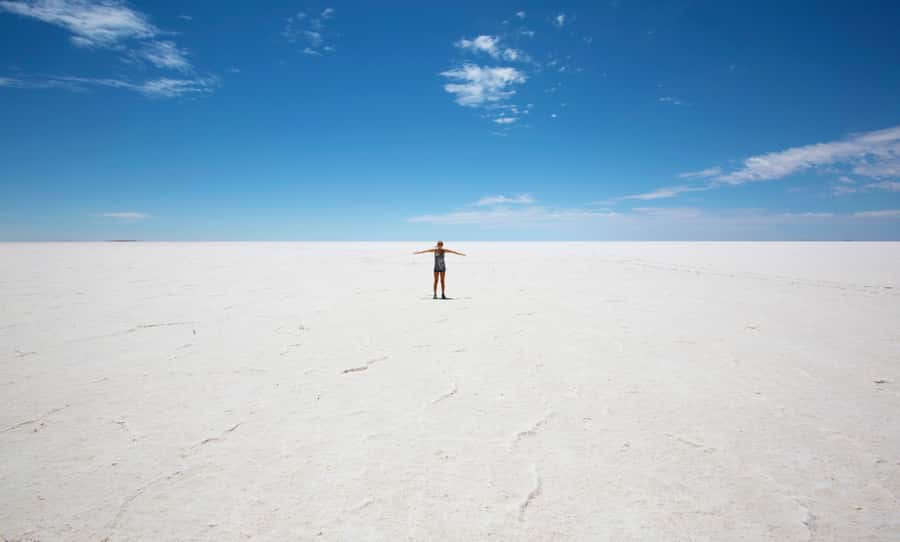
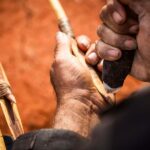
Day 5 starts with opal country, in a hands-on way. You visit the Old Timers Mine and try your luck fossicking for opals. That’s fun because it’s not just watching a process. You’re participating in a rough-and-ready tradition that’s very tied to Coober Pedy’s identity.
From there you travel to Warren Gorge, which comes with an added wildlife angle. This area is home to rare yellow-footed rock wallabies. You won’t have a guarantee of close sightings, but the setting is right, and your guide can help you scan smartly without wasting time.
Dinner is shared by the fire, then you camp under dazzling night skies. This is one of the moments where camping stops feeling like “gear and discomfort” and becomes “how did I get here?” The outback sky does most of the work.
If you’re prone to forgetting small stuff, set up a simple routine. Water first, then sunscreen, then hat. And if the weather shifts, listen to the guide. Outback conditions can change quickly, and the tour’s guidance is built around safety-minded choices.

Ikara–Flinders Ranges: Warren Gorge Hike, Hawker, Wilpena Pound Views
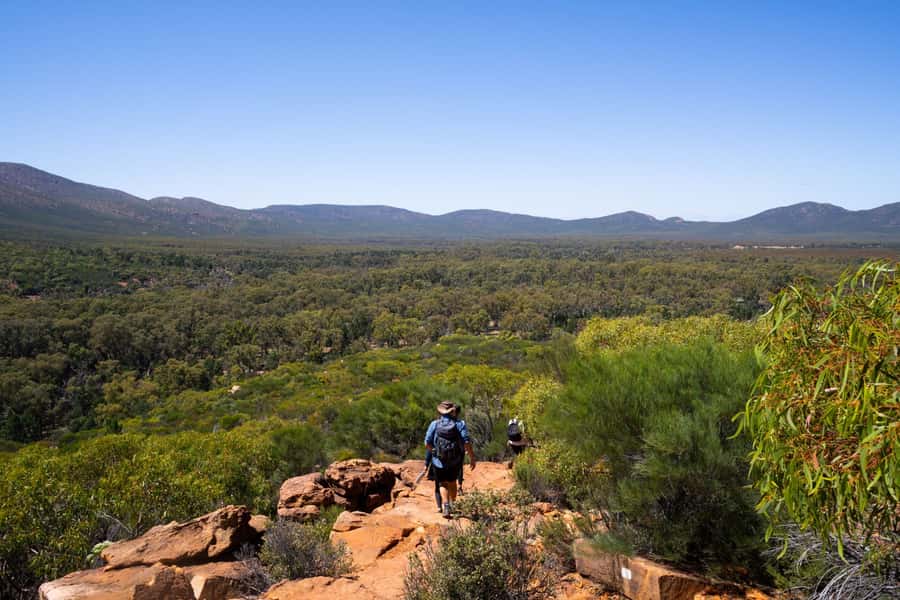
Day 6 is a full day for scenery and small-town stops, without losing the outdoors focus. You begin with a hike through Warren Gorge. It’s a repeat theme in the best way: each walk gives you a different angle on the same broader region—rock, shade, and distance.
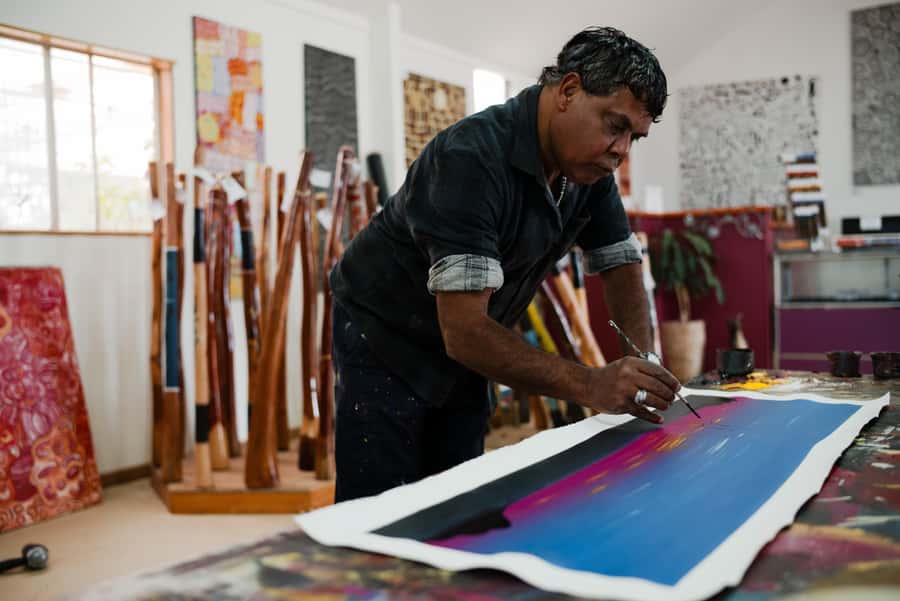
Next you visit Hawker and the Jeff Morgan Gallery. This is the part where you get a cultural and local touch beyond the national parks. Even if art isn’t your main focus, it helps break up the “just rocks” feeling that long outback trips can cause.
Then you head to Wilpena Pound for the Wangara Lookout hike. Wilpena Pound is famous for its bowl-like shape and high viewpoints. From the lookout, you’re basically looking into a natural amphitheatre carved over time. It’s the kind of view that makes you understand why people plan their walking routes around specific ridges.
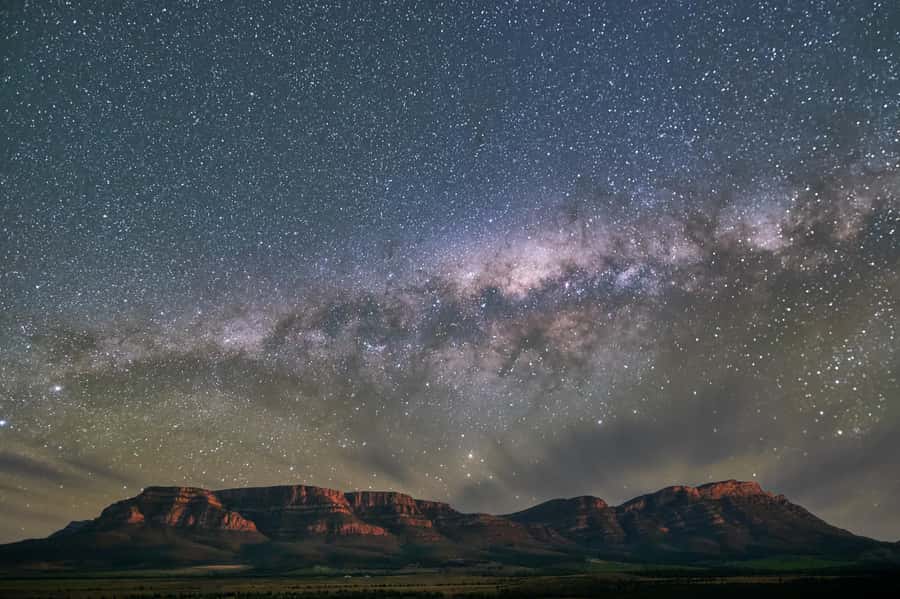
In the evening, you join a Welcome to Country with a Yura guide. After that, you get time to relax under a Dark Sky Reserve. That combination—cultural welcome and night-sky time—feels like the tour’s way of saying: look at the ground, and then look up. You’ll likely see stars that feel brighter than what you’re used to.
Arkaroo Rock Trail to Adelaide: Rock Art and Clare Valley on the Way Out
Day 7 starts with walking Arkaroo Rock Trail to see ancient Adnyamathanha rock art. This matters because it shifts your attention from geology to human presence. The rock isn’t just scenery. It’s a place where stories and markings sit in the same frame as the views.
After the walk, you travel south through Quorn and the Clare Valley wine region, arriving in Adelaide around 7:00 pm. This is your soft landing day. You’ve already done the tough outdoor portion, so the trip becomes more about finishing in comfort and getting yourself back to civilisation.
If you’re using Adelaide as a base, plan your evening like a normal person: no big adrenaline plans after arrival. You’ll be tired. That’s normal. You’ve been up for sunrise walks and stacking days of walking and heat management.
Also, think about your gear before you leave on the last day. If you packed light earlier, you’ll feel a lot better as you head into Adelaide.
Price and What $809 Really Buys You
At $809 per person for 7 days, this tour isn’t cheap in a city sense. But in outback logistics terms, it’s a fair deal because your cost is covering what’s hard to DIY.
Here’s what’s included based on the tour details:
- 5 nights swag camping with facilities, plus 1 night underground bunkhouse dorm
- All activities and experiences
- 6 breakfasts and 3 dinners
- All national park and entrance fees
- A storyteller guide and an air-conditioned vehicle
The biggest value item for most people is the “remote effort” you don’t have to manage: transport across huge distances, entrance fees, timing for sunrise/sunset, and guided interpretation so your hikes mean more than miles.
The cost gaps to watch for:
- Swag upgrades aren’t included, so you’ll camp in the standard setup.
- A sleeping bag isn’t included. If you don’t already own one, factor that into your budget now rather than later.
My practical take: this price works best if you want guided access to places that are expensive and time-consuming to reach on your own. If you already love camping and you’re confident with long drives, you could self-plan—but you’d be trading away the guide-led storytelling, which is a big reason this itinerary feels meaningful.
Who Should Book This Outback Loop (and Who Should Skip It)
This tour is aimed at adults and active travellers. It’s not suitable for children under 12, and it’s also not suitable for people with mobility impairments. A moderate fitness level is required, and you should be ready for walks between about 3 to 12 kilometres on some days, sometimes with rough ground and possibly getting wet.
So who will love it?
- You enjoy sunrise/sunset timing and don’t mind early starts
- You’re comfortable sleeping in a swag most nights
- You like hikes where views reward effort
- You want cultural context while you walk, not after the fact
Who might not?
- You want guaranteed comfort every night and minimal walking
- You’re sensitive to heat (the tour runs with weather-aware guiding, but you’re still in the outback)
- You want a fully guided “sit and watch” style day—this isn’t built like that
One more thing that surprised me (in a good way): camp involvement is required. You may help with meals and pack-up. That’s not a dealbreaker. It’s the trade for being part of the real rhythm of the trip.
Should You Book This 7-Day Uluru to Adelaide Tour?
If you want the outback version of meaningful travel—stars, walking, cultural learning, and remote country—this is a strong choice. The itinerary concentrates the best-known natural icons (Uluru, Kata Tjuṯa, Kings Canyon, and Flinders Ranges) and adds two practical “you can’t fake this” experiences: camping under the stars and sleeping underground in Coober Pedy.
Book it if you can handle:
- Moderate hikes and rough footing sometimes
- Camping reality (bring the gear the tour asks for)
- Long days with early starts and heat management
Skip it if you need mobility support, low physical demands, or a hotel-style comfort level.
One smart move before you go: pack like you’re walking all day and camping all night. Closed-toe shoes, sunscreen, insect repellent, a hat, and a flashlight aren’t optional in spirit—they’re the small items that decide whether you feel good or miserable.
FAQ
Where does the tour start?
The guide meets you at the lobby of the Desert Garden Hotel at 2:00 pm.
How long is the tour?
It’s a 7-day tour.
What accommodation is included?
You get 5 nights swag camping with facilities, plus 1 night in an underground bunkhouse multi-share dorm in Coober Pedy.
Is a sleeping bag included?
No. A sleeping bag is not included.
Are meals included?
Yes. Meals are included as listed: 6 breakfasts and 3 dinners.
What kind of walking should I be prepared for?
You need a moderate fitness level and should be ready for walks between 3 and 12 kilometres on some days, sometimes on rough ground and possibly in wet conditions.
What activities are included in the national parks?
The tour includes experiences such as walking at Kata Tjuṯa and Uluru, the Kings Canyon Rim Walk at Watarrka National Park, fossicking at Old Timers Mine, hikes in Ikara–Flinders Ranges National Park including Warren Gorge and a Wangara Lookout hike, and a rock art walk on the Arkaroo Rock Trail.
Is this tour suitable for kids or accessibility needs?
No. It’s not suitable for children under 12 or for people with mobility impairments.
What’s the cancellation policy?
You can cancel up to 7 days in advance for a full refund. There’s also a minimum of four people required for the tour to operate; if it can’t, payments are handled via transfer to future dates or a full refund.