REVIEW · YULARA
Uluru: Patji Aboriginal and Cultural Experience
Book on GetYourGuide →Operated by SEIT · Bookable on GetYourGuide
Uluru’s stories feel personal here. The Patji Tour takes you into Aṉangu country with Patji family stories and a 4WD route to sacred places. It’s a rare chance to hear lived experience and learn how people survived here before tourism.
I like that the day is built around people, not just stops on a map—time with the Traditional Uluru Family on their homelands, plus explanations of how the land connects to culture and spiritual meaning. And I really enjoy the payoff at the end: afternoon tea and sunset drinks out in the open, followed by views from a private sand dune over Uluru and Kata Tjuta.
One thing to consider: the tour experience relies on interpretation and pacing, and language coverage can vary by guide. If you’re expecting every moment to match a very specific list (ceremonies, elder talks, or lots of English narration from the Aṉangu guide), plan with flexibility and ask questions before you go.
In This Review
- Key Highlights You’ll Actually Feel
- Patji Homelands: What Makes This Uluru Tour Different
- 4WD Route and Sacred Stops: What the 7 Hours Are Like
- The Uluru Family and Aṉangu Guides: Listening Is the Real Activity
- Expectations Check: Sacred Sites and Ceremonies (Without the Confusion)
- Sunset From a Private Sand Dune: The Payoff Scene
- Food, Timing, and Winter vs Summer Details That Matter
- Price and National Park Ticket Math (Worth It or Not?)
- Small Group Experience and the English Guide Question
- Who Should Book the Patji Tour (and Who Might Not)
- Packing Tips: The Desert Stuff You’ll Be Glad You Brought
- Should You Book This Tour?
Key Highlights You’ll Actually Feel
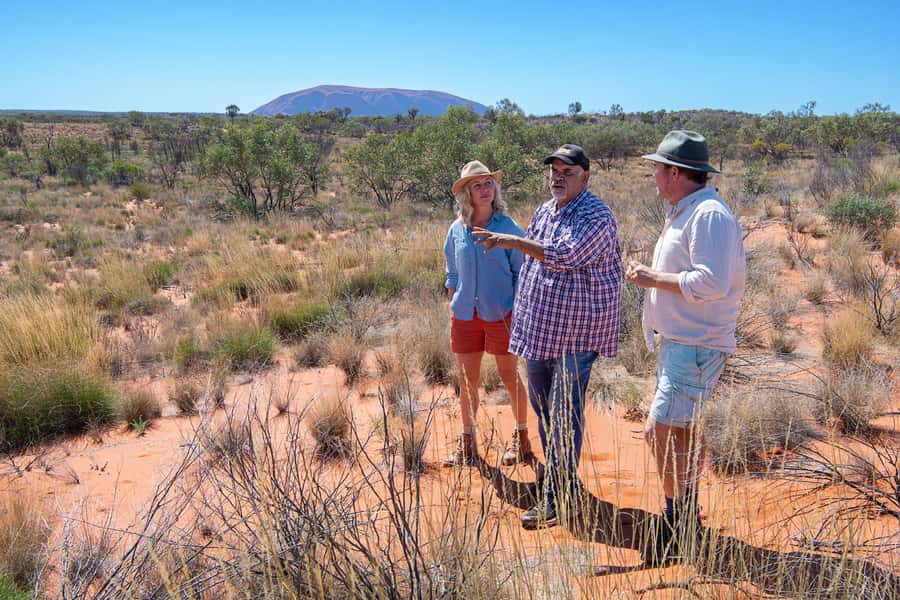
- Patji homelands with the Uluru family: you’re not just passing through
- 4WD country stops: you get to sacred, meaningful locations beyond the main road sights
- Stories with context: land rights history (including Paddy Uluru) and survival stories
- A private sand dune sunset view: Uluru and Kata Tjuta framed without the usual crowd chaos
- Small group size (max 9): easier questions, better attention from guides
- Seasonal food moments: morning tea/light lunch in some seasons, afternoon tea and sunset bites in both
Patji Homelands: What Makes This Uluru Tour Different
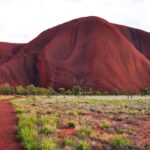
Most Uluru days are about the famous rock and the main lookouts. The Patji Tour changes the focus. You head to Patji, the homelands of the Traditional Uluru Family, located just outside Uluru-Kata Tjuta National Park to the south of Uluru. That location matters because you’re not only looking at the region—you’re being introduced to how Aṉangu understand and live with it.
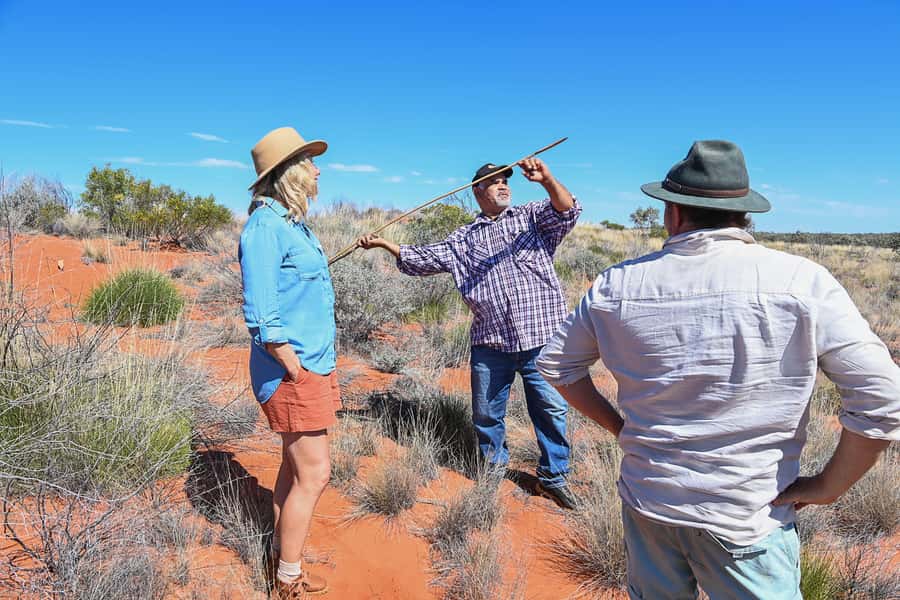
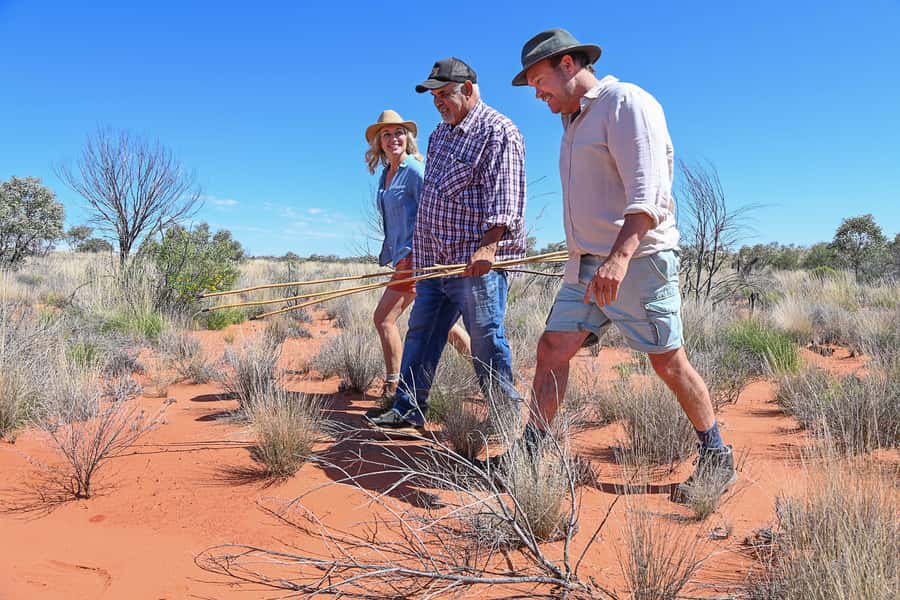
The big value is that this day is framed as a meeting with people and place at the same time. You’re traveling by 4WD with an Aboriginal guide, and the stops are there to support stories: spiritual significance, cultural practices, and what the desert requires from daily life. If you want a “see-and-go” outing, this isn’t the style.
I also appreciate the tone of the experience. It’s designed for learning and respect, not for speed runs. You’ll spend real time listening and asking questions, and that’s where the tour stops feeling like a product and starts feeling like understanding.
You can also read our reviews of more tours and experiences in Yulara.

4WD Route and Sacred Stops: What the 7 Hours Are Like
This is a 7-hour experience built as a flow: hotel pickup, 4WD travel, storytelling stops, then a strong end with sunset viewing.
A practical way to picture your day:
- You start with hotel pickup and head out before the hottest or most washed-out light (seasonal timing changes by winter vs summer itinerary).
- The road takes you into wide desert country. This is where the guide’s explanations do the heavy lifting—what you see in the distance becomes meaningful once you hear why it matters.
- Along the way, you stop to hear stories tied to significant locations. One example included in the tour approach is Paddy Uluru’s efforts for Aboriginal land rights, connecting past struggle to the Uluru story you see today.
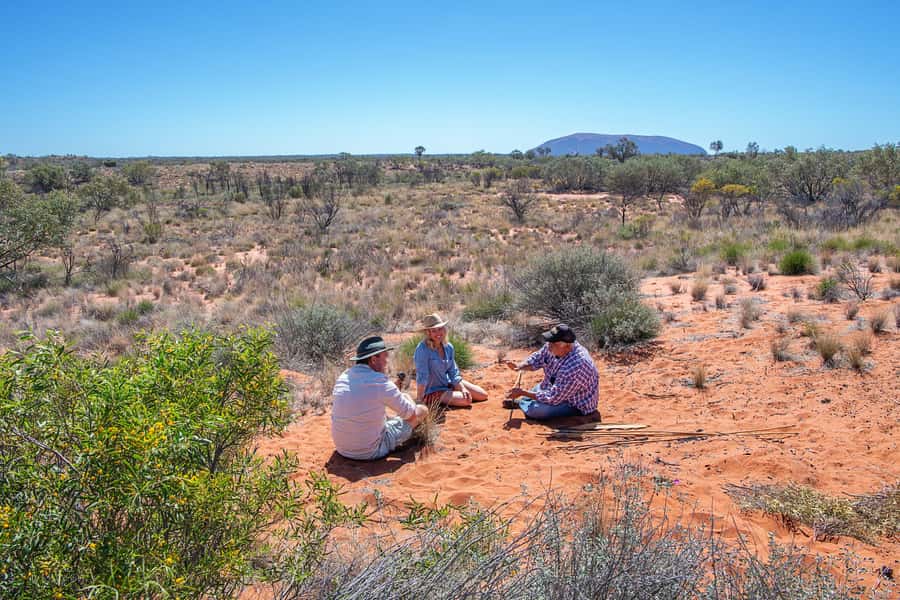
- Later, you reach a point with a private sand dune view that looks back toward Uluru and Kata Tjuta—the kind of scene you’ll remember long after the photos fade.
A drawback to keep in mind: because this is a culture-first tour, the schedule can feel less “tick-box” than a typical sightseeing circuit. If you’re the type who wants guaranteed ceremonial content or a very specific elder-lecture format every time, you may want to confirm expectations in advance.
The Uluru Family and Aṉangu Guides: Listening Is the Real Activity
This tour’s heart is the personal layer—time with the Uluru family and their stories. The idea is simple: you’re learning from people who carry the connection to the country in a lived way, not just from someone reciting facts.
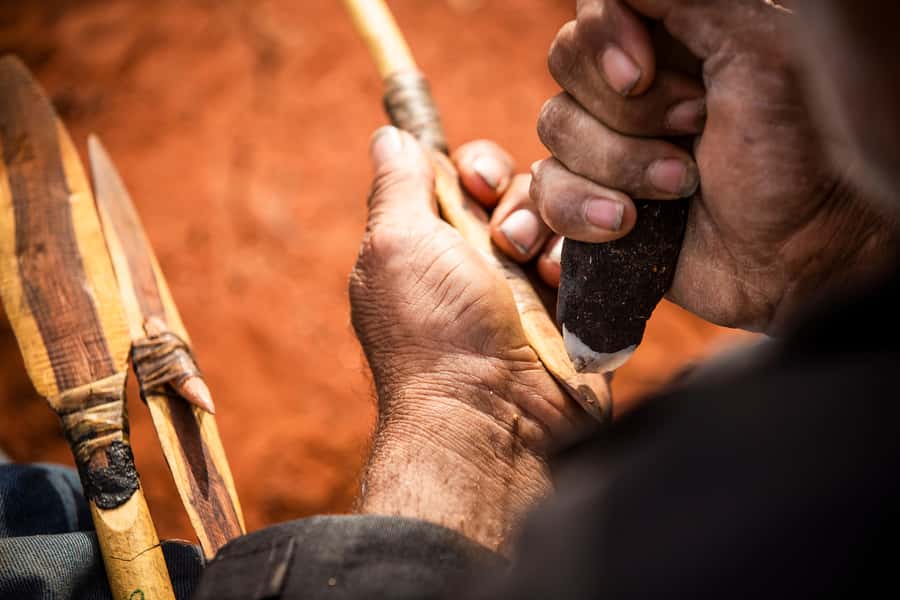
You’ll spend time learning about Patji and the experience of surviving in the desert. The tour includes a moment under a remote shelter, where you can hear how life worked before tourism changed the region. That kind of stop is valuable because it turns the desert from a backdrop into a daily reality: heat, water, shelter, movement, and how knowledge keeps you steady.
What I find especially important is the guide pairing. This tour lists a SEIT professional guide plus an Aboriginal guide. In real-world terms, that often means you’ll get both:
- cultural guidance grounded in the homelands connection, and
- broader interpretation and context through the SEIT guide’s role (and English narration).
In feedback for this tour, the combination of an Aṉangu guide (such as Kelly) with a SEIT guide (such as Pete) gets praised for making the day feel genuine rather than staged. That matters because the strongest cultural tours don’t just inform—they help you understand how to listen.
Expectations Check: Sacred Sites and Ceremonies (Without the Confusion)
The tour describes a deep cultural experience with sacred-site exploration and educational insights. The overall vibe is definitely meant to go beyond standard viewpoints.
Still, here’s the practical reality: the exact balance of what you experience can shift based on how the day unfolds, and how language is handled in the moment. The tour is delivered in English with a live tour guide, but interpretation from the Aṉangu guide can vary by group.
So if you’re coming with high expectations for a very particular program style—specific ceremonies, lots of direct elder talk from the Aṉangu side—don’t assume it will look identical to your mental checklist. A better approach is to treat this as a guided relationship with Patji: stories, sacred meaning, and personal context, with cultural sharing as the main event.
That said, the structure is still clear: 4WD travel, sacred stops, a remote shelter story, then sunset viewing from a private dune. Those are the pillars of the day.
Sunset From a Private Sand Dune: The Payoff Scene
The ending is set up like a reward. After your afternoon storytelling, you reach a private sand dune for a big, open view over Uluru and Kata Tjuta.
Before the best part of the sky, the tour includes afternoon tea, non-alcoholic sunset drinks, and appetisers at the sunset viewing. This is smart for two reasons:
- You’re not rushing off the moment the light turns golden.
- Food and drinks make the viewing feel like an occasion, not a photo stop.
A practical tip: bring your patience for the slow parts. The viewing moment is about staying present. The desert can be dramatic even when clouds do nothing. If the wind picks up, close the snack bag and enjoy the show anyway.


Food, Timing, and Winter vs Summer Details That Matter
The itinerary shifts by season, and the inclusions reflect that.
You’ll have:
- Morning tea and light lunch on the appropriate winter or summer itinerary
- Afternoon tea plus non-alcoholic sunset drinks and appetisers at the sunset viewing
Why this matters: with long travel time and time outdoors, nutrition keeps you from getting cranky halfway through the day. Also, warm seasons can mean you’ll be outside for longer stretches, so the fact that the tour includes planned breaks is not a luxury—it’s part of making the day work.
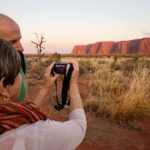
Plan around the sun too. You’re in the Northern Territory; you’ll want sunscreen, a hat, and closed-in shoes as the tour asks. And bring a camera, because the view from the sand dune is a big moment.
Price and National Park Ticket Math (Worth It or Not?)
The tour price is $275 per person for 7 hours. That price includes:
- the SEIT professional guide and Aboriginal guide
- hotel pickup
- seasonal itinerary delivery
- morning tea/light lunch or afternoon tea/sunset snacks (depending on season)
- sunset viewing refreshments
What’s not included is the Uluru-Kata Tjuta National Park ticket, which costs an additional $38.00 per adult and is valid for three consecutive days. Under 18 is free (you need to request this at booking).
So your real budget is:
- Tour fee ($275) + park entry ($38 adult)
Is it good value? For me, yes—if you care about culture as the centerpiece. You’re paying for more than transport. You’re paying for guided storytelling in Aṉangu country, plus access by 4WD to meaningful stops, plus that sunset setup with food and drinks. If your goal is only quick photo time at the rock, other options can look cheaper. But if you want to understand what you’re seeing, this price makes sense.
Small Group Experience and the English Guide Question
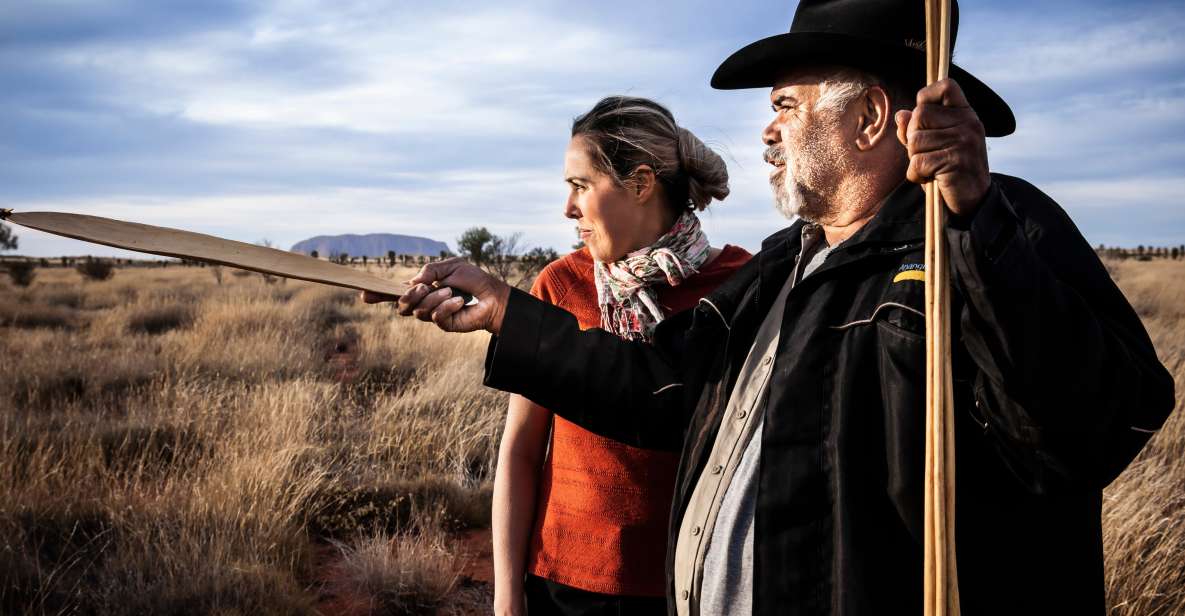
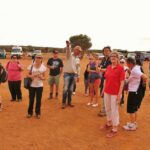
This tour keeps things intimate: limited to 9 participants. That small size matters at Uluru, where big-group tours can turn listening into background noise.
You’ll also have:
- English as the live tour language
- a live tour guide
- guides working together (SEIT + Aboriginal guide)
If English clarity is crucial for you, the safest plan is to treat questions as welcome. When you’re in a small group, you can ask for clarification on stories you don’t fully catch the first time.
And if you’re hoping for lots of ceremonial detail on cue, don’t rely on that. This tour’s core promise is sacred-site exploration and educational insight through shared stories. Those themes should be the backbone of your day, even if the moment-to-moment style changes.
Who Should Book the Patji Tour (and Who Might Not)
This tour is best for you if:
- you want a true Aboriginal cultural experience with a real connection to place
- you prefer small groups and conversation over crowds and rushing
- sunset views plus guided meaning are your idea of a great day
You might think twice if:
- you need a tightly scripted program with guaranteed ceremonial content at specific times
- you’re traveling with very young kids (it’s not suitable for children under 5)
- you want the rock-only, viewpoint-only experience with minimal storytelling
If you’re the type who wants to leave Uluru with more understanding than photos, this fits.
Packing Tips: The Desert Stuff You’ll Be Glad You Brought
The tour asks for a pretty straightforward kit, and it’s all sensible:
- clothing appropriate to the season
- sunscreen
- closed-in shoes
- hat
- camera
My practical add-ons:
- bring a light layer for evenings (desert air can shift)
- keep water habits in mind even with included snacks
- charge your camera—sunset lighting can be gorgeous but your battery may not be
Also: you’ll be in 4WD most of the day, which can be bumpy. Wear shoes you trust.
Should You Book This Tour?
If you’re visiting Uluru and you want more than the usual lookout loop, the Patji: Uluru Aboriginal and Cultural Experience is a strong choice. The day’s structure—4WD travel, sacred-site stops, storytelling with the Uluru family, and a private sand dune sunset with tea and snacks—supports a culture-first experience that feels respectful and personal.
I’d book it if culture and listening matter to you more than checking off a standard schedule. Skip it (or at least set expectations) if you want guaranteed ceremonial programming or a very rigid list of elder-facing moments.
In short: if your goal is to understand Patji and what the land means, this tour is built for that.