REVIEW · YULARA
Uluru & Kata Tjuta Safari Camping Tour
Book on GetYourGuide →Operated by Adventure Tours Australia · Bookable on GetYourGuide
Uluru at night feels unreal. This 36-hour tour pairs a Kata Tjuta hike with an Uluru sunrise and Aboriginal cultural storytelling, so the Red Centre hits hard and fast. You’re not just ticking boxes.
I also love that the camping setup is proper: beds, linen, a fan, and a powered camp feel more comfortable than you might expect. One thing to consider: the early start and the desert walking can be demanding, and you’ll want to pack for cold nights and insects.
In This Review
- Key things that make this tour worth your time
- Kata Tjuta first: valleys, chasms, and that afternoon glow
- Sunset snack to camp dinner: timing that makes the Red Centre feel cinematic
- Camping under the stars: comfortable enough to sleep, desert enough to remember
- Uluru sunrise the next morning: when the guide sets the meaning
- The full Uluru base walk: your time to see it properly
- Getting from hike to horizon: what “included” really means here
- Price and value at $421: good value if you want guided context
- Packing and weather reality: the stuff that can make or break your comfort
- Who should book this Uluru and Kata Tjuta safari camp tour
- Should you book it?
- FAQ
- How long is the Uluru and Kata Tjuta safari camping tour?
- What time should I plan my flight for on the first day?
- What’s included in the tour price?
- Are snacks and alcohol included?
- What type of accommodation will I have?
- Is there a luggage limit?
- Is the tour suitable for young children or mobility needs?
Key things that make this tour worth your time
- Kata Tjuta guided hike through valleys and chasms, with scenery you can’t get from the road
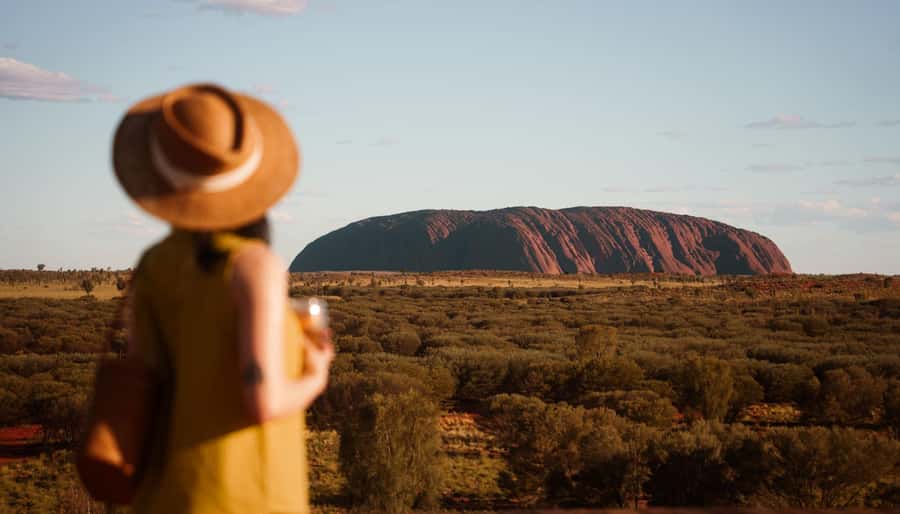
- Sunset snack and big-color views as the light changes across Uluru
- Permanent safari tents with real beds plus dinner and breakfast included
- Uluru sunrise with cultural context tied to Anangu rock art and creation stories
- Full Uluru base walk self-guided after you’ve got the meaning behind the place
Kata Tjuta first: valleys, chasms, and that afternoon glow
The trip starts with pickup from Yulara or Uluru Airport in the early afternoon window, typically between 1:15 and 2:00 pm. You’ll move around in an air-conditioned vehicle, which matters in the heat because the big walks come quickly after you arrive.
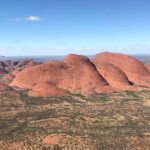
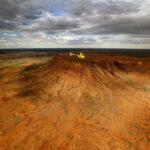
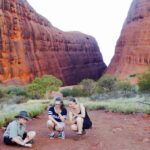
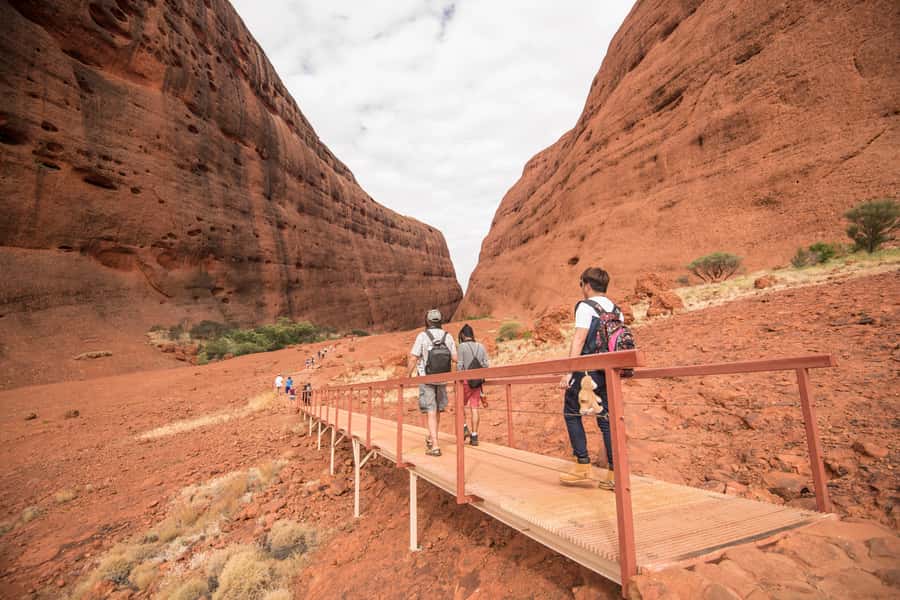
Day 1 centers on Kata Tjuta, also called The Olgas. Your guide takes you out on foot through broad valleys and winding chasms, so you get the sense of scale that you miss when you only drive past viewpoints. This is the part of the tour where your legs wake up, and your camera gets its first real workout.
A practical note: lunch isn’t included on Day 1. Eat before you go, and don’t assume you can rely on snacks right away. Once the hike is done, you’ll be set up for sunset, when the desert color shifts in a way that makes Uluru look like a different monument every few minutes.
You can also read our reviews of more tours and experiences in Yulara.

Sunset snack to camp dinner: timing that makes the Red Centre feel cinematic
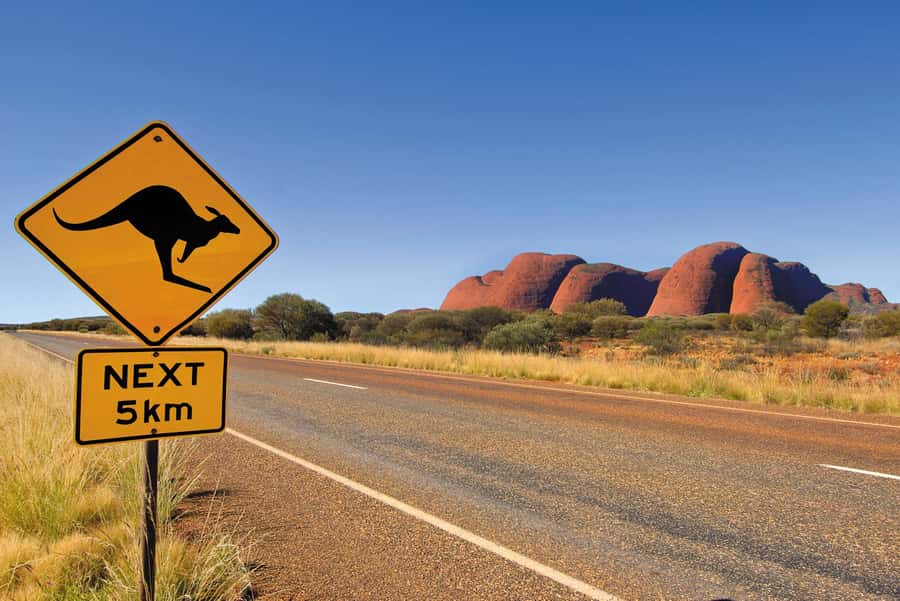
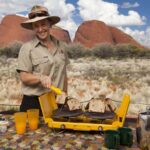
As the evening unfolds, you’ll get a light snack while the light drops and warm tones spread over the rocks. This is a classic Red Centre rhythm: the day slows down, the sky becomes the main event, and the visuals keep changing even when you think you’ve already seen the best part.
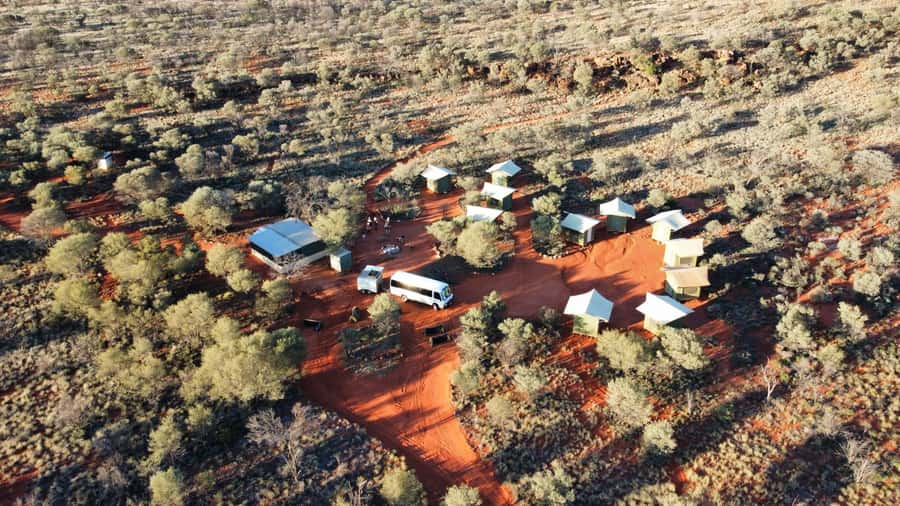
Then it’s back to camp for dinner with your group. The tour uses a powered camp with permanent safari tents, and the experience is designed to feel both social and calm. If the weather allows, you can sit outside under the stars after dinner, when the sky can go from bright to huge in minutes.
This is also where the desert makes itself known in both directions. One person’s experience showed how cold it can get in winter, including nights that felt seriously below freezing. If you’re traveling in the cooler months, pack warm layers even if you’re arriving from a warmer airport city.
Camping under the stars: comfortable enough to sleep, desert enough to remember
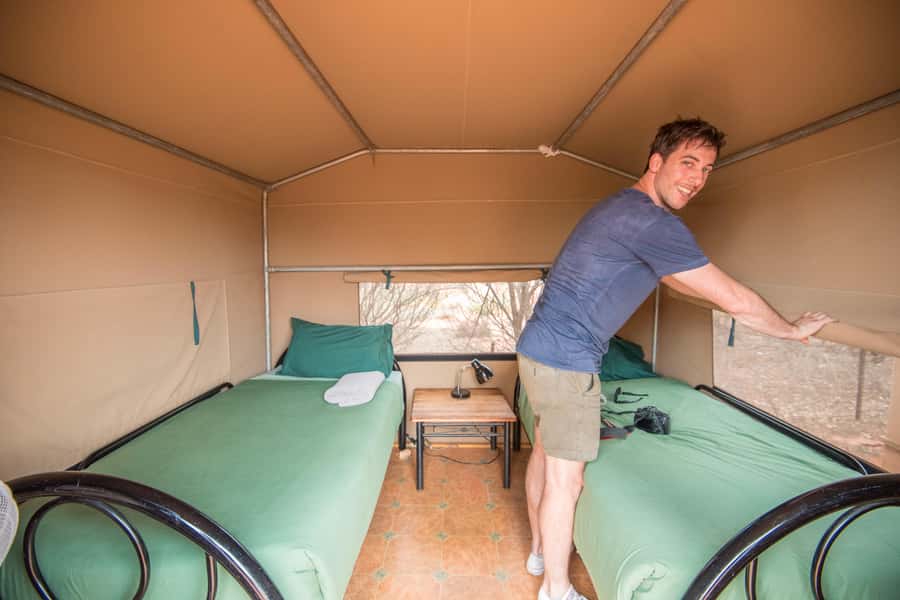
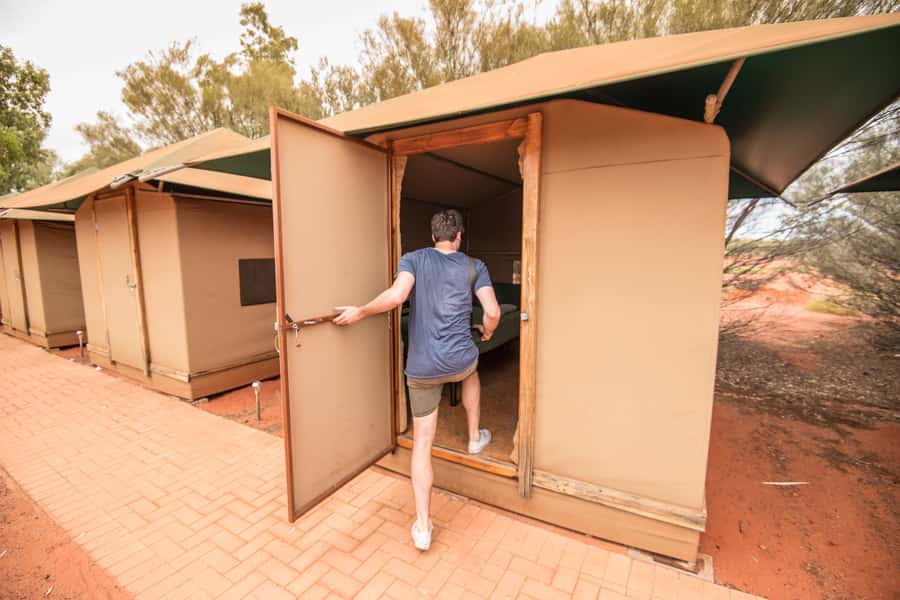
The sleeping setup is part of the value. You get a one-night stay in a twin-share permanent safari tent with proper beds, linen, a pillow, a towel, light, and a fan. That means you’re not dealing with the usual camping bargain-basement feel.
You still need to plan like a camper, though. Bring a torch for your own comfort, and plan for limited power at camp. A power bank is specifically recommended so you can keep your phone going for photos and navigation without stress.
Insects are another real factor. The desert can be annoyingly busy with flies, so come prepared with insect repellent and something to manage bites and buzzing. It’s a good idea to actually use any fly-mesh help provided, and if your guide talks about insect protection during the briefing, treat it as serious, not optional.
Some people have flagged small comfort quirks in the tent experience, like noise from tent hardware. It’s not a reason to avoid the tour, but if you’re sensitive to sound, it helps to pack with that in mind.
Uluru sunrise the next morning: when the guide sets the meaning
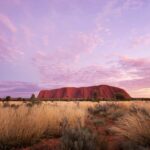
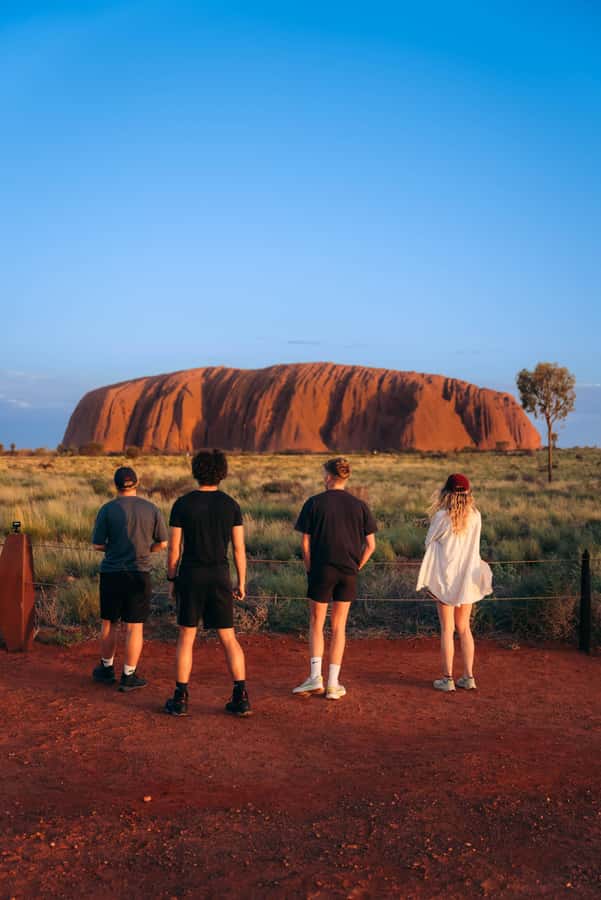
Day 2 starts early. The reward is Uluru at sunrise, when the light hits the monolith like a beacon and then spreads across the surrounding area. Early mornings are a pain only until they aren’t, and on this tour they’re built into the magic.
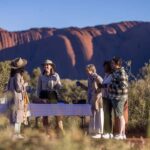
Your guide takes you to a significant cultural sight linked to Anangu knowledge, including rock art and one of the creation stories associated with the place. This is one of the highest-value parts of the tour because it gives you a frame for what you’re looking at next. Uluru isn’t just a shape in the desert once you’ve heard how people understand it.
The tour is English-speaking and the guide experience matters. One guide named Joey stood out for keeping the group upbeat and making Uluru feel understandable. You’ll likely get that mix of explanation and energy throughout the morning, even when the schedule is tight.
The full Uluru base walk: your time to see it properly
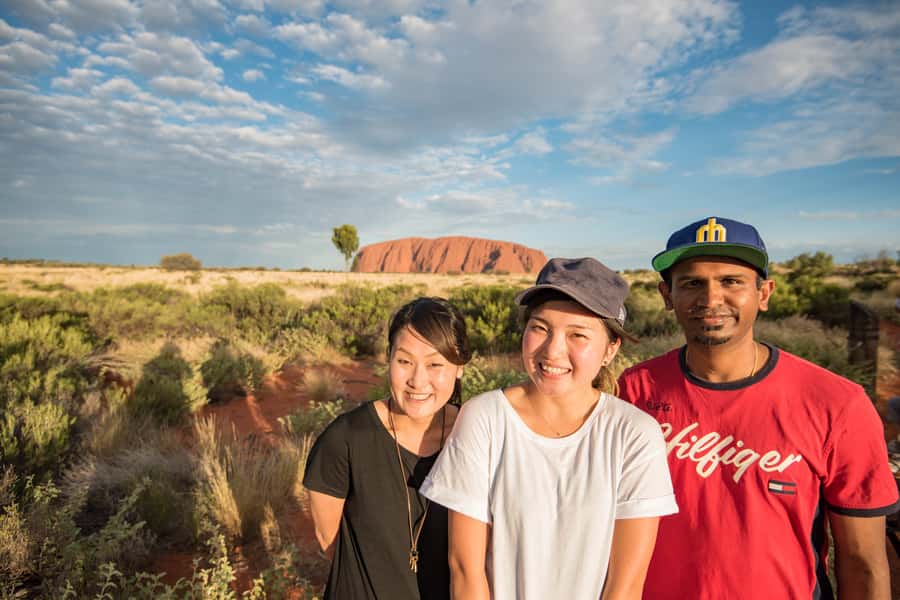
After the cultural stop, you get time for a self-guided full base walk of Uluru. This is where the tour changes from guided storytelling to your own pace, your own photos, and your own sense of distance and direction.
Because it’s self-guided, you’ll want to think like a planner. Wear sturdy walking shoes, keep your hat on, and use sunscreen even when you’re not in direct sun all the time. Bring your water bottle and pace yourself because the base walk is longer than many people assume from photos.
The best way to make this feel meaningful is to remember what the morning explained: the stories and symbols aren’t just trivia. When you’re walking the base, the place feels more connected, not just scenic.

Getting from hike to horizon: what “included” really means here
This tour includes the essentials that can add up fast on your own:
- National park entry
- Dinner (night 1) and breakfast (Day 2)
- Experienced English-speaking guide
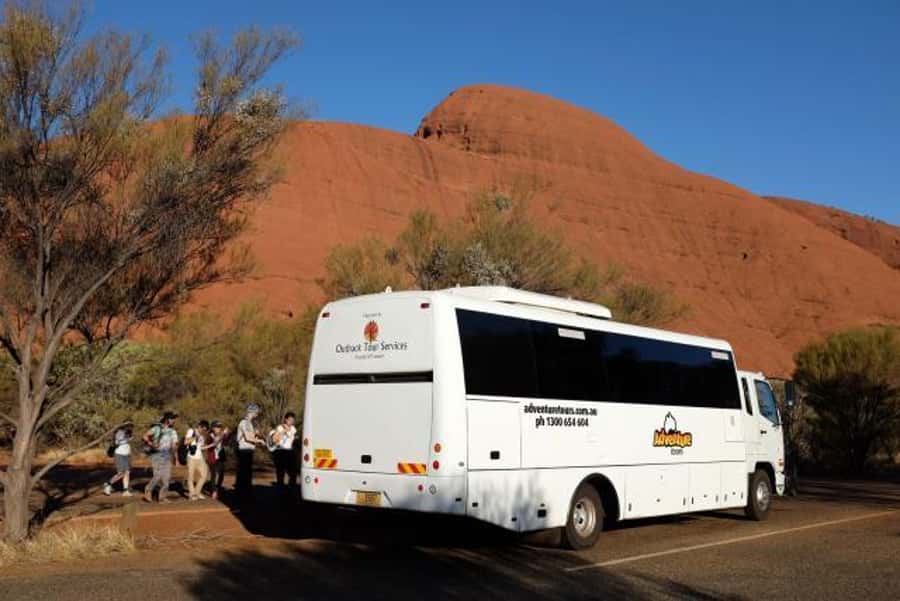
- Air-conditioned vehicle
- Accommodation in a twin-share permanent safari tent with shared facilities
That’s why the price feels more reasonable when you break it down. At $421 per person for about 36 hours, you’re not only paying for the sights. You’re paying for guide-led access, the park entry, and a camping night with actual beds and linen. It’s the difference between doing a checklist and doing a guided experience that runs on desert time.
What’s not included is also worth noting: snacks, alcohol, and any optional add-on activities. In practice, snacks can matter between the Day 1 hike and when dinner finally lands, so eat early and use the snack opportunity you’re given rather than waiting for it.
Price and value at $421: good value if you want guided context
Here’s how I’d think about value. If you’re the type who loves sunrise and sunset views, and you also want cultural storytelling, this tour pays you back in time saved. The guide handles timing, routes, and interpretation so you’re not trying to stitch everything together with multiple bookings.
If you’re fully DIY and you don’t care about guided cultural context, you might feel the price more than you like. But if Uluru’s meaning is part of why you’re going, the included guide-led stops and sunrise planning are the heart of what you’re paying for.
Packing and weather reality: the stuff that can make or break your comfort
The tour gives you a clear packing list, and you should follow it. Bring:
- Walking shoes
- Hat and sunscreen
- Toiletries
- Warm clothing in winter
- Water bottle (1.5 liters recommended)
- Torch
- Insect repellent and/or a net
- Power bank for charging (limited power at camp)
Also watch the luggage rules. Oversize luggage isn’t allowed, and you’re limited to 15 kilograms. Plan for one small to medium soft bag or backpack plus a small daypack that can stay with you and fit in the vehicle setup.
One more timing rule can affect your whole trip: don’t book flights that arrive after 1:40 pm. Pickup depends on that window, and the tour won’t wait past it. On the way back, you return to Yulara around 12:00 pm, so book your outbound flight for after 12:30 pm.
Who should book this Uluru and Kata Tjuta safari camp tour
This is a great fit if you want a guided, overnight experience that covers the big Red Centre moments without forcing you into constant driving. You’ll likely enjoy it most if:
- You like sunrise and sunset photography
- You’re okay with walking and early starts
- You want Anangu rock art and creation stories explained by a guide
- You want camping that’s still comfortable enough to sleep
It’s not a match if you need mobility support or if you’re traveling with children under 8. The hikes and walking pace are part of the deal.
Should you book it?
Book this tour if you want Uluru and Kata Tjuta in one tight package, with sunrise done right and cultural context included. The camp setup is more comfortable than typical camping, and the mix of guided and self-guided time gives you both structure and freedom.
Skip it only if you know you can’t handle cold desert nights, or you hate walking for extended periods. If that’s you, you might still love the views, but this format will feel like too much effort.
FAQ
How long is the Uluru and Kata Tjuta safari camping tour?
It runs for about 36 hours, starting with afternoon pickup and ending with return to Yulara around 12:00 pm on the second day.
What time should I plan my flight for on the first day?
Pickup is based on arrival timing. If your flight arrives before 1:00 pm, you’ll meet your guide at 1:45 pm at Desert Gardens Hotel (or 1:40 pm for Outback Pioneer). If your flight arrives between 1:00 pm and 1:40 pm, you meet the guide at 2:00 pm at Ayers Rock Airport.
What’s included in the tour price?
The price includes an experienced guide, national park entry, dinner on night one, breakfast the next day, an air-conditioned vehicle, and one night in a twin-share permanent safari tent with shared facilities.
Are snacks and alcohol included?
Snacks are not included, and alcohol is not included. Any optional add-on activities are also not included.
What type of accommodation will I have?
You stay one night in a twin-share permanent safari tent. The tents include proper beds, linen, pillow, and towel, plus light and a fan. Facilities are shared.
Is there a luggage limit?
Yes. A strict 15 kg limit applies, and oversize luggage isn’t allowed. You should plan for one small to medium soft bag or backpack plus a small daypack.
Is the tour suitable for young children or mobility needs?
It’s not suitable for children under 8 and it’s not suitable for people with mobility impairments.